Tag: southern gardens

  • The Glorious Red Poppy

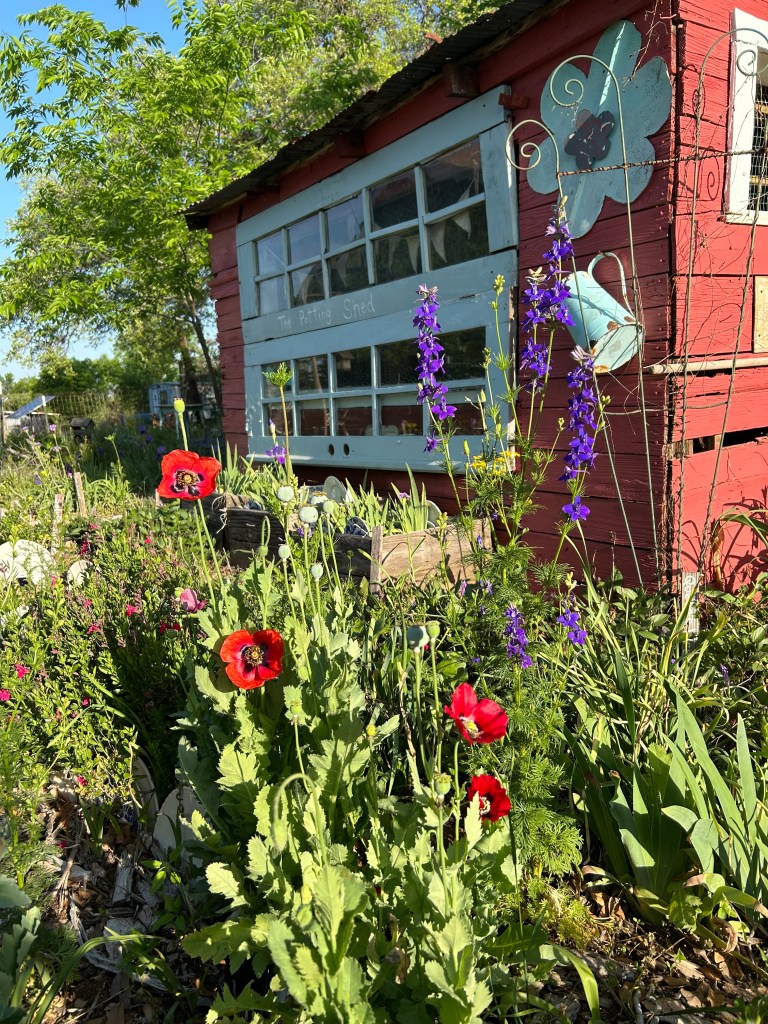
    First, I’d like to say that a Spring without poppies is like a chocolate milkshake without the chocolate. Or even worse, decaf coffee. It just isn’t right. Spring is a time of renewal and healing. The red poppy is known as the “flower of remembrance”. Spring and red poppies go together like birds of a feather. Peas and carrots. I simply can’t imagine Springtime without my cherished red poppies.
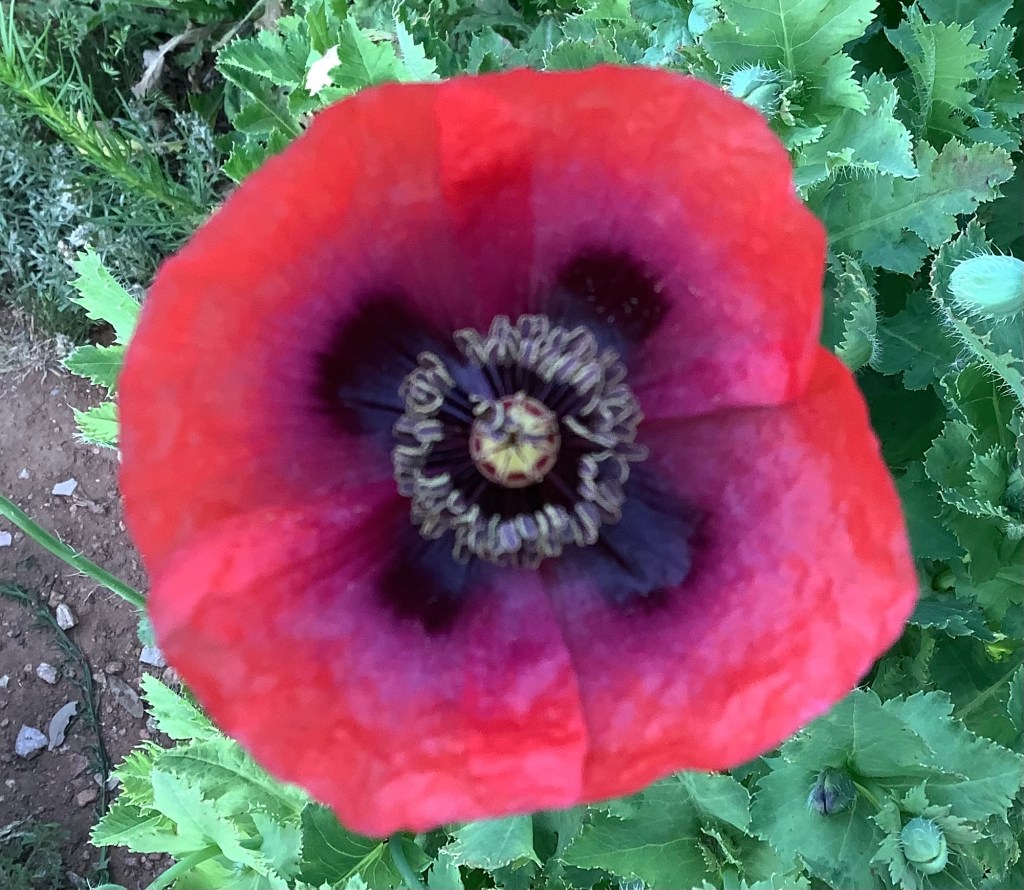
    Red Poppies have grown in my garden since I first started my own gardens. My Dad didn’t grow poppies in Montana, so my love affair with poppies came about through gardening books about cottage style gardens (which, by the way, is like eye candy). I obtained my first packet of seeds from a former violin student’s parent in Dallas. She was German and had a very wild and free-range cottage garden. The cottage gardens were the envy of my heart. I loved the wild yarrow, eye-popping shades of poppies and larkspur and herbs all growing alongside her antique roses. I felt like I had stepped into a fairytale culture, somewhere *not* obsessed with the neat and tidy, extremely boring green lawn of our modern society. I was given my first start of red poppies and I’ve cherished them ever since.
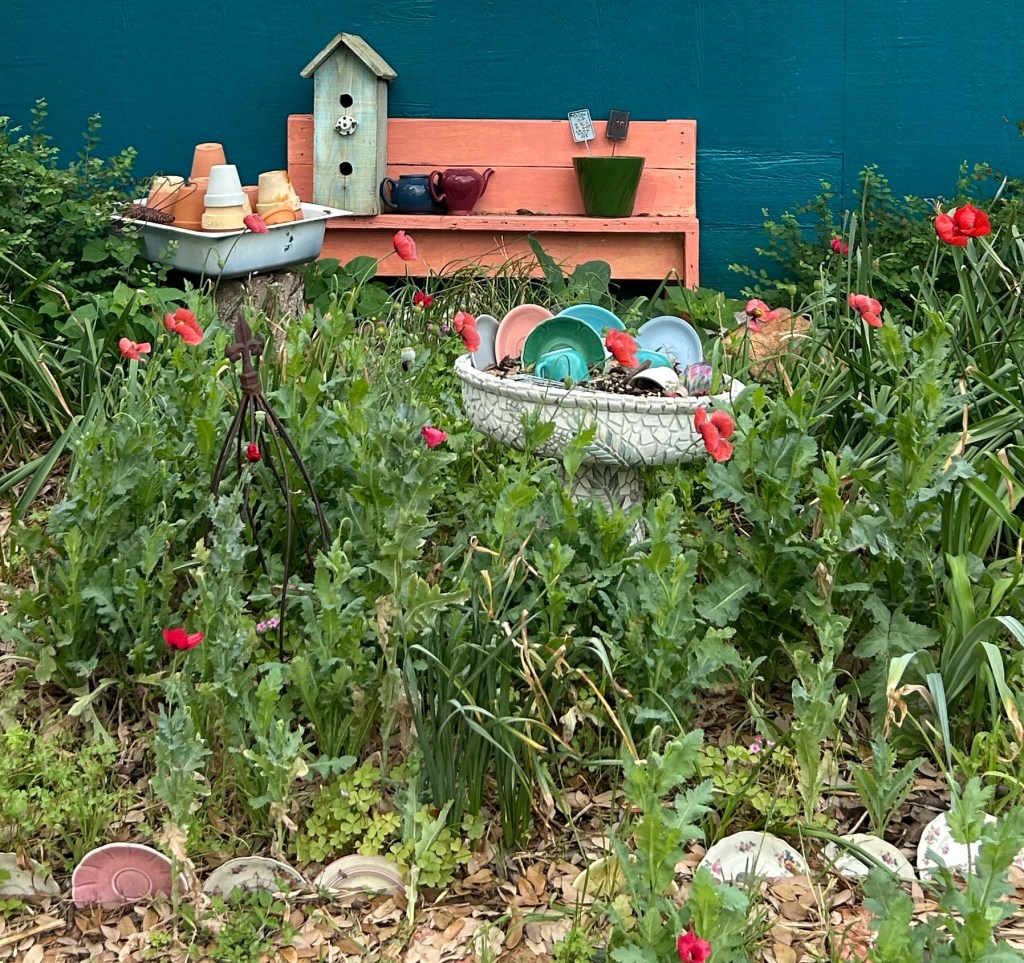
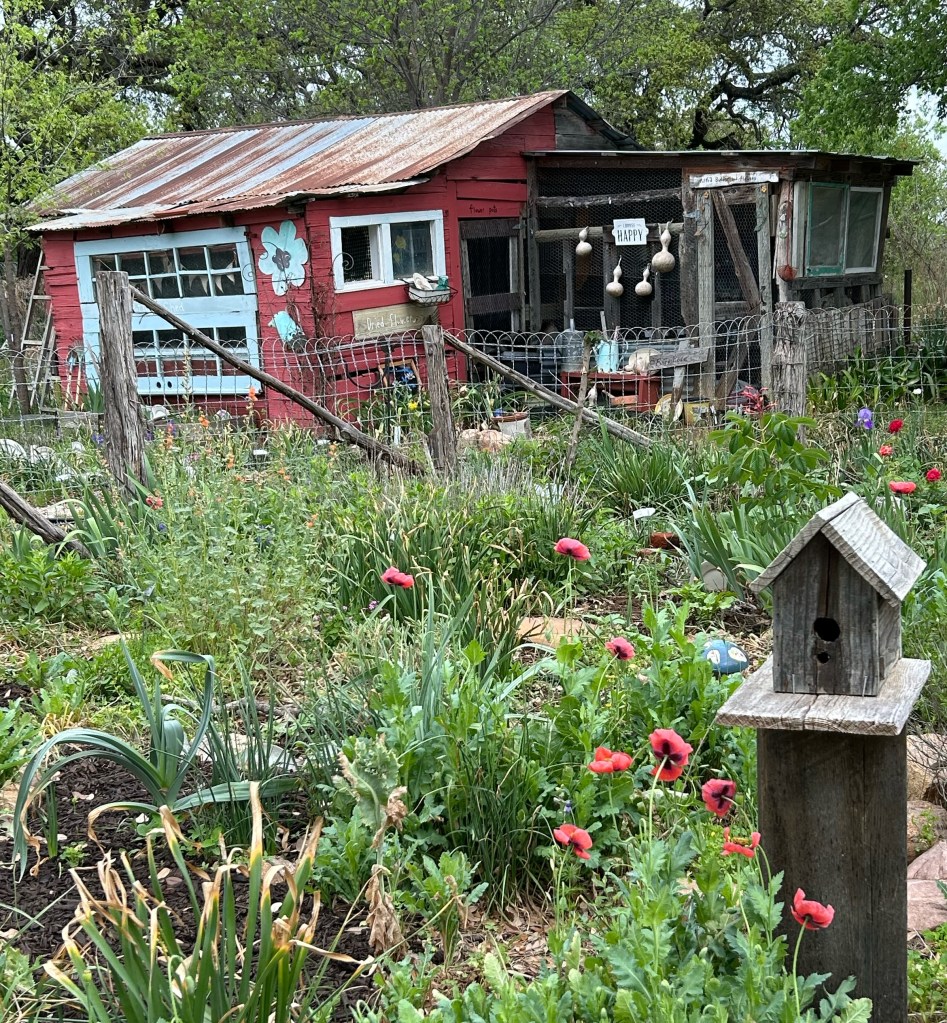
    One thing to know about poppies, is that poppies like to ramble. There is no stopping the scattering of seeds once the poppy heads open up. Last year, my goal was to move the poppies into the wildflower area. I wanted to allow the front gardens to showcase the Spring bulbs. I worked hard at gently cutting the poppy heads, collecting and saving the seeds to scatter during Fall. For all you mathematically brilliant readers out there, guess how many poppies actually came up with all those great intentions?

    None.

    Not one single poppy.


    That’s right. Not one intentionally sown seed of a poppy came up in my wildflower zone. Instead, my poppies just kept growing and blooming in their favorite spots in my front flower beds. It is almost as if poppy seeds know where they grow best…
    Screenshot

    This year, poppies have been very slow to emerge, as were all the wildflowers. It’s been a season of little to no rain. Without the rain in the Fall and Winter, our wildflowers can’t develop for the Spring bloom. Poppies naturally reseed in late Springtime, but I’ve heard Fall is best. I don’t plow up the field or rake my wildflowers in. I figure if nature doesn’t do it, I’m not going to do it either. I try to make sure invasive weeds are out of the wildflower zone so the little seedlings won’t get choked out. I also water the little seedlings in. Lack of water might actually have been the issue with my wildflower zone.
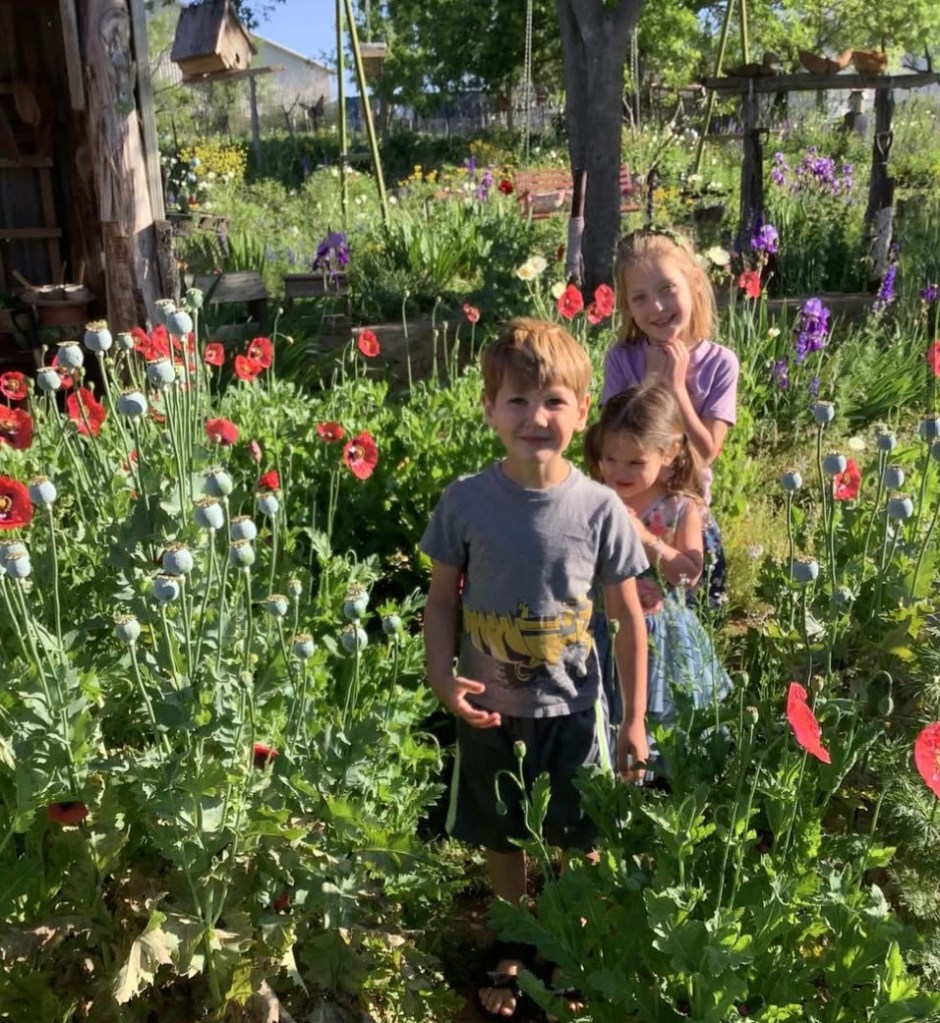
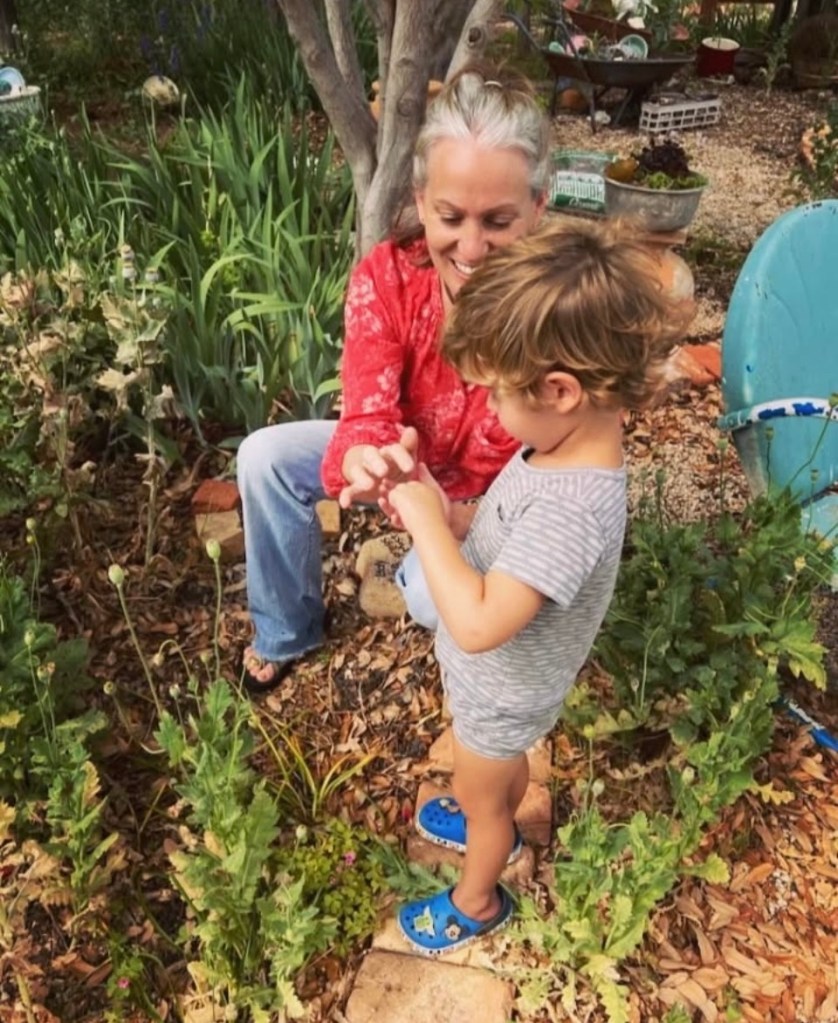
    One of my favorite Springtime activities is to show children the magical little process of poppy seed collecting. It is so thrilling for children to watch hundreds of seeds come out of a single poppyhead.
    Screenshot

    This year, I plan on spreading wildflower love throughout my little town. I’m currently reading A Natural History of Empty Lots (riveting, I know). I have always enjoyed the idea of sowing seeds in empty places, much like in the beautiful children’s book Miss Rumphius. I’m excited for days to come so I can naturally decorate the empty lots around town.

    Happy Gardening, my friends!
  • Heirloom Crinum Seeds

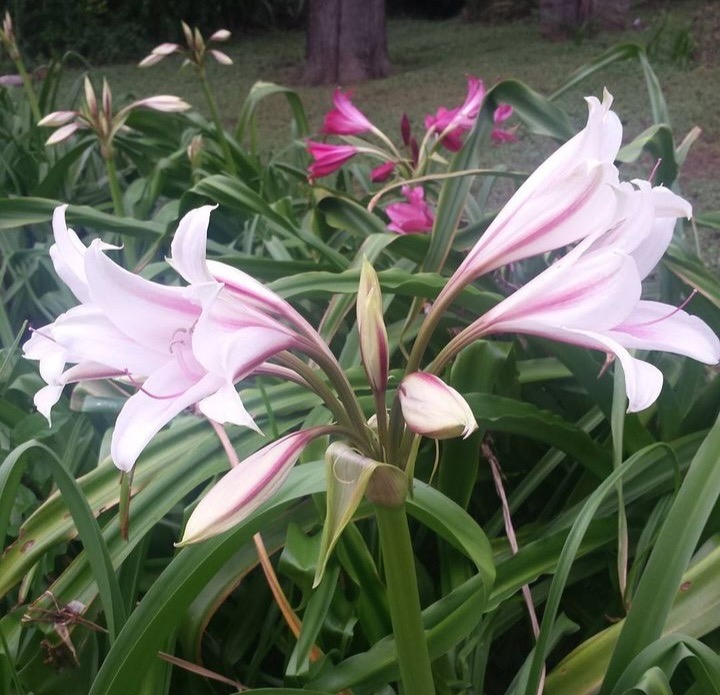
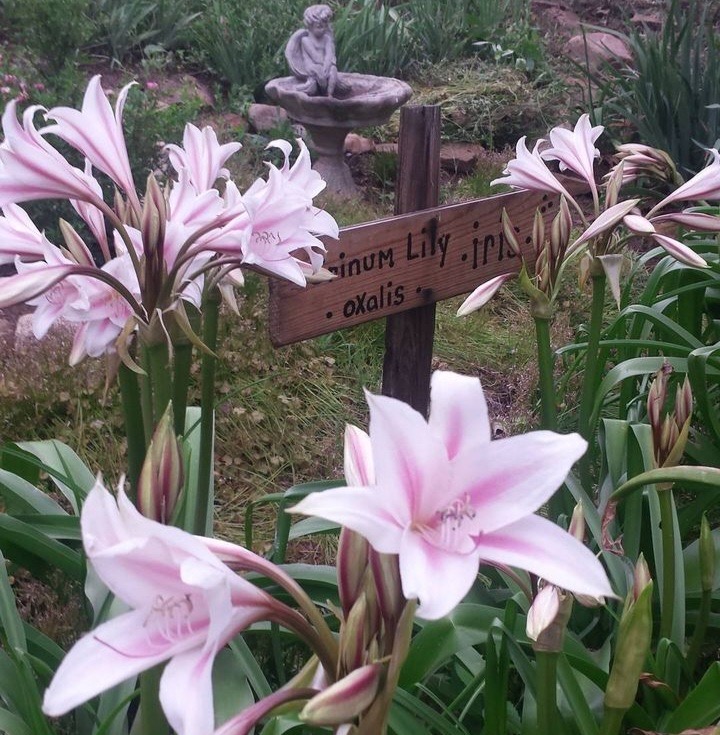
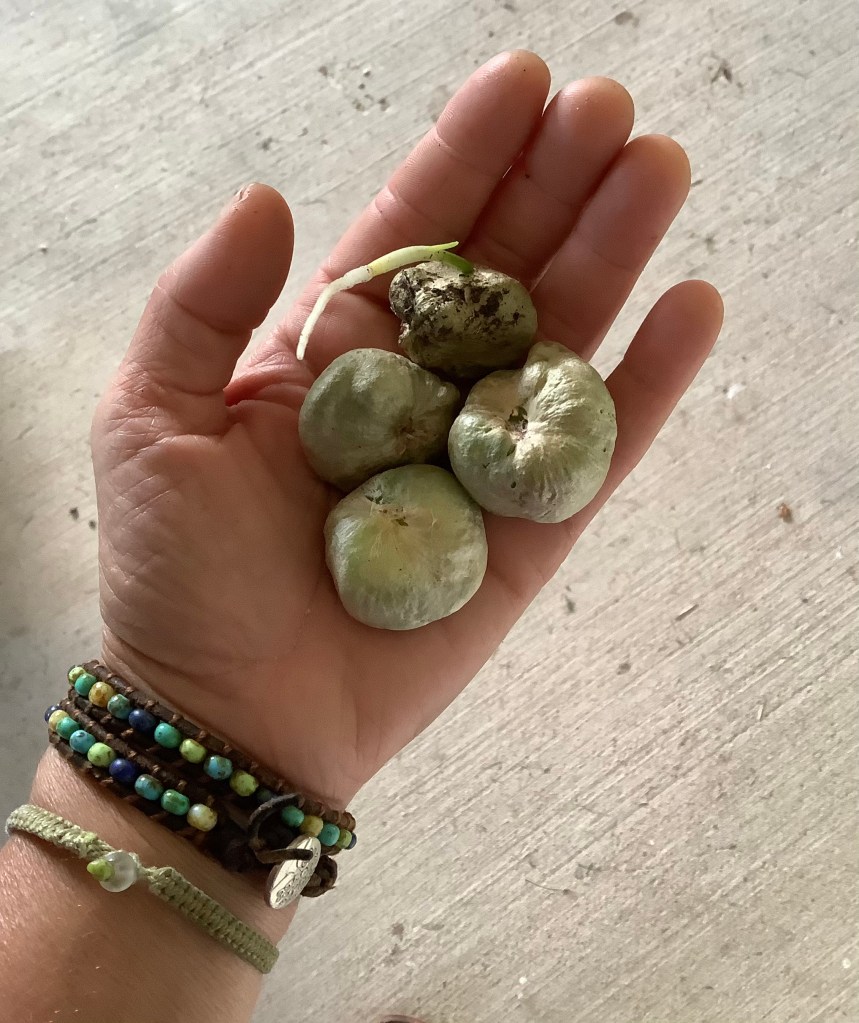
    You know what they all say…the older the Crinum, the bigger the Crinum seed pod. Actually, no one says that. But after today’s find, I think we should all say it together. I mean, honestly, just look at how large those seeds are! When an old Crinum clump comes a calling (but you’re in a dress for your daughter’s graduation from A&M) all you can do is collect the seeds. In this case, a whole bag full of baby Crinum seeds.


    Crinum seeds are incredibly cool and a great summer project for kids. The Crinum flower grows into a seed pod when conditions are right, and will eventually fall to the ground and break open. The seed will form a sprout above ground, only to reverse the growth to form a bulb under the ground. The original seed will eventually transfer all of it’s nutrients to the new baby bulb. Nature is so fascinating! This process takes a season of very slow growth, but in a few years (and decades) the Crinum seeds will eventually grow to be one of the largest of all flower bulbs. Once established, Crinum will provide years of flowers and new baby Crinum seeds to start the process all over again.

    Crinum bulbs are also worth digging, if you don’t mind breaking a shovel or two. My son, my nephew and I got up this morning and dug at the former old hunting cabin. There are still a few remnants left after the cabin had been bulldozed down. It doesn’t matter how times I dig after a teardown, I am always saddened to think that once upon a time, a cherished garden had been deeply loved by its gardener. I salvage flower bulbs for future generations of gardeners who enjoy a special link to the past.
    I’m happy to report that my son was able to get under some brush and dig out 4 large bulbs, all while avoiding Poison Ivy….something to definitely celebrate. Heirloom Bulbs will sometimes “sulk” when moved. Don’t ever be disheartened if the bulbs don’t bloom the first year. I suppose I’d sulk too if I had lived somewhere for 75 years and have my house torn down. After the shock of moving, bulbs will settle into their new garden, put forth flowers of thanksgiving and thrive happily. It is important to keep the roots from completely drying out. For this reason, I send my bulbs off in style….moist newspaper and a nice tonic of vermiculture (worm castings). The pictures below are all Milk and Wine Hunting Cabin Crinum that had been moved years ago. The lone pink ranger was a gift from my Mother-in-Law’s friend. These beauties bloom faithfully every year.

    If you would like some seeds to start an old Crinum, email me at heirloombulbgirl@gmail.com. Id be happy to share the bounty with you. There’s something very special about having a flower that dates back to the turn of the century….we all need strong roots in this day and age.

    Happy Gardening, my friends!
    Love, Keenan @heirloombulbgirl

  • The Many Seasons of the Texas Gardener

    Feast or Famine.
    That’s what life is like in a Texas garden. One day, it can be 115 degrees with every plant in the garden sadly drooping, on the verge of death. The very next day, a delightful rain replenishes the parched earth and fills the garden with hope. Gardeners in Texas need to be tough, and so do their gardens. I can’t tell you how many times I threaten to throw in the shovel, and then….just like that, the weather changes (so does my attitude).

    Seasons in Texas are minimal….we have Summer.
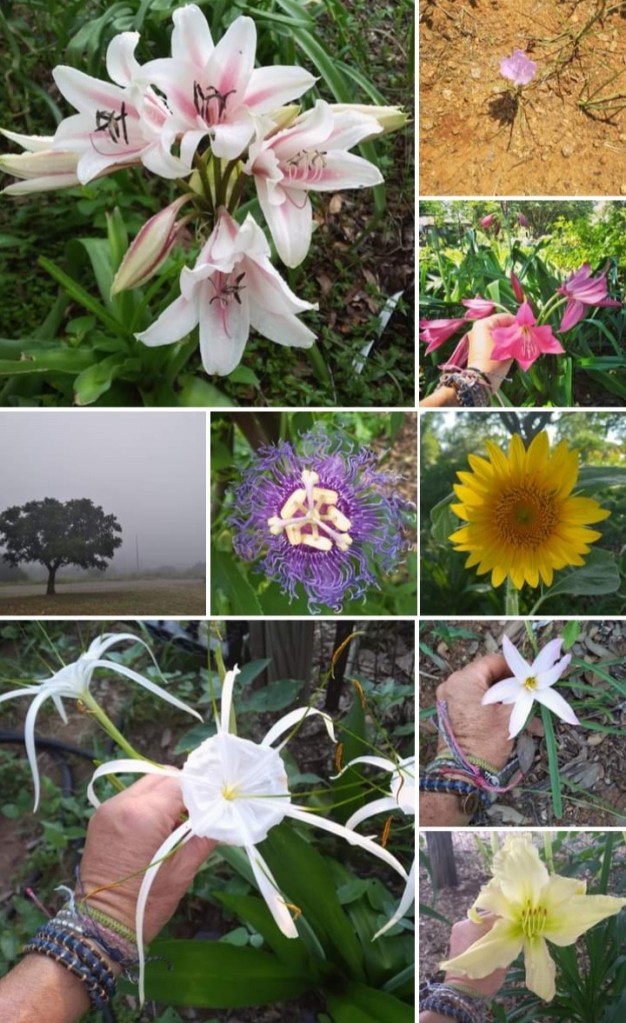
    Light Summer, Heavy Summer and every other variety of Summer you can possibly imagine. Occasionally, we have a quick change of seasons, but if you blink, you might miss the change. Instead of moaning and groaning over the lack of seasonal change, I began associating seasons with the blooms of Heirloom Bulbs. My Texas Seasons have become Oxblood Lily Season, Crinum Season, Rain Lily Season, Paperwhite Season….well, you get the drift. 

    Flower Bulbs are truly a gift to the Texas Gardener. Bulbs rest quietly under the earth, sleeping peacefully through extreme weather conditions. I’m always surprised by the Fall showing of Oxbloods and Spider Lilies after a brutal summer. I honestly don’t even know how the bulbs survive, but somehow they do. I tend to be a garden “naturalist”, so I like to invest in Native Plants and Heirloom Bulbs that are proven winners. Over the years, I’ve wasted way too much money on forcing flowers to grow in wrong zones, just because of garden nostalgia. As much as I love Dutch Tulips, they simply won’t come back in Texas. Lucky for you, Lady Tulips will naturalize in our area so if you are desperate to plant Tulips, there ya go!

    Seasons change….not so much in Southern Gardens like Texas. Invest your time and energy into plants and flower bulbs that will bring a smile to your face and joy to your gardening heart. Seasons don’t have to be minimal and boring. Just ask any bulb enthusiast. 🙂

    Happy Gardening, my friends!
    Love, Keenan at Heirloombulbgirl


  • Spiderwort on the Move

    Spiderwort. Perhaps, the ugliest name in all the garden. I love to hear people pronounce it for the first time….

    “Spider-what? Spider-WART??”

    For such an incredibly beautiful flower, the name truly leaves something to be desired.

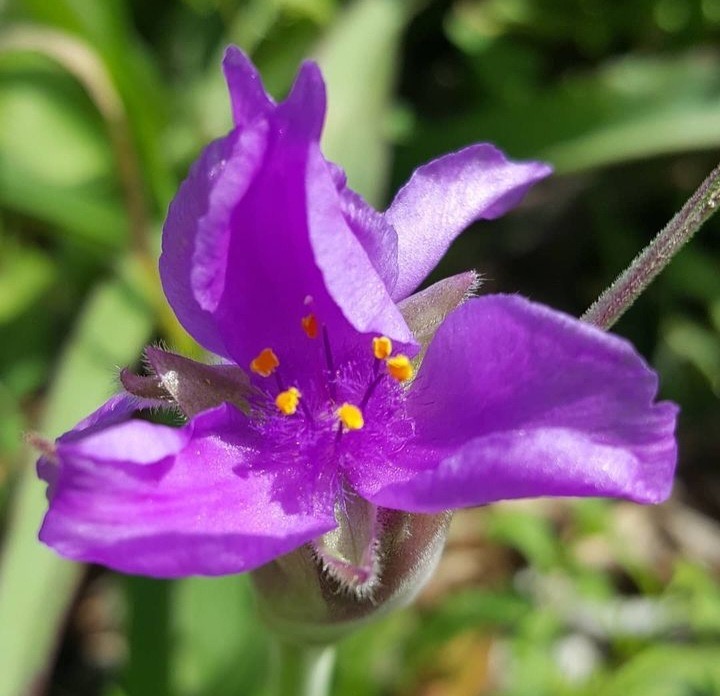
    Spiderwort is a member of the Dayflower family. The flowers bloom in the morning and diminish in the afternoon. The plant can actually produce new flowers up to 8 weeks. I typically cut the stalks with spent flowers down, to encourage new flower growth. Spiderwort has fleshy roots that resemble that of a Day Lily. When the stalks are cut, a web-like sap is secreted…hence the name Spiderwort.

    Spiderwort are one of the earliest of flowers to bloom in the Spring, mimicking a bulb. In fact, it’s one of my favorite non-bulb bulbs. Spiderwort is not a bulb, but behaves just like a bulb so I give it an honorary mention in my garden.
    Spiderwort come in all sizes, with colors of pastel Easter Eggs. I’ve been collecting Spiderwort for years from various fields. One particular field where Spiderwort grew wild was behind our old house. I collected just about every color in the rainbow.

    Yesterday, I started relocating these lovely clumps to the barren landscapes of yuk. The greatest part of Spiderwort is that they grow anywhere and everywhere. I’ve seen them grow in asphalt and cracks of cement. Spiderwort will go dormant in the heat of the summer, to give way for flowering annuals like Zinnia or Cosmos. The foliage just started to appear a few weeks ago, and I’m moving a bunch around a young Mesquite Tree that my violin student gave me.

    Division of Spiderwort is unnecessary, unless you just more things to do in the garden. Simply pull the roots apart. Bingo….A new plant. But be advised that Spiderwort drops many seeds and you will have unwanted lovely flowers all through your garden. Simply dig and give away to friends. Every garden needs a plant with a name that children laugh at. I have some to share if you are interested.

    Happy Gardening, my friends.

    Love, Keenan at Heirloombulbgirl