Tag: plants

  • Gardening Super Truth

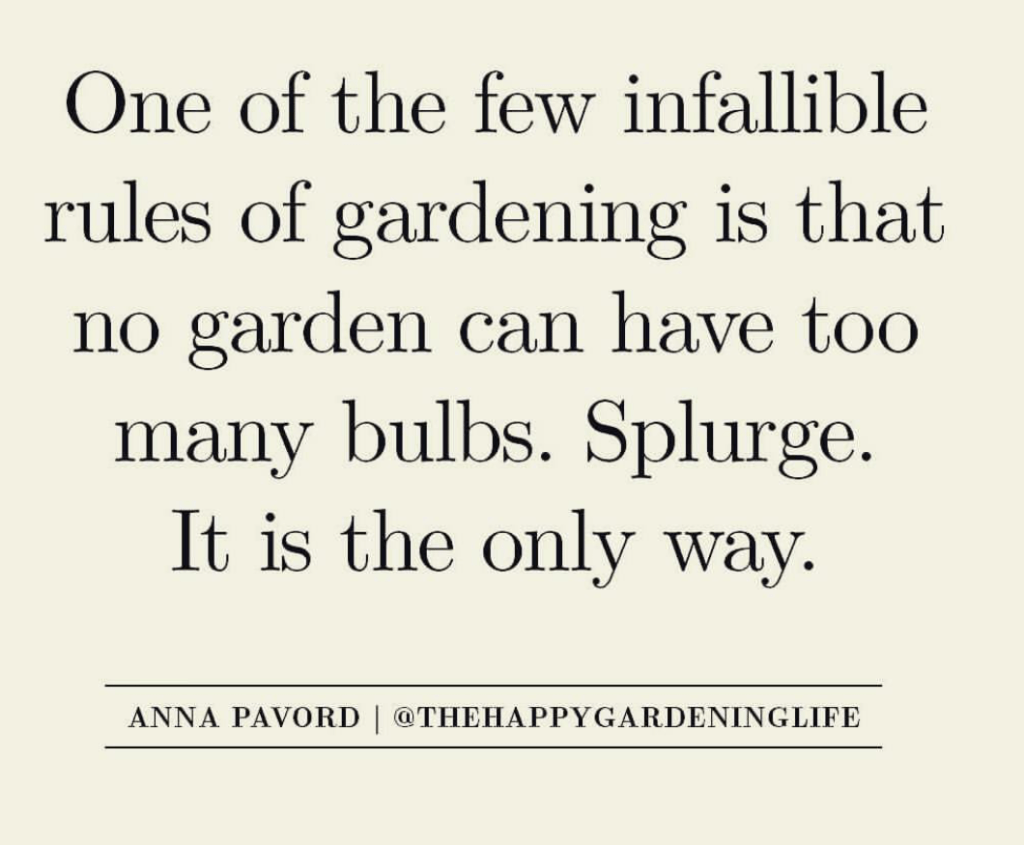
    There’s truth, and then there’s super truth. I prefer gardening super truths. Take, for instance, the super truth of the invasive Bermuda Grass, which contain root systems that grow straight down to hell. Or perhaps the super truth of trying to plant a peony in the full, blazing-hot summer heat during a Texas drought. Not gonna happen….Super truth. No arguing around the truth….it is what it is. It’s kinda like getting attacked by the “flower bulb bug” in your early 20’s and never recovering. There has never been a truer statement uttered out of my mouth, except for maybe “I do” spoken at the church 30 years ago. These super truths are ever present in my garden, but squishing in more flower bulbs into an already packed space is definitely a habitual ritual that borderlines a mental illness. Seeing garden space when there is none, and then thinking to yourself “If I only had a _________ and more_________, then the gardens would finally look perfect!” There’s no arguing with the ridiculous notice that “just one bulb” is needed to fulfill the space, because tomorrow another beautiful bulb will come along that I just *have to* have.

    This morning, after posting this funny meme about bulbs, I received a lovely email from a gardening friend who had been recently diagnosed with stage 4 cancer. Last year, her family surprised her with 450 bulbs from the “Bulb to Bloom” bulb sale to help create a legacy garden. My friend knows that Heirloom Bulbs are in it for the long haul, and that in itself is another gardening super truth. Long after the gardener says goodbye to their gardens, Heirloom Bulbs remain beautiful reminders of what was “once upon a time”. My friend has poured herself into the garden, squishing in as many bulbs as the garden can handle. The idea of “No garden can have enough flower bulbs” resonated with her as she continues to plant and spread inspiration to everyone around her. The truth is that she has created quite an incredible garden story for others to enjoy. Life isn’t easy, but it’s nice to keep our mind focused on the beauty of tomorrow instead of the hardships of today. Her bulb gardens exemplify hope in action. I even have some of her Heirloom Bulbs that I purchased at the bulb sale. If I was smarter, I would’ve put 2+2 together and realized that she was the same flower friend through email, but I’m not that smart (super truth) so I missed my chance to meet her in person. I plan to go to the bulb sale again next year just so I can meet such a beautiful gardening soul….and buy more flower bulbs. There’s always room for just one more bulb.

    If you have never been to the Smith County Master Gardeners Bulb to Bloom sale, it is definitely worth the drive to Tyler, Texas. The sale is typically in October. My family and I went 20 years ago for the very first time, when old gardeners still raced each other and literally RAN to get the bulbs. Something out of a gardening Twilight Zone. Definitely a blog for another day! They now have an on-line sale the week prior so no one’s pride gets hurt. There *might* even have a few items left after I buy every bulb in sight. Ha! 🙂 The sale is for a worthy cause and a great way to splurge for your garden’s sake. Remember to splurge….it’s the only way.

    Happy Gardening, my friends!
  • Hollie’s Crinum Baby Bulbs

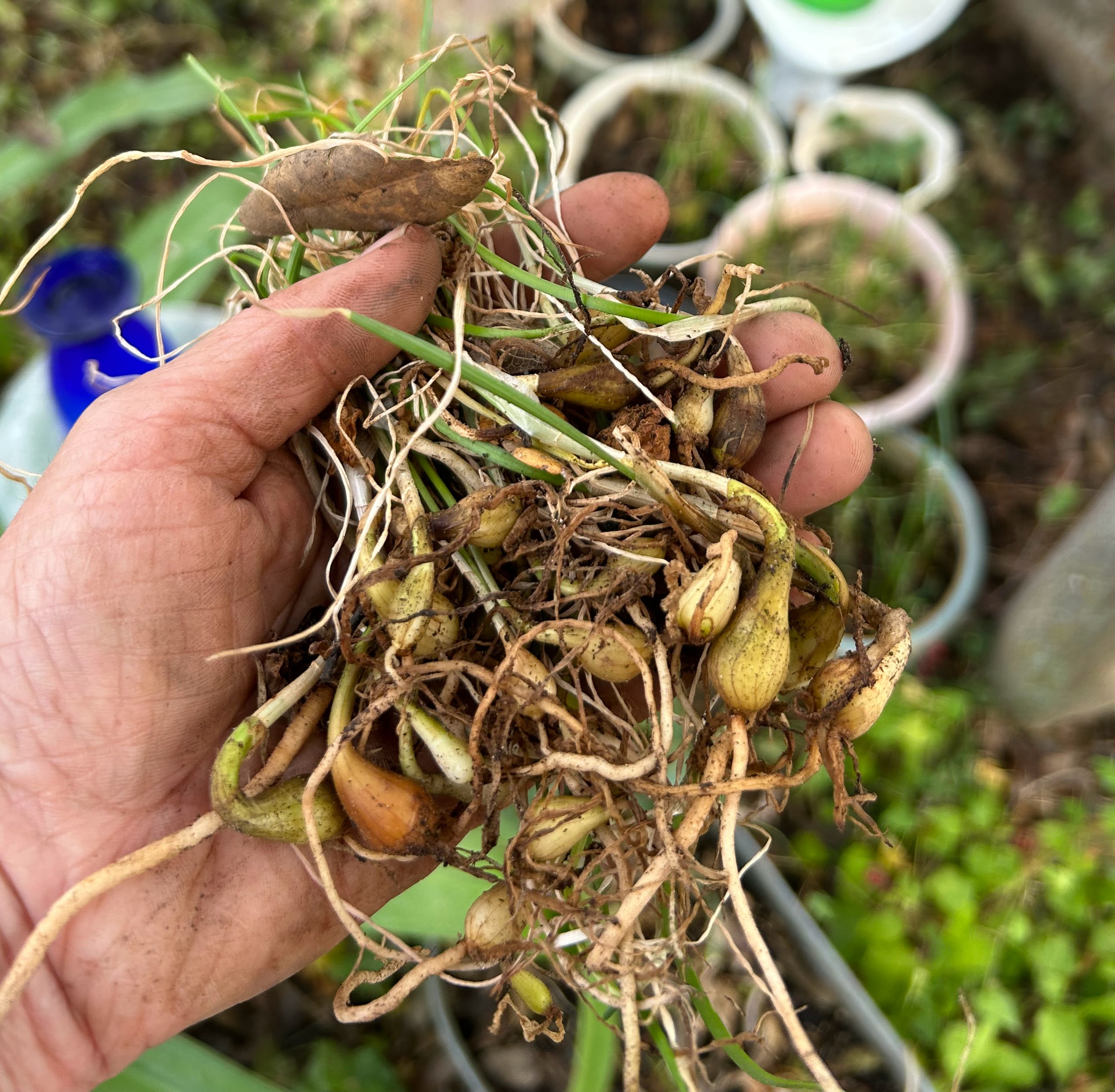
    A few months ago, I collected a bunch of Crinum seed pods at my daughter Hollie’s graduation from Texas A&M. When I say “a bunch”, what I really mean is that my cup runneth over and flooded the potting shed. I honestly didn’t know just how many I had until it was time to start the growing process. This weekend, I finally got most of them planted. I’ve had a few gardeners reach out lately regarding the blog post with free Crinum seed pods, and wanted to give you a quick update.

    As you might know, growing bulbs from seed is not for the faint of heart. Remember the fruits of the Spirit you learned about in Sunday School way back when? “Patience”, “Hope” and “Longsuffering”? Yep….Those fruits are put to the test when starting those little seedpods. Here is a small glimpse into the process of growing Crinum from seed pod (the average gardener’s way)….

    First, you must pick the right amount of soil, light and water. Then wait.
    And wait.
    And wait.
    And then wait some more.

    Finally, after you accidentally forget about the seed pods, they decide to sprout. You get mad at yourself because some of the cute little pods dried up and died. You do a quick scientific analysis of the problem. Probably too much water, but actually not enough water. Along with too much sunlight and not enough sunlight at the same time. You feel much better knowing that you still maintain the “average gardener” status, and didn’t sink down into the level of “killing-everything-in-sight gardener” (that status is reserved for your houseplants, which are on a day by day life expectancy).
    You quickly give the surviving seedpods a blast of water and then go about your week until you accidentally forget about them again.

    Please tell me I’m not the only absent-minded gardener.

    Anyhow, this dead-almost-dead drudgery carried on throughout the summer. Luckily, Heirloom Bulbs (even as seedpod babies) are way smarter than I am. Heirloom Bulbs are survivors, so about 400 plus little Crinum babies survived my ineptness. I am happy to report that I have planted about 25% of the bulbs in pots. Then I got impatient and planted the rest in an empty veggie garden raised bed. I still have about 25-50 little bulbs left if anyone out there wants some. The good news for you is that I’ve already mentally muscled through the hard part of seedpod planting, so all you need to do is stick them in the soil. 🙂

    The greenery will freeze in the Winter and bulbs in the pots will freeze too. Keep your infants inside and keep them growing. The bulbs grow quickly and in a few years, they might even get to be of blooming size. Remember, Heirloom Bulbs will survive your Grandchildren’s Grandchildren. These bulbs are in it for the long haul. To me, it is glorious to have these old gals take root and share their blooms year after year. Email heirloombulbgirl@gmail.com if you’d like your own little Crinum.

    Happy Gardening, my friends!

  • Finding the Balance

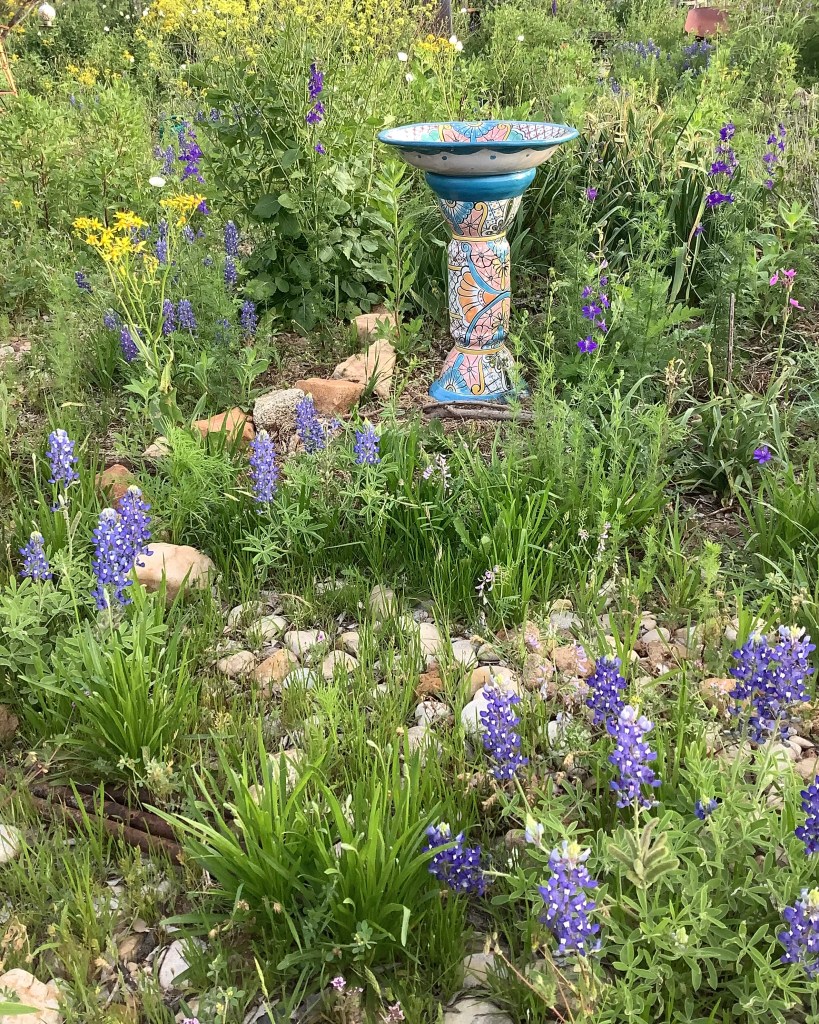
    There is a fine line between “going natural” with native plants, and the complete and utter gardening chaos that consumes everything in its path (including cool garden art and small children). My gardens usually tip-toe close to the line of chaos, but this particular year, the balance had to be reestablished. The local natives were abundantly fruitful with all the beautiful rain. The studio grounds have been lost in a sea of Tie Vine and Widow’s Tears. Although the bees were pleased in the overwhelming native landscape, I had to find some sense of balance in the garden. Too much of a good thing becomes borderline toxic….so I set out with my dull scissors and bucket to thin out the natives.

    Balance is a word used a lot in our society. “Find the Balance” can be heard in every realm of life. Balance between work and play, healthy eating habits and a delicious three-layered coconut cake, good parenting and self-focused alone time, screen time and naturally unplugged time….you get my drift. The need for balance is in every aspect of life. Our modern society is not just walking the fine line between balance and chaos, it is grossly out of balance. It’s easy to feel like a little Crinum bulb that has been engulfed and suffocated by the overrun vines. How do we find a healthy balance when everything around us is trying to choke out the beauty we are trying to create?

    The first thing to remember is that too much of a good thing is not a good thing. If you have a plant, person, place or thing that has consumed every area of your life or garden, it needs some space. The problem with a lot of natives is that they are designed by nature to thrive, whether by seed production, tap roots or natural vigor, natives thrive against all odds. Native plants are great, until you can’t see your garden any longer. My secret weapon in the garden is a pair of gardening scissors. I am basically a female version of Edward-Scissorhands, cutting natives and invasive vines off at ground level. The Texas Tie Vine, for instance, is a charming vine with pink flowers and heart-shaped leaves that cannot be simply pulled up….the taproot is somewhere three block as away. Pulling the vine up sends plant hormones to reproduce TWICE the vine….No joke! Where’s the balance in that?? If left unchecked, the cute little vine will consume your entire block, children, husband and pets included! Balance is being able to enjoy the lovely pink flower in random spots without allowing the vine to ruin your entire life. I continually look for places being overrun and I continue to cut throughout the season. I also *try* to keep the space around specimen plants or bulbs sacred. Native ground covers and plants like Widow’s Tear can steal nutrients from your prized plants and drop a lot of seeds. A good healthy haircut, I mean plant-cut, is good for everything in the garden.

    Another way to create a healthy balance in the garden is to recognize native plants as healthy or toxic. There are beautIful things in life that can actually be harmful to our personal health or our garden. Take, for instance, the dreaded Poison Ivy Vine. The berries are so cute! The growth habits of the vine are delightful, until it’s not. Getting rid of Poison Ivy is also interesting, but that is an entirely different blog. Red wasps are another toxic garden pest. Organic gardeners try to find the positives in all species. I tried to coincide peacefully with the wasp until they ran off the bees from my old bee tree. Not cool. I eradicated the wasp population (I have no apologies either) and my bees happily returned! Protecting the good species from overwhelming troublesome species is much like sheltering a child from the darkness of the world. Yes, it exists, but our energy needs to be put towards raising up goodness, both in ourselves and in our gardens. Even well-meaning pollinators like the Cow Pen Daisy need to be kept in check, before the 3,978,645 seeds each plant drops overruns your delightful Rain Lily bed.

    Finding balance isn’t a “One and Done” activity. Balance is something to seek out daily. Politicians, Social Media and Bermuda Grass will never be completely eradicated from life, so it is best to create healthy space and balance. Don’t get overwhelmed with a job that is never fully completed. Every day is a new and glorious day. Choose the space that you are in, the people you are around, and the plants you have in your garden that bring you the most joy. Don’t get overwhelmed by invasive vines. Simply cut them off at the pass before they get out of control. Keep toxic plants (and people) at bay, and nurture the good things that are all around you in this fabulous garden called life. Balance yourself, and the beautiful things that the Lord has in store for you can grow and begin to be noticed. And next time you gaze upon the garden patch that you just weeded, enjoy that fleeting moment of perfect gardening balance fully….but always keep a pair of scissors in your back pocket just in case. 🙂

    “Take My yoke upon you. My burden is light.” -Matthew 11:30

    Happy Gardening, my friends!
    Love, Keenan @heirloombulbgirl

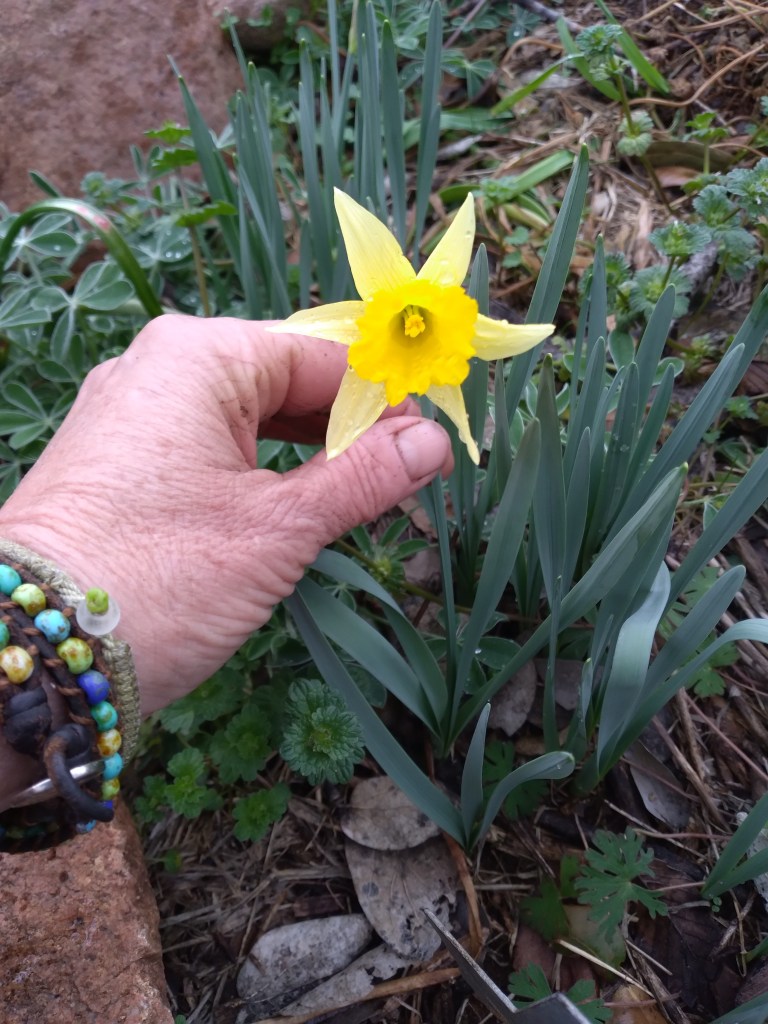
  • The First Daffodil of Spring

    New life.
    New beginnings.

    I love Spring.

    Last year, Spring was engulfed by hard, late freezes that froze everything back, plunging the gardens into triple digit temperatures. The plants and bulbs had little time to recover from the stress of the freeze, and immediately were taxed by the extreme early heat of summer. The heat was enough to do the gardens in, but then came the drought. I think I complained daily…..just ask my husband.
    Every Single Day… “Why do we have to live in a desert where nothing grows?!” (Human nature is to play a blame game the minute life gets hard, and boy did I play it! Why is it so easy to forget about the wonderfully beautiful moments in life when we are in a drought?)

    But, as always, the rain did finally come, and the Oxblood Lilies bloomed. The promise of the cooler temperatures of Fall makes every gardener ecstatic….kind of like way we all feel when Spring finally arrives.

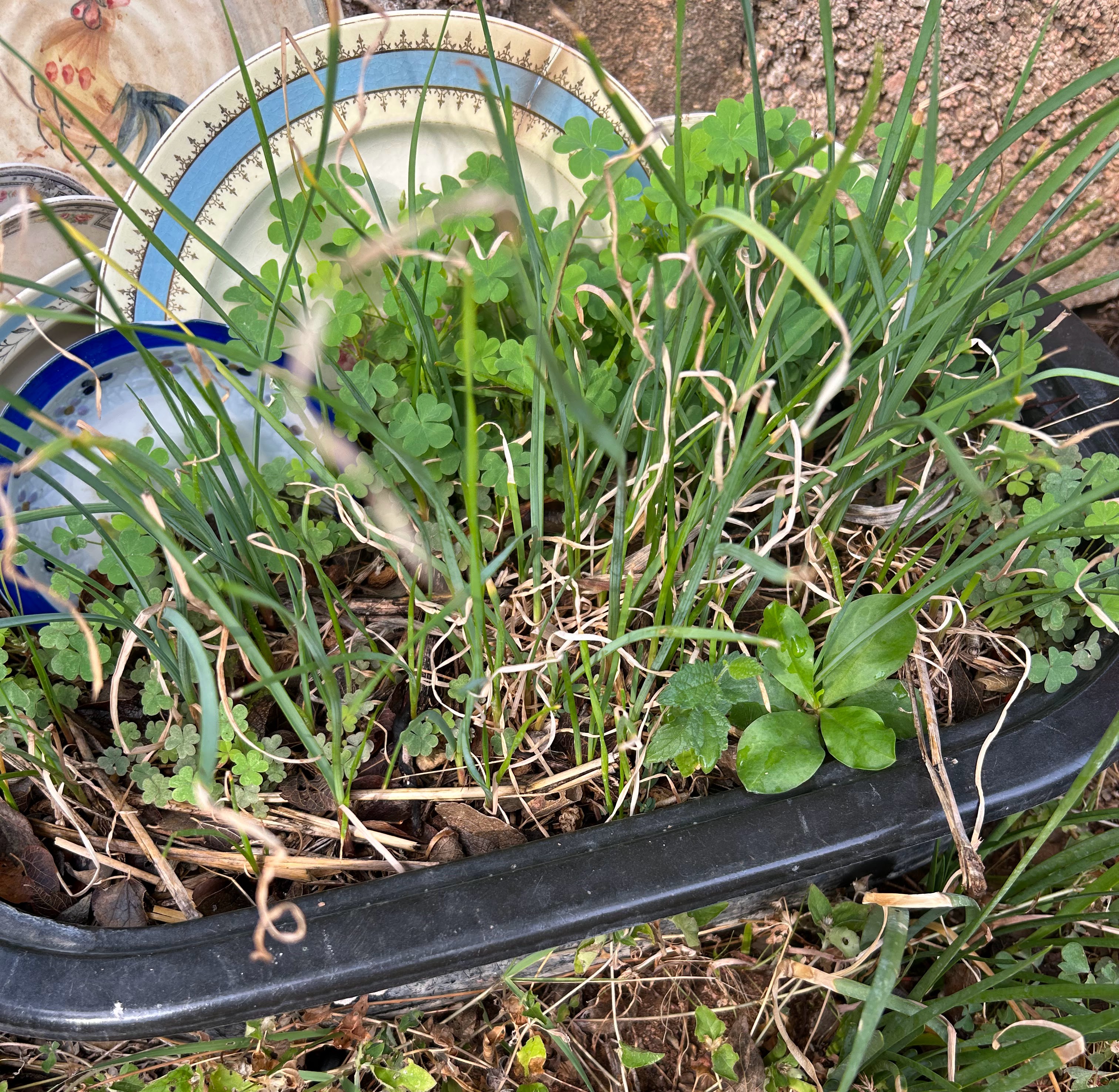
    I don’t know about you, but every day I’m out on my hands and knees looking for new life. Yesterday I spotted blooms of Golden Crocus, Grape Hyacinth, Oxalis and the first purple bloom of Spiderwort. Foliage of countless bulbs are hinting that this Spring will be spectacular. Three years is a long time to wait for anything, let alone Spring blooms!

    A wonderful part of this year’s Spring is the undergrowth of weeds. I know that sounds bizarre, and it probably is, but stay with me. Non-seeding weeds are actually a benefit to your soil. Pull them up and simply create piles of rotting goodness where the weeds used to be. The nutrient-rich piles will deter future weeds from taking over, while the rotting process will encourage microorganisms to find a nice habitat to live in. Worms in the soil will enjoy the incredible benefits of the entire process, while your soil is kept insulated and protected from the elements. Last year, there was no undergrowth due to the drought. My gardens started off the drought with bare soil. I was scraping together any organic material I could find to pile on the earth….Live Oak branches from neighbors’ brush piles, hay, newspaper and cardboard and leaves from empty lots. I even went as far as taking my little lawn mower to an open field with Live Oaks, and mowing to collect the fallen leaf debris. Like I’ve said many times, the soil at my studio is AWFUL….but this Spring, I have hope in all new beginnings. I have found earthworms for the first time in some places, and the mere fact that I have an undergrowth of healthy, non-thorny stickers is a huge step into the land of a healthy garden.
    They say it takes 13 years to establish a garden. In some parts of my garden, I am on year two. But then, combine that with the lack of good soil and mathematically, I am x=13-2ps+kw(5th). That is, 13 years-2 years, subtract the years of poor soil, but adding Keenan’s work to the 5th power. In other words, I have a lot to do.

    Spring.
    New Beginnings. New blooms. Every single new beautiful day is worthy of rejoicing.
    Happy Gardening, my garden friends!

    Love, Keenan at Heirloombulbgirl

  • An Oxblood Lily from Miss Margaret’s Garden

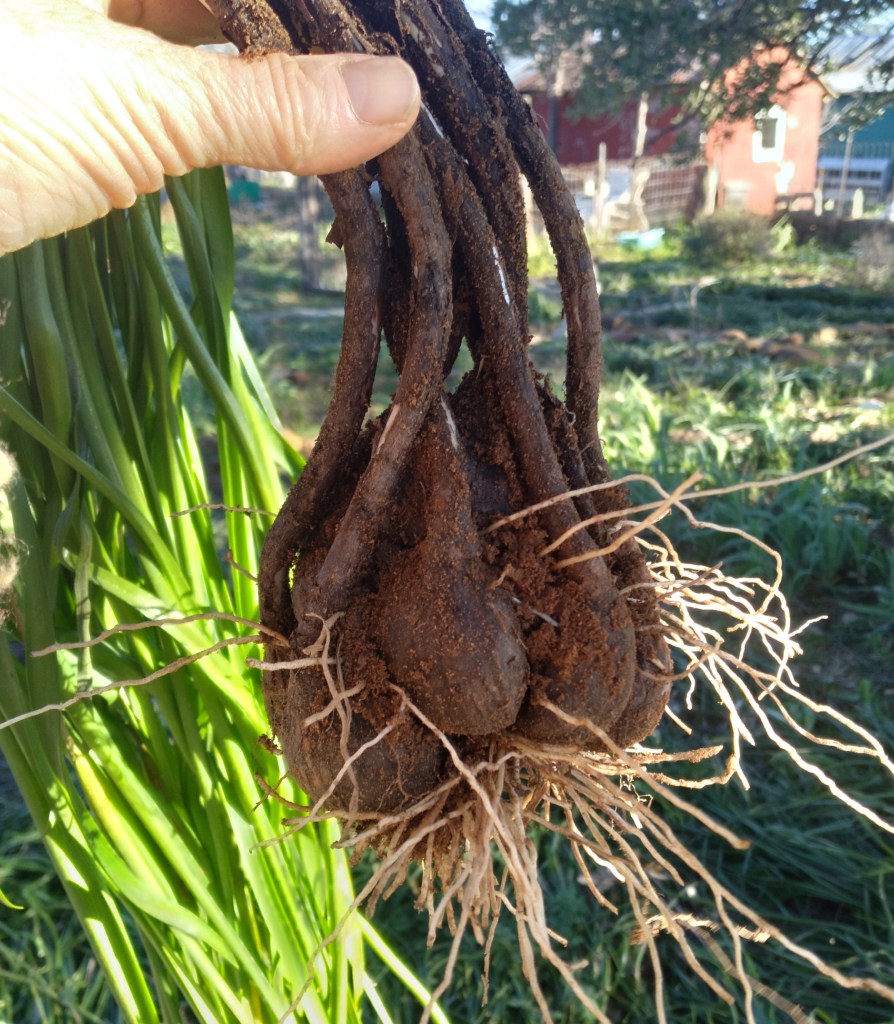
    I spent the last few days moving Oxblood Lilies. Typically when I salvage bulbs from a tear-down, I stick them anywhere I can find an open spot in the garden. Later, I might go back to “decorate” the garden landscape with the bulbs in their “forever homes” (or at least, their home until I get bored). Each clump of Oxbloods is unique due to the age of the bulb or the growing conditions. One particular clump of Oxbloods caught my eye. The original parent bulb was in the middle, warmly surrounded by a beautiful family of healthy bulbs….nine offshoot bulbs, to be exact. Some clumps look like the bulbs are being suffocated….but not this clump. It looked perfectly happy to share its life with the offshoots, and all 10 bulbs were happy and healthy.

    The sheer vigor and fortitude of the Heiloom Oxblood Lily is truly untouchable by other lily bulbs. Scott Ogden once said that the Oxblood is the hardiest of all Southern Bulbs, and I absolutely agree with him. I’ve seen Oxbloods grow through cement rubble of house tear-downs, compacted earth from bulldozer tracks, drought-stricken land, and the list goes on and on. Oxblood Lilies are survivors. Let’s face it….we all need survivors in our life. Over the years, I’ve learned a lot from the Oxblood Lily. Through seasons of drought, gardeners throughout the South are reminded of the redemptive beauty found after the first rain of Fall.

    Oxblood Lilies originally traveled to the United States by way of their German immigrants. These lilies can still be found growing alongside old homesteads throughout the South.
    It is simply incredible to see a flower bulb survive throughout the 1900’s. Old gardens become a direct link to the past…to the days of pass-along plants and quiet cups of tea shared among garden friends.

    This lovely Oxblood was one of the bulbs rescued from Miss Margaret’s former home in Rockdale, Texas. Years ago, I wrote an article about the house in Heirloom Gardener Magazine entitled Saving the Gardens for Miss Margaret. If I knew how to link the article, I would….but Sorry, folks. This is about as tech-savvy as I get. Needless to say, Miss Margaret’s lovely gardens are now a parking lot for the police station. The beautiful historic three story house was torn down to make way for the police station. The original stained-glass filled house was built in the 1800’s. After Miss Margaret passed, the house deteriorated beyond repair. Before the tear down, I dug countless times. I was able to preserve thousands of her treasured Heirloom Bulbs. It makes me almost physically ill to watch century old flowers like this end their beauty, trapped under cement lots. Unfortunately, that happens frequently through the modern progress of rural development. I’ve been determined to save as many Heirloom Bulbs from old homestead tear-downs as I can.

    Each Heirloom Oxblood gives redemption to the garden. If you would like to have an Oxblood Lily from Miss Margaret’s garden, please let me know. I’m happy to share with you. Or you can order flower bulbs from Heirloombulbgirl on Etsy. All proceeds go directly back into the gardens. 
    Happy Gardening, my friends!
    Love, Keenan at Heirloombulbgirl

  • Bloom in the Freeze

    Another hard freeze came our way…just in time to wipe out all the Paperwhites that are in bloom. Nature is funny that way. If I had a dollar for every time a flower bulb was *just about to bloom* but nature stepped in and wiped it all out, I’d be rich. It’s hard to watch precious flower bulbs have set backs. It’s hard to watch people have set backs too. I suppose we all have moments in our lives when life’s uncontrollable events hinder our instinct to bloom. I read once that people are like stained glass. It is easy to be beautiful when the sun is out and everything is shining. It’s hard to actually shine in the darkness.

    For the last three years, Winter has delivered hard freezes at the exact same time my Paperwhites bloom. If I didn’t know better, I’d say that nature is trying to teach me something. This year, I got wise and covered many of the blooming bulbs with large plastic flower pots. Two days ago, I removed the covering pots to find the bulbs were happy and snuggly….blooms perfectly healthy. What I didn’t realize was that another hard freeze was scheduled that night. The freeze proceeded to wipe all the bulbs out. Nature is funny. Although the heirloom bulbs won’t die from a freeze, I lose the beautiful bloom that happens only once a year. What exactly is the moral of this story? Dig up the Paperwhites and throw them in the compost heap? Give up? Be like dingy stained glass, refusing to bloom in the freezing darkness?

    I don’t think gardeners plant flowers for the moments of perfection. I think most of us like to watch things grow. We learn about ourselves through nurturing our gardens. Our hearts delight in watching a prized cabbage rose bloom for the first time after a long battle with thrips, and our hearts break in the loss of a cherished heirloom bulb, eaten by gophers. Gardeners stay the course, for better or for worse and against all odds, simply to bring natural beauty to dark, technology-driven world. Gardeners are stained glass folks who *choose* to bloom in the darkness. Maybe that’s why I grow flower bulbs….I need to be reminded each and every day to bloom in spite of my circumstances.

    ”The steadfast love of the Lord never ceases.
    His mercies never come to an end.
    They are new every morning.
    Great is Thy faithfulness, oh Lord.”

    This morning, the weather is in the teens. All Paperwhites have frozen back, but my heart is not defeated. My thoughts are already planning to rearrange the areas with Paperwhites, to make the covering-process more accessible. I am also gearing up for the Spring Bloom, hoping to order some more daffodils from Southern Bulb Company, and some heirloom dahlias from Old House Gardens. Life continues on and next year, I won’t be caught off guard for the surprise freeze.

    Happy Gardening. my friends! Keenan at Heirloombulbgirl

  • To Nurture a Garden


    There are two types of gardeners in this world……organized, neat and tidy, everything-in-symmetry kind of gardeners, and then there’s everyone else. If you know me, you already know which camp of gardeners I fall into. Let me just pull back the curtain of Oz a little bit more. I have no fewer than 25 unfinished gardening projects going on at any given time. The word “frazzled” is my middle name in Greek, and it fits like a ripped up, dirt-stained glove. I am the complete opposite of any type of “garden influencer” you might read about. In fact, there’s probably a psychological study that could be done on my gardening style, but that’s beside the point. Let’s just say that I am extremely fortunate to have these beautiful Heirloom Flower Bulbs that make my gardens worthy enough to talk about. If it weren’t for the flowers, I’m afraid I’d be forced to be the world’s worst golfer. Thank goodness for the gardens!!

    In honor of the New Year, I decided to toast to the fact that I most likely will not finish my gardening “to-do” list, or any of the unfinished projects that I enjoy muddling around with. But instead, my new gardening resolution is simply to nurture what I have already accomplished.


    Nurturing is a gardening concept that is rarely allowed in the mind of a busy gardener. There are so many garden chores to do that nurturing a single flower seems like a complete waste of time. Gardeners tend to focus on “important” tasks such as flipping the compost pile or spreading cardboard upon a weed-infested area. Garden tasks give us a sense of purpose, a feeling of success and a cool “badge of honor” among our gardening friends. Our society is driven by work, and that drive to work is carried over into the garden. To nurture something feels…well, less adequate. What does “naturing” even mean?

    Nurturing becomes the quiet, still moment of committing yourself to the growth of something beyond yourself. Ralph Waldo Emerson describes success as “Leaving the world a bit better, whether by a healthy child, a garden patch or a redeemed social condition.” True success is the ability to nurture life, and to be able to look at oneself and to see that you are connected with all of nature, including humankind.
    Nurturing a garden looks a bit different to each gardener, but the end goal is the same….to leave a little piece of the earth better than when we found it. Some gardeners focus on growing plants by nurturing seeds, while others focus on creating and nurturing a habitat for wildlife, such as Butterfly Sanctuaries. To nurture is to see beyond the hurried moment, and take the time to instill love and goodness into something with complete selflessness.

    Over the years, I have learned a lot about nurturing through rescuing flower bulbs from tear-downs. I have pulled bulbs to freedom out of rubble, and have enjoyed the redemptive process in watching each unique bulb grow strong enough to bloom. I have found chewed up remnants of bulbs, completely destroyed by their unfortunate events, redeem themselves to full beautiful glory. In fact, my favorite group of bulbs, my “survivor bulbs”, managed to grow out of the compacted ground of bulldozed flood debris. I lovingly dug out each remaining bulb from the hard earth, not for any other reason than the bulbs’ sheer will to live.

    This year, I decided to step off the hurried, frazzle-bus, and commit time each day to simply nurturing my flower bulbs. I am being intentional about where to plant flowers. Bulbs need to be visible and present while blooming, but non-invasive to the gardens when growing. That’s a lot to expect for any flower, but bulbs are worth it. Foliage can be a continued bother to many non bulb-loving folks. Lining garden paths, house foundations, driveways or creating specified areas within the garden will help bring an organized look within the carefree growing garden. Some bulbs, like Paperwhites, need a lot of water and sunlight while growing. Other bulbs, like the Oxblood Lily can flourish in any environment. Heirloom Bulbs are tough, but each variety of bulb has a different personality with different growing needs.

    Happy Gardening, my friends! May you find a beautiful balance in your garden between the moments of hard work, and the quiet, still moments to truly nurture what you love.