Tag: native plants

  • The Texas Pomegranate

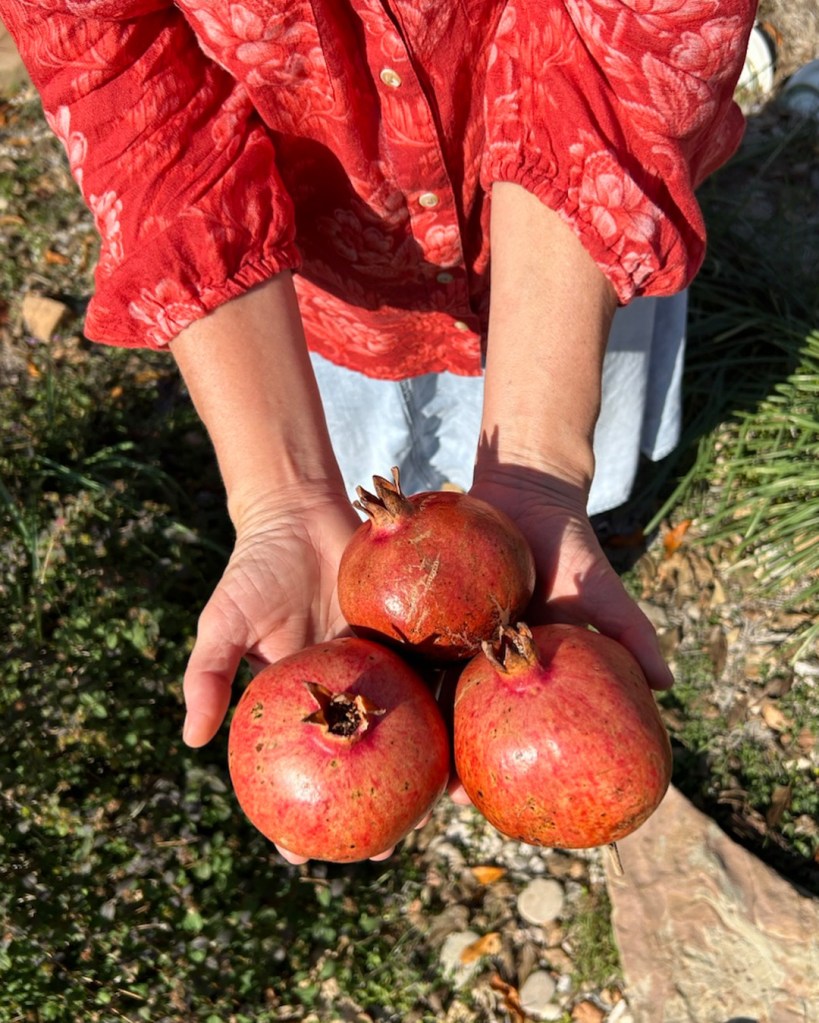
    Some of you know, but most of you don’t, the disgusting soil I have to work with at the studio. Even the word “soil” to describe the studio grounds is being grossly negligent as a writer. Perhaps I should describe my land in politically correct terms…the land is “soil-deprived”, or an “enriched-deficient” plot of horror. Most gardeners would run and hide from the catastrophic elements that are continually at war against gardening. Whether it be moles and gophers, rock and rubble, thermal hot spots in drought conditions or just a plain thorny sticker crop. I simply can’t catch a break. Except in the rare moments when I get to look upon a job well done. Inspiration overrides all seasons of exhaustion and frustration, and I simply get to hold the fruit of my labor. And oh, how sweet it is!

    The Texas Pomegranate is truly something to behold. I call it the Texas Pomegranate because I honestly don’t know what variety this beautiful tree is. I received the tree as a gift when I first bought the music studio. Apple John, a dear friend and mandolin extraordinaire, has an Apple Orchard deep in the Texas Hill Country. John also cultivates Pomegranate Trees. This tree was one of the first plants that found a home at the studio. The Pomegranate became a landmark in the garden, planting all shrubs, flowers and Heirloom Bulbs around it. When cherished plants died in times of drought, the pomegranate grew only stronger.

    ”Is that all you got?!”

    The Texas Pomegranate is also unscathed by destructive critters that lurk underground. For a few years, I had a beautiful antique rose that nestled herself up to the pomegranate tree. Then one day her roots were completely chewed up. Once again, the Pomegranate grew only stronger. It honestly doesn’t make sense how the palate of a gopher can be so refined as to distinguish between the roots of a salvia or rose!

    I’m not a gardening expert on much, but I do take notice the drought-hardy plants that thrive in lousy soil. The Texas Pomegranate is one of those jewels. For great native plants, I shop at Greensleeves Nursery in Pflugerville, Friendly Natives in Fredericksburg, Backbone Nursery in Marble Falls, or The Natural Gardener and Barton Springs Nursery, both in Austin. I love each of these shops for different reasons. The mainstay is to shop a local plant nursery that focuses on native plants for your area. DO NOT SHOP BIG BOX STORES FOR YOUR TEXAS POMEGRANATE TREE OR ANYTHING FOR THAT MATTER. (Notice all caps? I’m a bit passionate about supporting small garden shops!)

    Happy Gardening, my friends!
  • Monarch Migration 2025

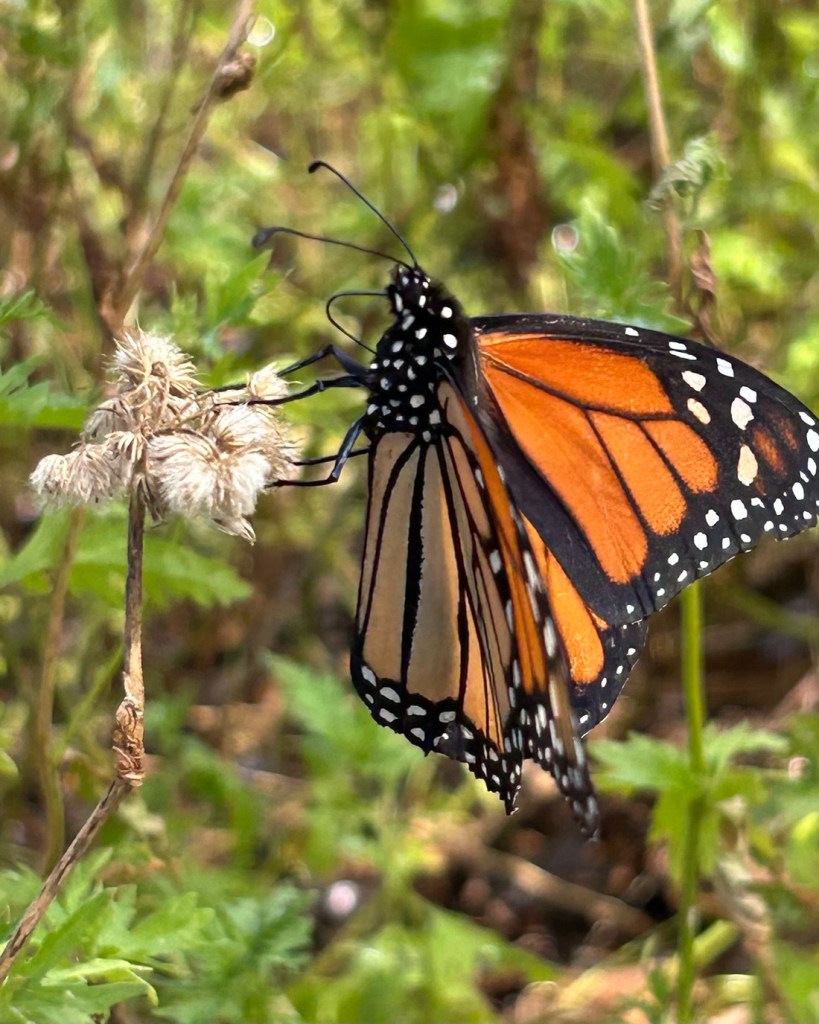
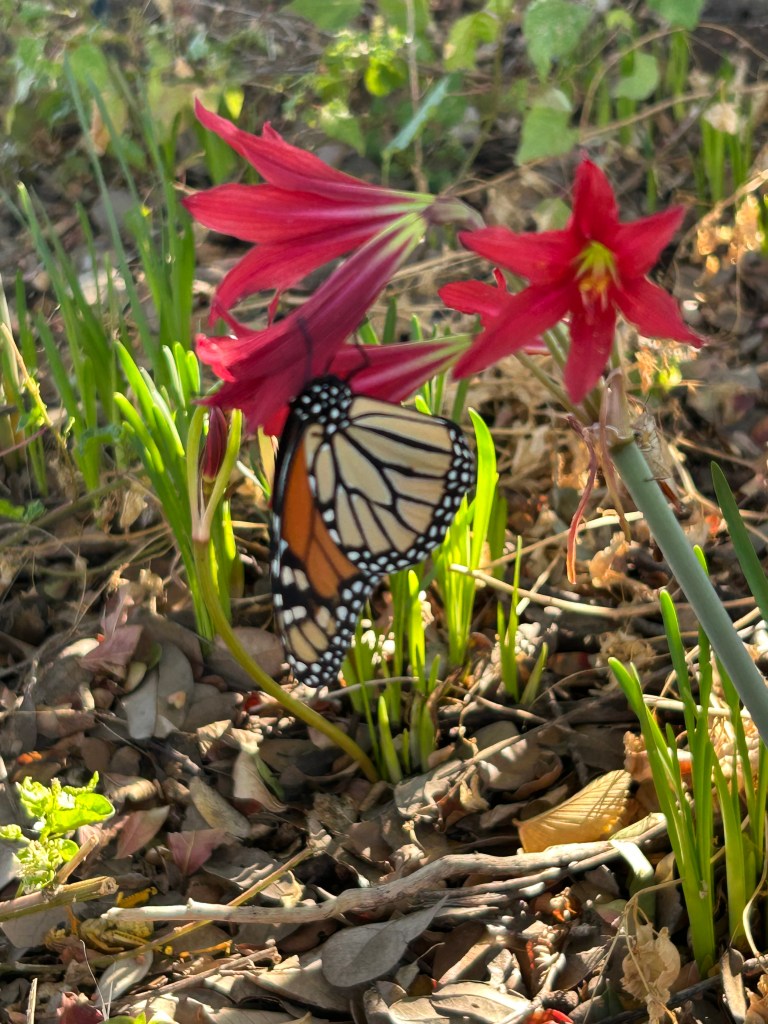
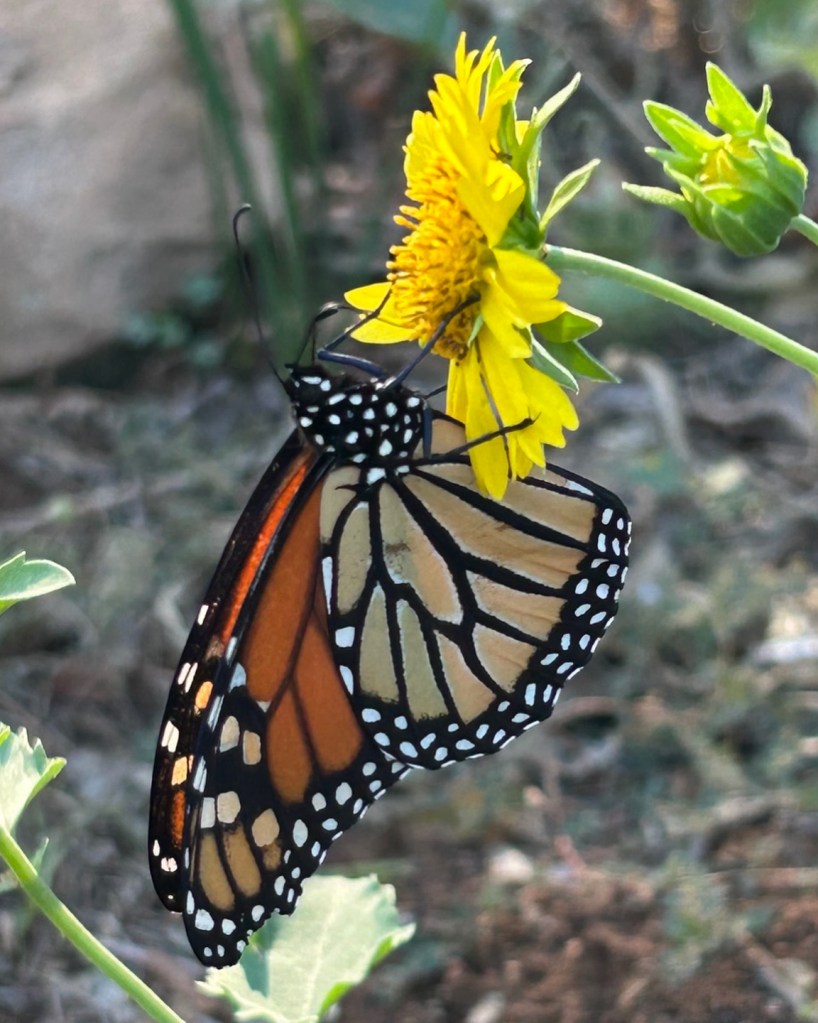
    This year’s butterfly migration was unlike any other I’ve ever seen. So many pictures from all over Texas showed an increase in Monarchs. I think what is most awe-inspiring is the same butterflies that were feasting on the Cow Pen Daisy in Texas were in Canada not too long ago. That, my friends, is simply miraculous.

    The Fall Monarch migration depends largely on pollinators. A Monarch Butterfly will fly thousands of miles south, in need of energy sources and rest along the way. After much curiosity and research, I discovered that Monarch butterflies actually remember food sources. Somehow, this understanding is passed down from generation to generation. Food sources become instilled in the pathways of Monarchs. Butterflies remember!

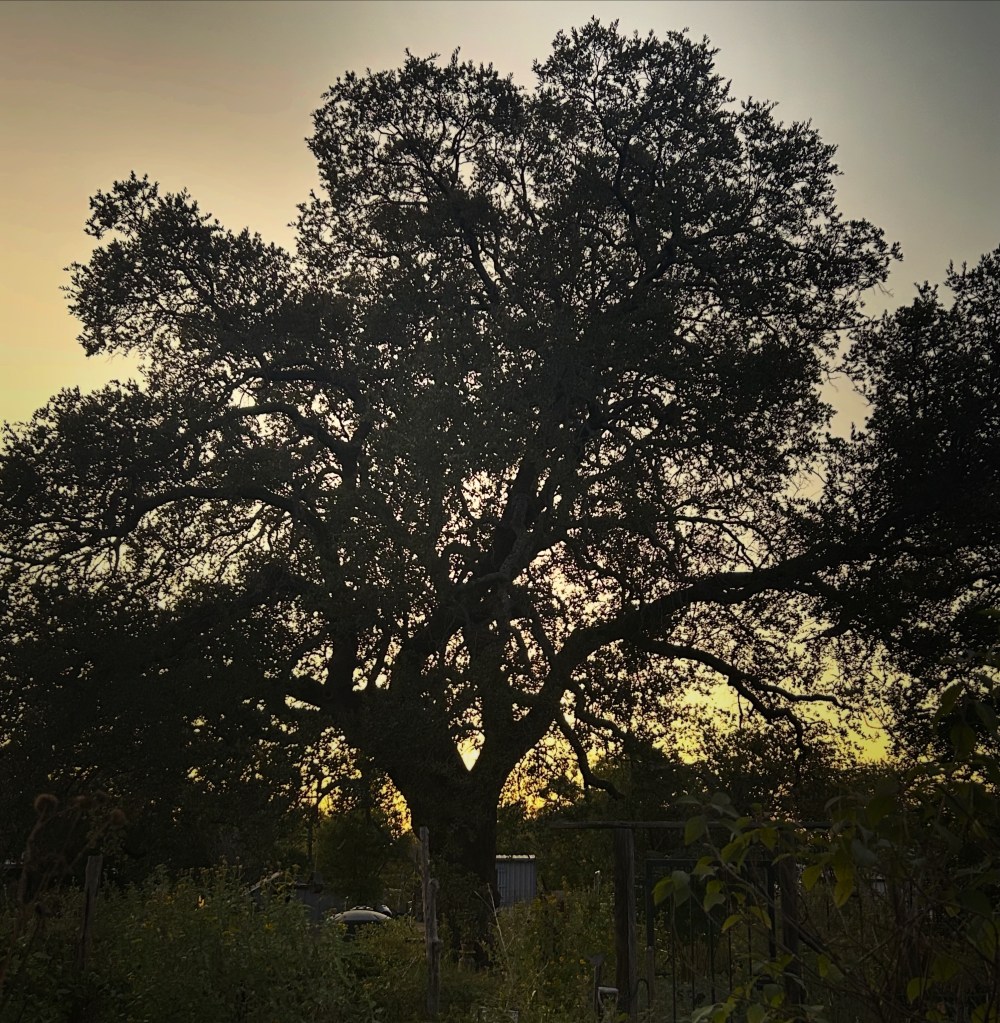
    Over the past decade, I have worked endlessly on restoring the studio grounds for a natural habitat. I have planted many different natives and other butterfly pollinators, but the Cow Pen Daisy was the game changer. Once I brought in Cow Pen Daisy, it was on! Each year, the Monarch numbers doubled. This year, I have a Monarch sanctuary. A place of recharge and rest. The Monarchs arrive on an invisible pathway in the sky, and rest in the shade of the old Live Oak Trees. They enjoy the food sources available, and sleep safe and sound on tree branches.

    It’s not too late to start planning for next year’s Monarch Migration. Let’s face it, gardeners rarely let idle time slip through their fingers. We are always thinking about the next great thing to add to our garden oasis…whether it be a project, a pond, a plant or a butterfly habitat. Remember, there’s always room in the garden for more beauty, bulbs and butterflies.

    “Go ahead and splurge. It’s the only way”

    Happy Gardening, my friends!

  • Finding the Balance

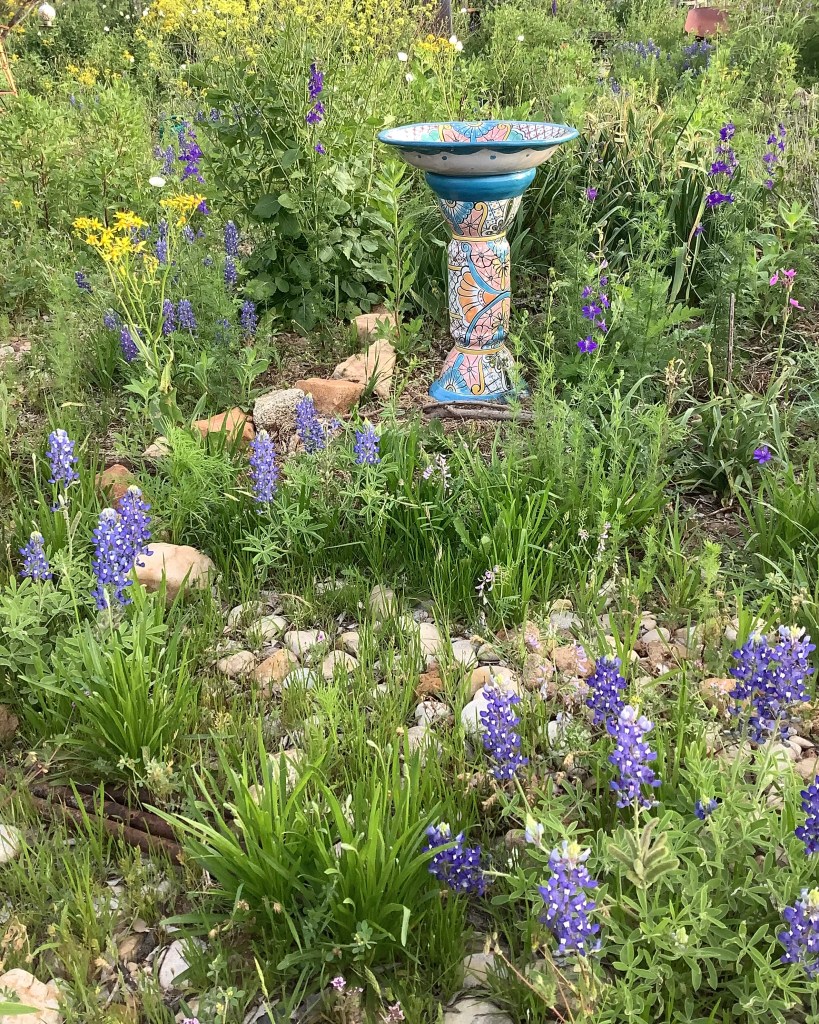
    There is a fine line between “going natural” with native plants, and the complete and utter gardening chaos that consumes everything in its path (including cool garden art and small children). My gardens usually tip-toe close to the line of chaos, but this particular year, the balance had to be reestablished. The local natives were abundantly fruitful with all the beautiful rain. The studio grounds have been lost in a sea of Tie Vine and Widow’s Tears. Although the bees were pleased in the overwhelming native landscape, I had to find some sense of balance in the garden. Too much of a good thing becomes borderline toxic….so I set out with my dull scissors and bucket to thin out the natives.

    Balance is a word used a lot in our society. “Find the Balance” can be heard in every realm of life. Balance between work and play, healthy eating habits and a delicious three-layered coconut cake, good parenting and self-focused alone time, screen time and naturally unplugged time….you get my drift. The need for balance is in every aspect of life. Our modern society is not just walking the fine line between balance and chaos, it is grossly out of balance. It’s easy to feel like a little Crinum bulb that has been engulfed and suffocated by the overrun vines. How do we find a healthy balance when everything around us is trying to choke out the beauty we are trying to create?

    The first thing to remember is that too much of a good thing is not a good thing. If you have a plant, person, place or thing that has consumed every area of your life or garden, it needs some space. The problem with a lot of natives is that they are designed by nature to thrive, whether by seed production, tap roots or natural vigor, natives thrive against all odds. Native plants are great, until you can’t see your garden any longer. My secret weapon in the garden is a pair of gardening scissors. I am basically a female version of Edward-Scissorhands, cutting natives and invasive vines off at ground level. The Texas Tie Vine, for instance, is a charming vine with pink flowers and heart-shaped leaves that cannot be simply pulled up….the taproot is somewhere three block as away. Pulling the vine up sends plant hormones to reproduce TWICE the vine….No joke! Where’s the balance in that?? If left unchecked, the cute little vine will consume your entire block, children, husband and pets included! Balance is being able to enjoy the lovely pink flower in random spots without allowing the vine to ruin your entire life. I continually look for places being overrun and I continue to cut throughout the season. I also *try* to keep the space around specimen plants or bulbs sacred. Native ground covers and plants like Widow’s Tear can steal nutrients from your prized plants and drop a lot of seeds. A good healthy haircut, I mean plant-cut, is good for everything in the garden.

    Another way to create a healthy balance in the garden is to recognize native plants as healthy or toxic. There are beautIful things in life that can actually be harmful to our personal health or our garden. Take, for instance, the dreaded Poison Ivy Vine. The berries are so cute! The growth habits of the vine are delightful, until it’s not. Getting rid of Poison Ivy is also interesting, but that is an entirely different blog. Red wasps are another toxic garden pest. Organic gardeners try to find the positives in all species. I tried to coincide peacefully with the wasp until they ran off the bees from my old bee tree. Not cool. I eradicated the wasp population (I have no apologies either) and my bees happily returned! Protecting the good species from overwhelming troublesome species is much like sheltering a child from the darkness of the world. Yes, it exists, but our energy needs to be put towards raising up goodness, both in ourselves and in our gardens. Even well-meaning pollinators like the Cow Pen Daisy need to be kept in check, before the 3,978,645 seeds each plant drops overruns your delightful Rain Lily bed.

    Finding balance isn’t a “One and Done” activity. Balance is something to seek out daily. Politicians, Social Media and Bermuda Grass will never be completely eradicated from life, so it is best to create healthy space and balance. Don’t get overwhelmed with a job that is never fully completed. Every day is a new and glorious day. Choose the space that you are in, the people you are around, and the plants you have in your garden that bring you the most joy. Don’t get overwhelmed by invasive vines. Simply cut them off at the pass before they get out of control. Keep toxic plants (and people) at bay, and nurture the good things that are all around you in this fabulous garden called life. Balance yourself, and the beautiful things that the Lord has in store for you can grow and begin to be noticed. And next time you gaze upon the garden patch that you just weeded, enjoy that fleeting moment of perfect gardening balance fully….but always keep a pair of scissors in your back pocket just in case. 🙂

    “Take My yoke upon you. My burden is light.” -Matthew 11:30

    Happy Gardening, my friends!
    Love, Keenan @heirloombulbgirl