Tag: Heirloom Bulb

  • The Superpower of Bulbs. Finding Faith by “Dodging Death by Dormancy”

    Here we are, sweating hot and grumbling in 105 degree summer heat, and the Crinum be like “Nope. Not havin’ it. I’m going back to sleep.”
    I want to have that superpower….the ability to simply remove myself from heated situations or troublesome times. I want to magically take myself out of a hot environment, cool off and simply wait for some rain to bloom beyond anything else in the garden. What an incredible superpower to have!

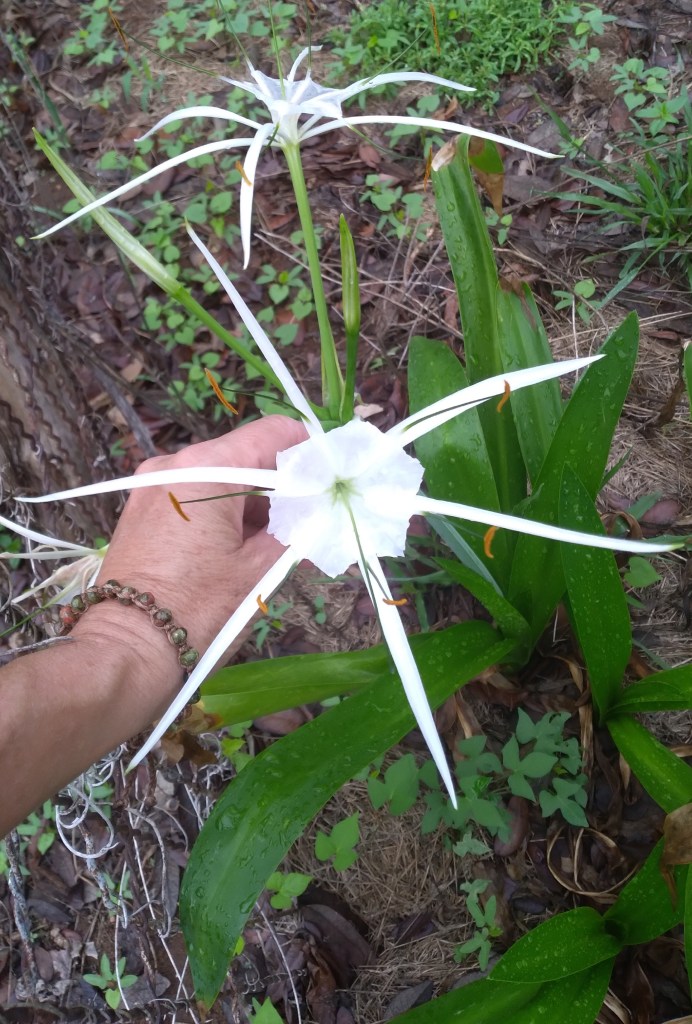
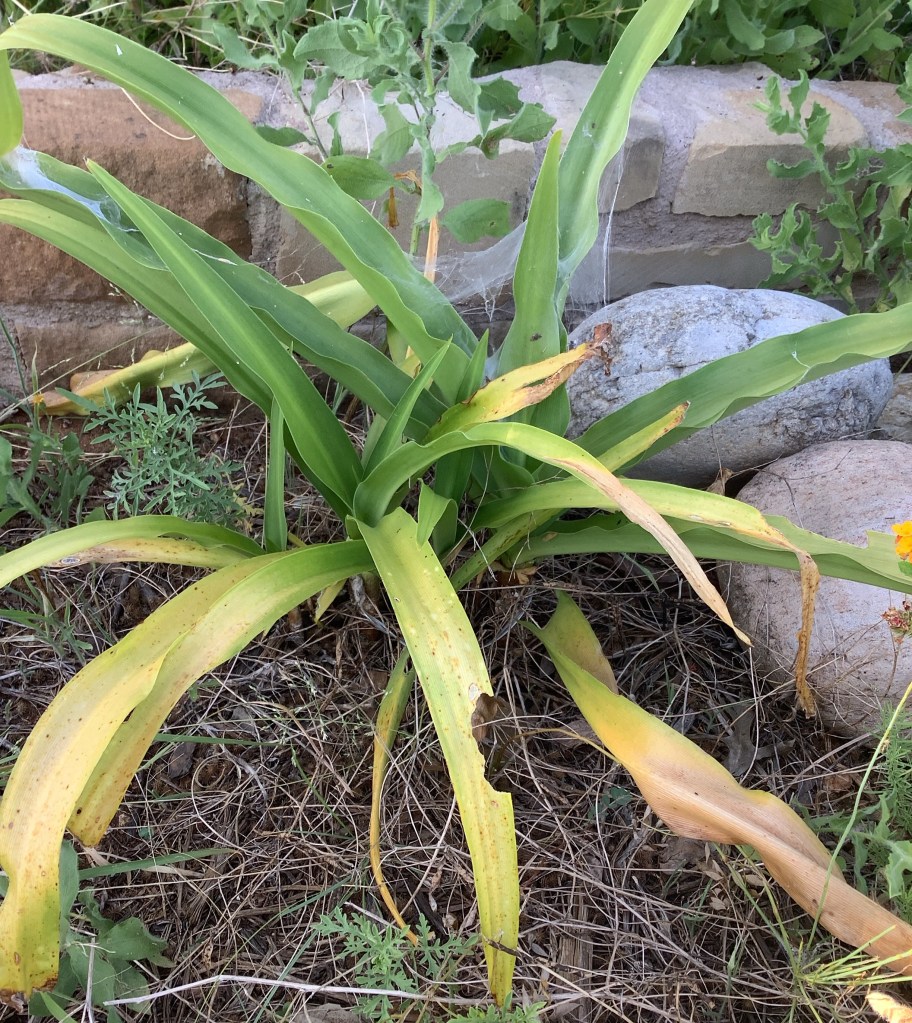
    Crinum are indeed a special bulb. Most of the hot summer, they sway back and forth between a green clump with a gorgeous lily, and a haggard-looking pile of death. Last summer, during the drought, the Crinum looked like they were all at death’s door, merely stubs of crispy brown remnants of foliage. Ah, but they weren’t dead at all. Not even close. The Crinum were just saving their strength and resting in the cool of their little sanctuary below the ground. Dodging death with an incredible ability to remove themselves from the heat and just wait for their perfect opportunity to re-emerge with a boom.

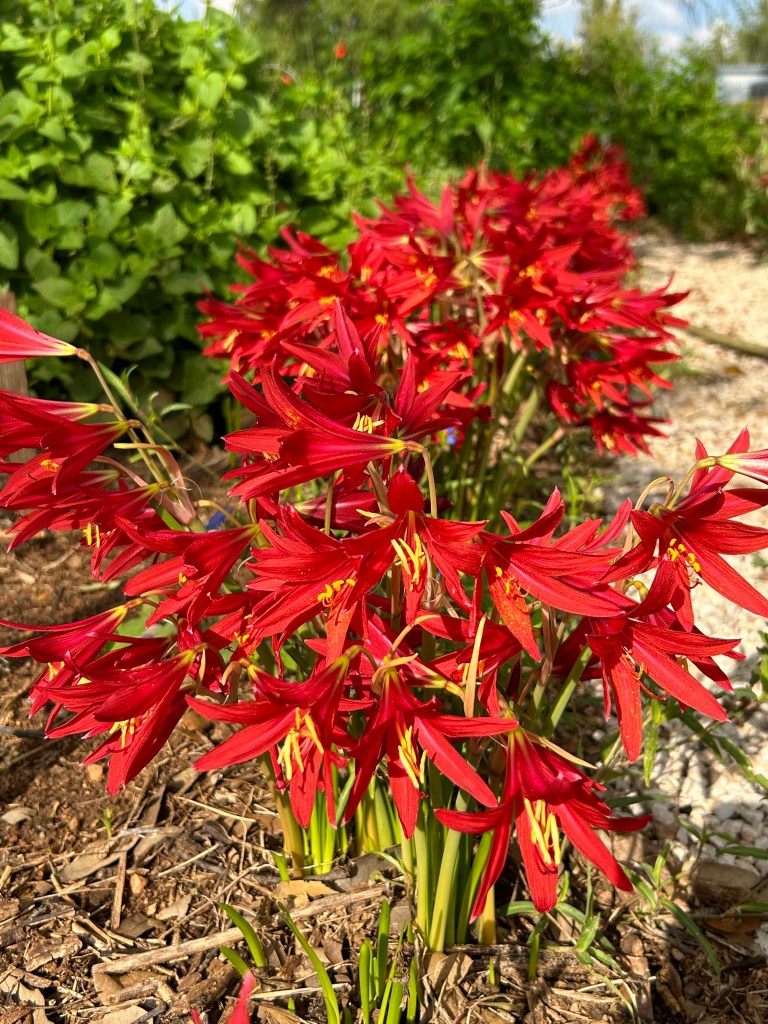
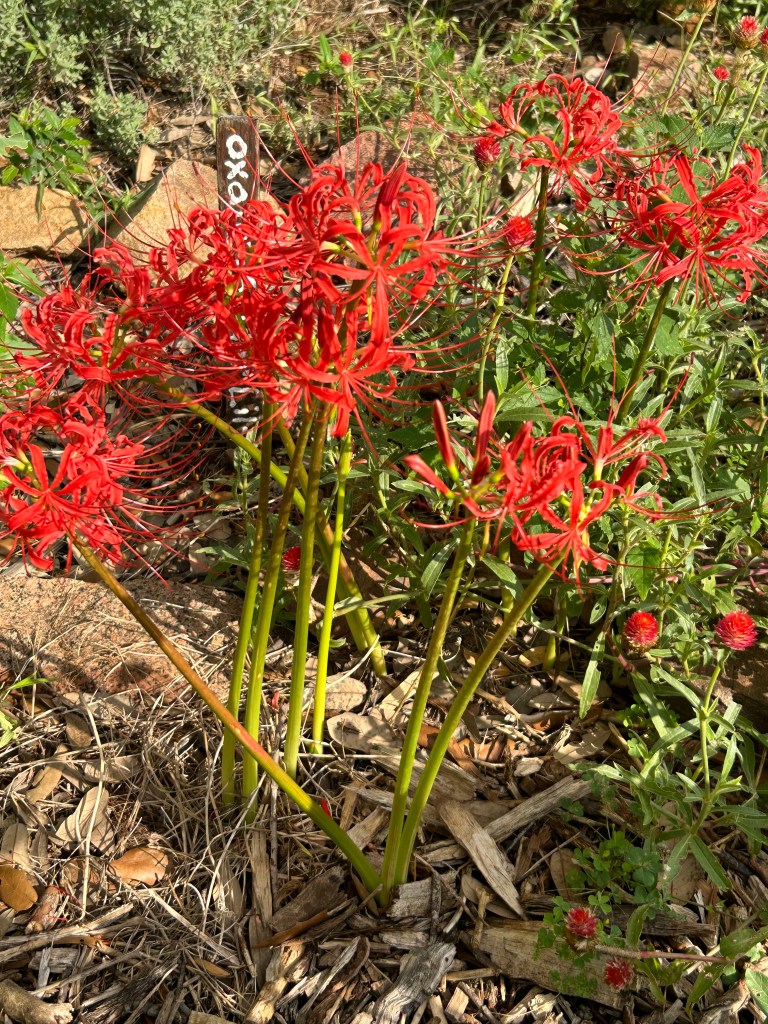
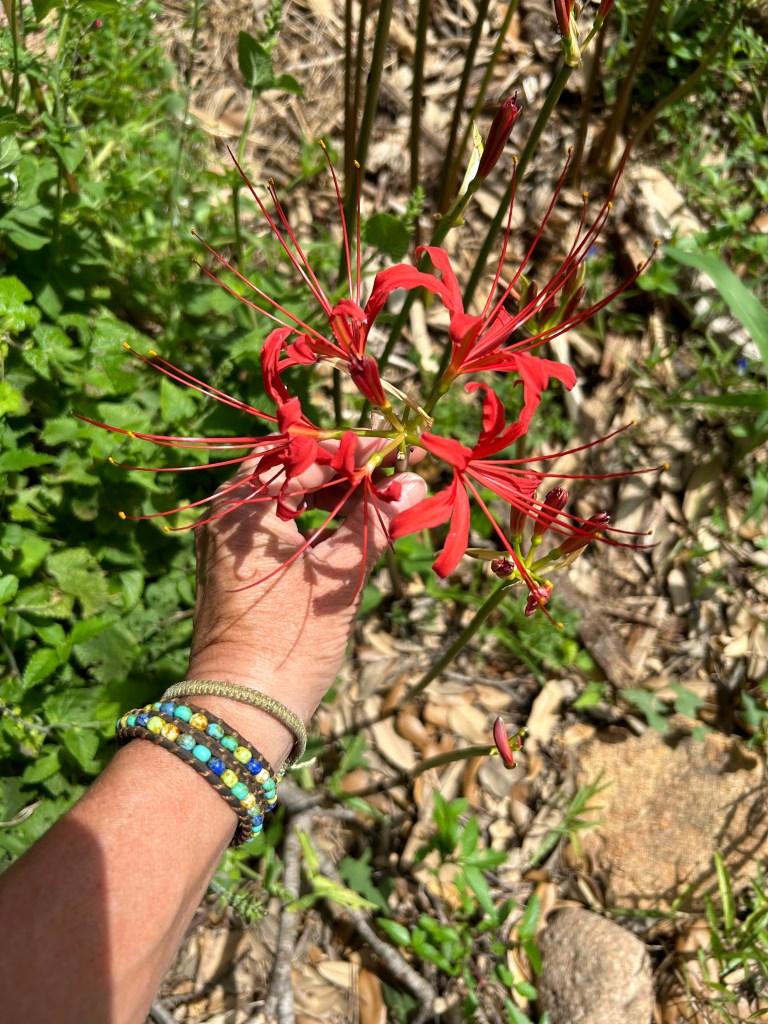
    There are many bulbs that sleep quietly and hide out underground during their dormant seasons. I find this attribute utterly fascinating. For instance, how does a bulb determine it’s specific season to grow and bloom? How does an Oxblood Lily or Spider Lily not get fooled by the summer rain, only to wait quietly and bloom like no other in the first downpour of the Fall? The mere fact that flower bulbs have unwavering fortitude to wait in the hard seasons, blooming beautifully when the rain comes is nothing short of the description of faith….the ability to believe in things that are not seen, hoping for things beyond their circumstances.

    Crinum are my summer reminders of faith. Crinum give me hope through the heated struggle of gardening in a Texas summer, when everything appears to die before my eyes. When times are tough, Crinum simply retreat to their quiet place….a sanctuary. They are restored, renewed and recharged. Crinum don’t fight their circumstances with yelling, screaming, debating or grumbling. Crinum simply find their quiet place, believing beyond the 105 degree weather that “this too shall pass.” The weather *will* cool off, the rain *will* come and the beautiful Crinum *will* share its bloom again….believing in things not yet seen, hoping for things beyond their circumstances. I need flower bulbs like Crinum to remind me where my true source of power is….not in myself, or a perfect environment, with perfect people in a perfect world. On the contrary, my superpower is my faith in Him, Who created it all….seasons of great beauty and seasons of wait. I rest in the quiet of the sanctuary of the Lord, fully knowing that He is the true power source of all…even the little Crinum.

    ”O God.

    You are my God;

    Early will I seek You;

    My soul thirsts for You;

    My flesh longs for You in a dry and thirsty land where there is no water.

    So I have looked for You in the sanctuary;

    To see Your power and Your glory.” -Psalms 63:1-2

    It is another hot summer afternoon. The garden is showing off it’s many shades of crispy brown foliage, but the Crinum are all in wait…..their season is coming. Remember, your Heirloom Bulbs aren’t dead….they are simply cooling off below the earth, dodging death by dormancy. 🙂

    Happy Gardening, my friends! Love, Keenan @heirloombulbgirl

  • Finding the Balance

    There is a fine line between “going natural” with native plants, and the complete and utter gardening chaos that consumes everything in its path (including cool garden art and small children). My gardens usually tip-toe close to the line of chaos, but this particular year, the balance had to be reestablished. The local natives were abundantly fruitful with all the beautiful rain. The studio grounds have been lost in a sea of Tie Vine and Widow’s Tears. Although the bees were pleased in the overwhelming native landscape, I had to find some sense of balance in the garden. Too much of a good thing becomes borderline toxic….so I set out with my dull scissors and bucket to thin out the natives.

    Balance is a word used a lot in our society. “Find the Balance” can be heard in every realm of life. Balance between work and play, healthy eating habits and a delicious three-layered coconut cake, good parenting and self-focused alone time, screen time and naturally unplugged time….you get my drift. The need for balance is in every aspect of life. Our modern society is not just walking the fine line between balance and chaos, it is grossly out of balance. It’s easy to feel like a little Crinum bulb that has been engulfed and suffocated by the overrun vines. How do we find a healthy balance when everything around us is trying to choke out the beauty we are trying to create?

    The first thing to remember is that too much of a good thing is not a good thing. If you have a plant, person, place or thing that has consumed every area of your life or garden, it needs some space. The problem with a lot of natives is that they are designed by nature to thrive, whether by seed production, tap roots or natural vigor, natives thrive against all odds. Native plants are great, until you can’t see your garden any longer. My secret weapon in the garden is a pair of gardening scissors. I am basically a female version of Edward-Scissorhands, cutting natives and invasive vines off at ground level. The Texas Tie Vine, for instance, is a charming vine with pink flowers and heart-shaped leaves that cannot be simply pulled up….the taproot is somewhere three block as away. Pulling the vine up sends plant hormones to reproduce TWICE the vine….No joke! Where’s the balance in that?? If left unchecked, the cute little vine will consume your entire block, children, husband and pets included! Balance is being able to enjoy the lovely pink flower in random spots without allowing the vine to ruin your entire life. I continually look for places being overrun and I continue to cut throughout the season. I also *try* to keep the space around specimen plants or bulbs sacred. Native ground covers and plants like Widow’s Tear can steal nutrients from your prized plants and drop a lot of seeds. A good healthy haircut, I mean plant-cut, is good for everything in the garden.

    Another way to create a healthy balance in the garden is to recognize native plants as healthy or toxic. There are beautIful things in life that can actually be harmful to our personal health or our garden. Take, for instance, the dreaded Poison Ivy Vine. The berries are so cute! The growth habits of the vine are delightful, until it’s not. Getting rid of Poison Ivy is also interesting, but that is an entirely different blog. Red wasps are another toxic garden pest. Organic gardeners try to find the positives in all species. I tried to coincide peacefully with the wasp until they ran off the bees from my old bee tree. Not cool. I eradicated the wasp population (I have no apologies either) and my bees happily returned! Protecting the good species from overwhelming troublesome species is much like sheltering a child from the darkness of the world. Yes, it exists, but our energy needs to be put towards raising up goodness, both in ourselves and in our gardens. Even well-meaning pollinators like the Cow Pen Daisy need to be kept in check, before the 3,978,645 seeds each plant drops overruns your delightful Rain Lily bed.

    Finding balance isn’t a “One and Done” activity. Balance is something to seek out daily. Politicians, Social Media and Bermuda Grass will never be completely eradicated from life, so it is best to create healthy space and balance. Don’t get overwhelmed with a job that is never fully completed. Every day is a new and glorious day. Choose the space that you are in, the people you are around, and the plants you have in your garden that bring you the most joy. Don’t get overwhelmed by invasive vines. Simply cut them off at the pass before they get out of control. Keep toxic plants (and people) at bay, and nurture the good things that are all around you in this fabulous garden called life. Balance yourself, and the beautiful things that the Lord has in store for you can grow and begin to be noticed. And next time you gaze upon the garden patch that you just weeded, enjoy that fleeting moment of perfect gardening balance fully….but always keep a pair of scissors in your back pocket just in case. 🙂

    “Take My yoke upon you. My burden is light.” -Matthew 11:30

    Happy Gardening, my friends!
    Love, Keenan @heirloombulbgirl

  • Oxblood Lily Give Away

    In an effort to continuously beautify the world, or at least a flower garden or two, I’m giving away Oxblood Lilies to well-deserving, bulb-loving gardeners. 🙂

    If you’d like some lilies, simply send me a email at heirloombulbgirl@gmail.com about what you love best about the Oxblood Lily (or any Heirloom Bulb). If you aren’t familiar with lilies, just tell me what you love about gardening. I will send you 2 lovely Oxbloods *free* (shipping/handling will be around $8.00). If you live close, come on by to the studio and get your lovely lilies without the shipping charges. Once your Oxbloods arrive, put right into the ground, water in and wait for the first heavy rainfall of the Fall….and Voila! A beautiful red Oxblood Lily.

    Oxblood Lilies are powerful reminders of the redemptive process throughout the garden. When droughts and overwhelming heat bear down heavily on the soul, the Oxblood Lily becomes a beautiful reminder of renewal and hope.
    Every garden needs an Oxblood Lily.

    Looking forward to hearing from you!
    Happy Gardening, my friends! love, Keenan

  • Breaking a Slimy Stronghold to Set Your Flowers Free

    I don’t mean to brag, but I have a lot of snails in my garden. Even my husband , who notices nothing, commented on the unwanted garden guests, I mean pests.

    ”Wow….You have quite the snail crop growing.”

    Why Yes, yes I do. My snail population is impressively large. So large, in fact, that I am out every morning on snail patrol, picking snails out of their secret slimy snail-hiding places. I have tried many different ways to annihilate snails in my garden. Bowls of beer only produced a drunken party with a bunch of pregnant snails. Squishing snails feels too disgustingly aggressive, and snail guts get on my shoes. Throwing snails onto the hot pavement is quite rewarding, but seems to encourage a slug-like race back to the shade of my Live Oak trees. When I had chickens and ducks, the snail population was greatly diminished, but unfortunately, so were the flowers in the garden. My favorite way is to deal with snails is to simply hand pick snails and put them into plastic sacks with weeds to munch on. The snails eventually die like the gluttons they are, off to snail-hell. I often think of how hungry a person must have been to look upon a snail and think “If I put some butter and garlic on that thing and give it a fancy French name like ‘escargot’, it’d be delicious!”

    Through the daily grind of picking snails, I have discovered that snails are actually one of the garden’s infamous “strongholds”. If you are unfamiliar with strongholds, lucky you. For those of us who have battled strongholds, they are nothing to play around with. If you turn your back on a stronghold, it quickly takes hold and tries to choke out every wonderful thing the Lord is doing in your life. Strongholds are joy-robbers, life-suckers and beauty-extinguishers. Strongholds lie in wait, in their dark and slimy, secret places to eventually “kill, steal and destroy”…..exactly like the snails in the garden.

    Snails are highly attracted to piles of decaying debris in the gardens, hiding quietly in their dark secret places. Snails especially love to feed on bulb foliage, which is necessary for the following year’s flower. Snails reside in the base of the bulbs, especially Iris, right beneath the earth, and come out to feast in moist or dark conditions. Simply water your gardens and watch the snails come out for a dinner party. If left unchecked, snails can devastate your flower bulbs foliage, especially new growth and delicate flowers. Snails also seek out tender, vulnerable plants and veggies, destroying crops of tasty greens and seedlings. Snails will weaken plants to complete distress as they slowly suck the life out of the flower, leaving behind a slimy path of filth. Snails are to flowers what strongholds are to humans, as they slowly and steadily destroy beauty within the garden.
    But, the Lord promises that every stronghold can be overcome, whether it’s an addiction, an unhealthy relationship or lifestyle, or simply snails.

    A gardening stronghold is broken the same way a Spiritual stronghold is broken…..focusing our energy *every single day* in overcoming the obstacles that are set before us. We are to run a race worthy of the finish line, not just one sprint. We are to pick up our full armor and go to battle every day, not allowing a single inch of ourselves to be consumed. One thing I have learned from snail picking is that it is a constant, day by day walk that produces good results, or “fruit”. With each new day, my snail population decreases, my flowers get stronger and my gardens grow more lovely. The Lord doesn’t promise that battling strongholds will be easy, but He does promise that He will make a way where there is no way (Isaiah 43)

    Snail picking, like any other stronghold, can be overwhelming, but let’s face it…. if it were easy, everyone would do it. That’s why God made Gardeners 🙂

    ”The steadfast love of the Lord never ceases. His Mercies never come to an end. They are new every morning. Great is Thy faithfulness, oh Lord.”

    Happy Gardening, my friends!
    Love, Keenan at Heirloombulbgirl

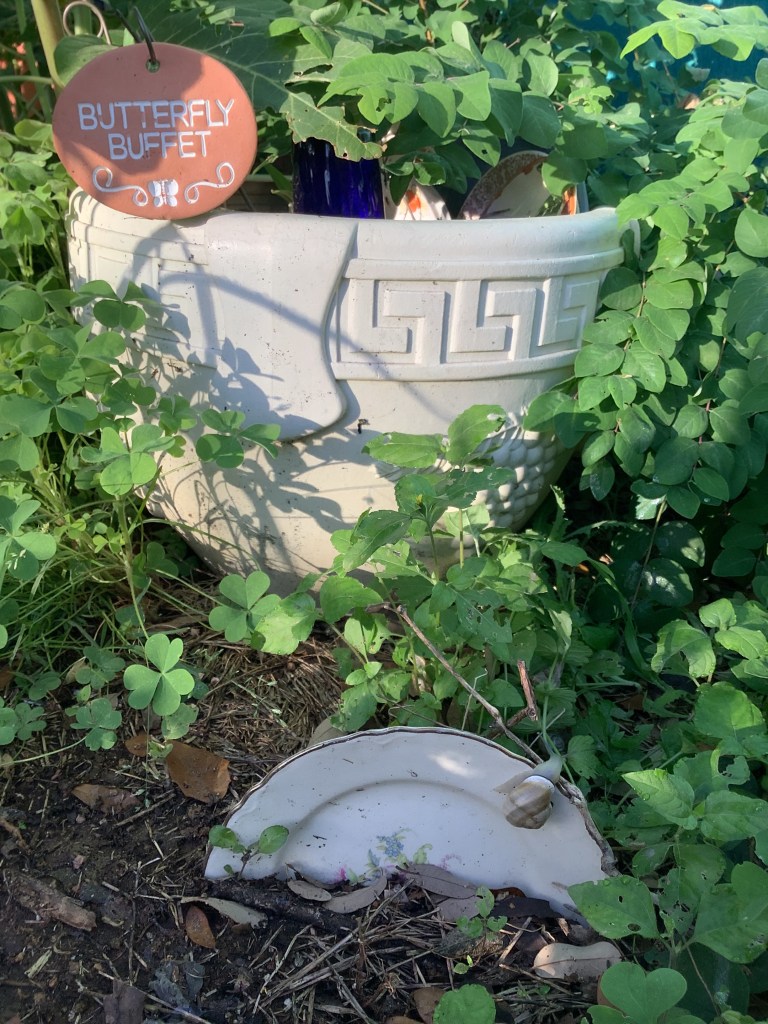
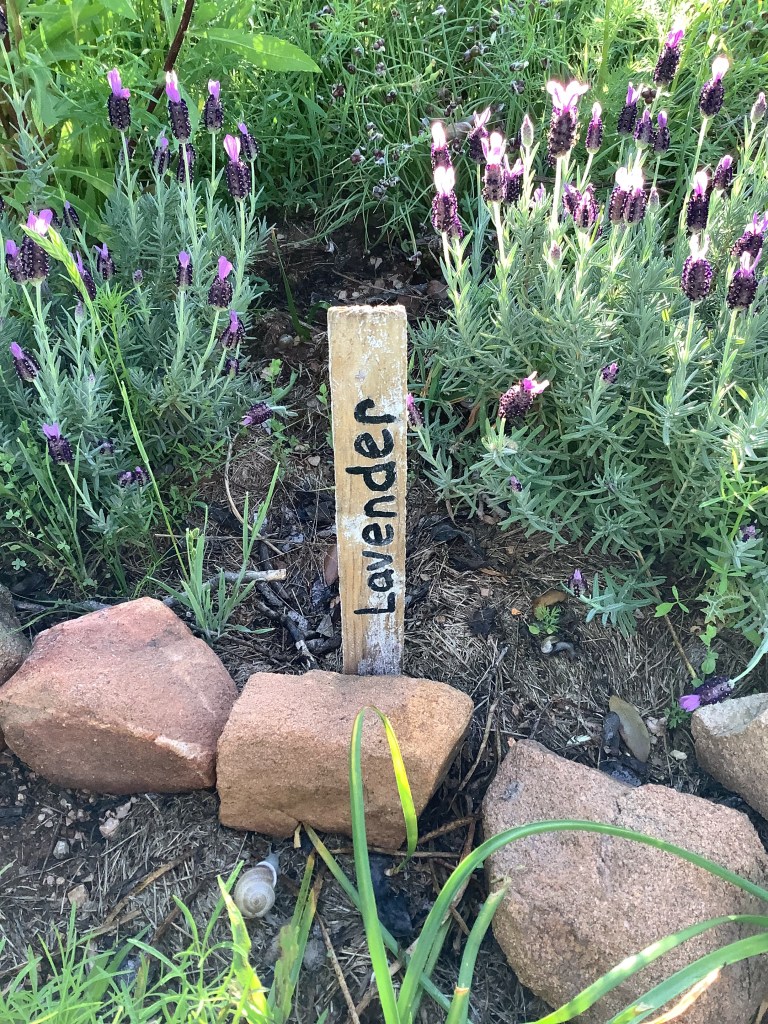
    Just fyi….that snail will never make it to my Lavender 🙂

  • A View From the Gardens

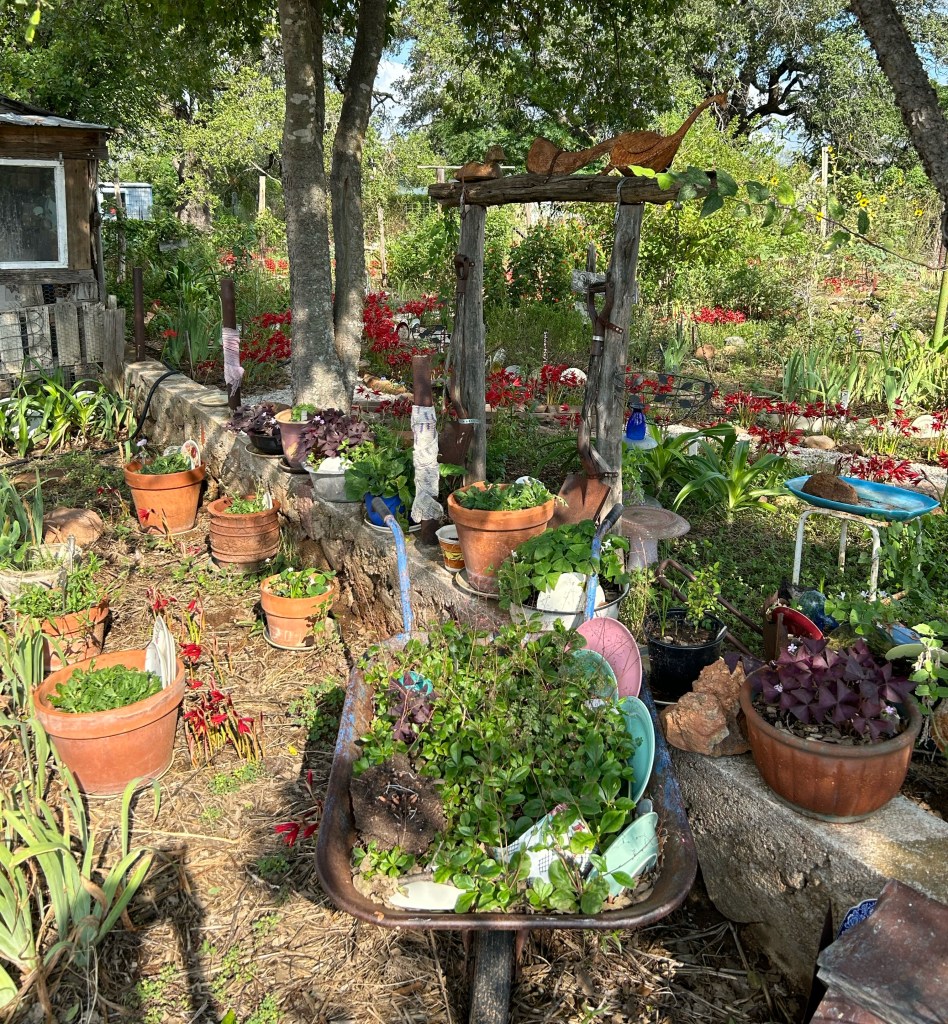
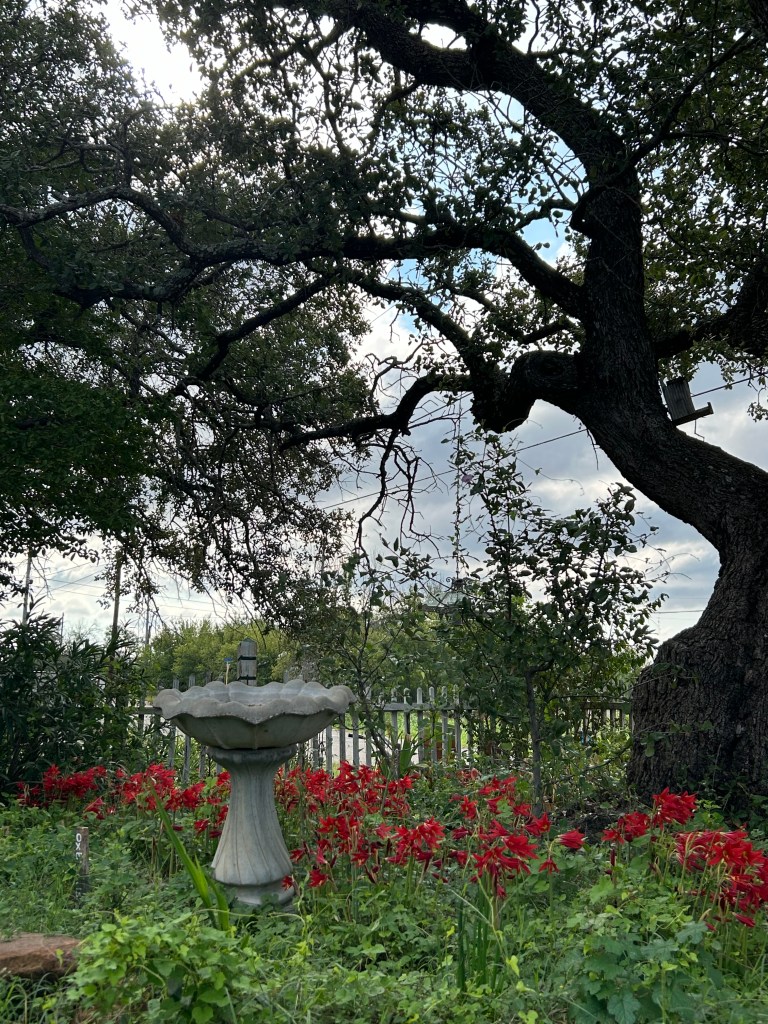
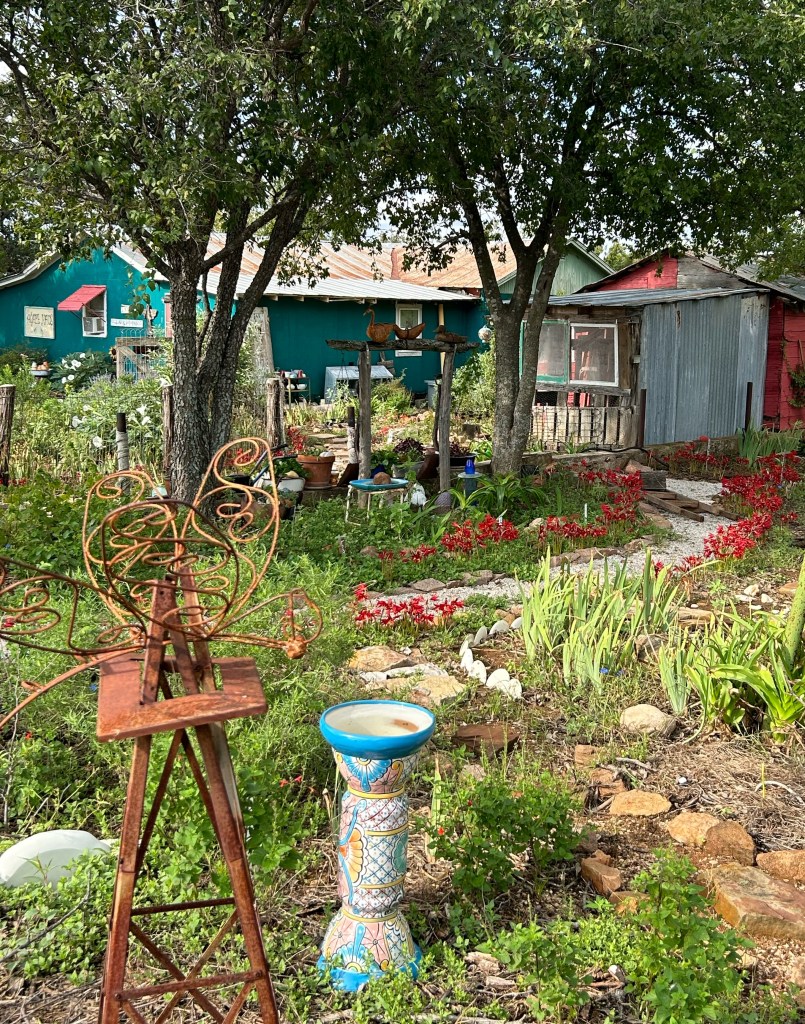
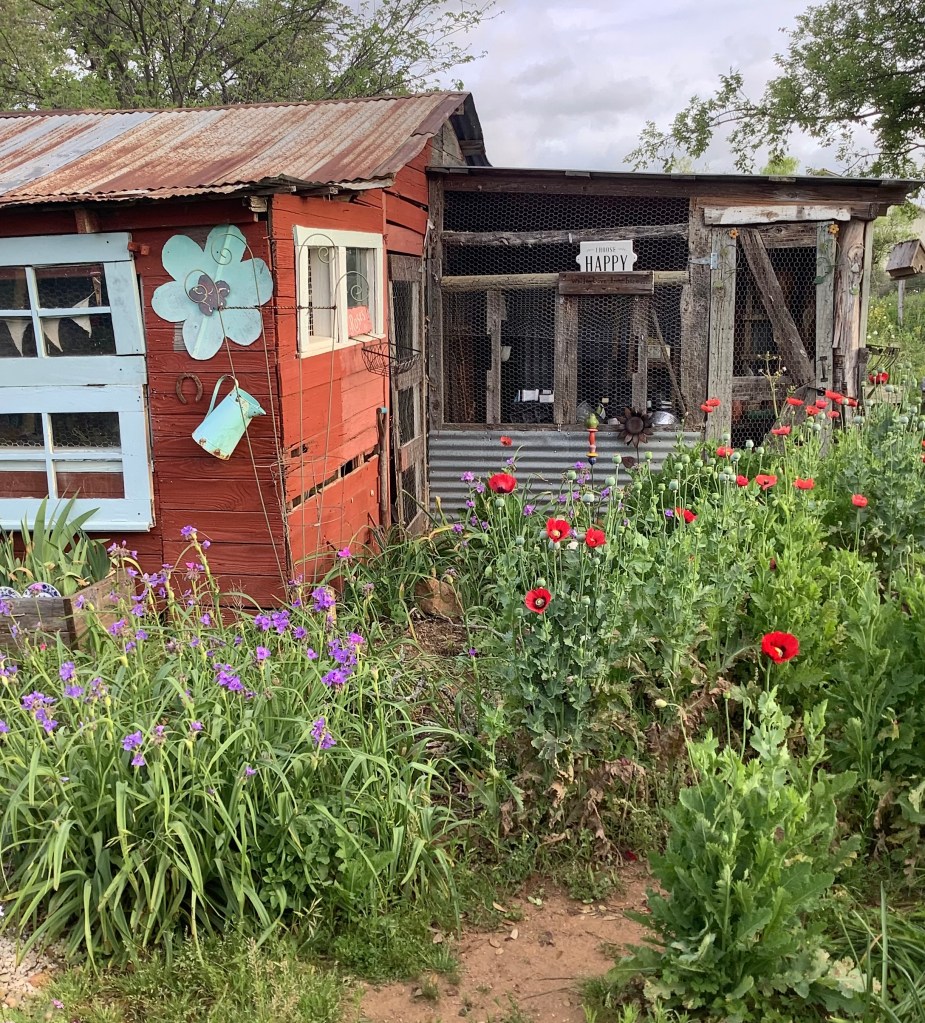
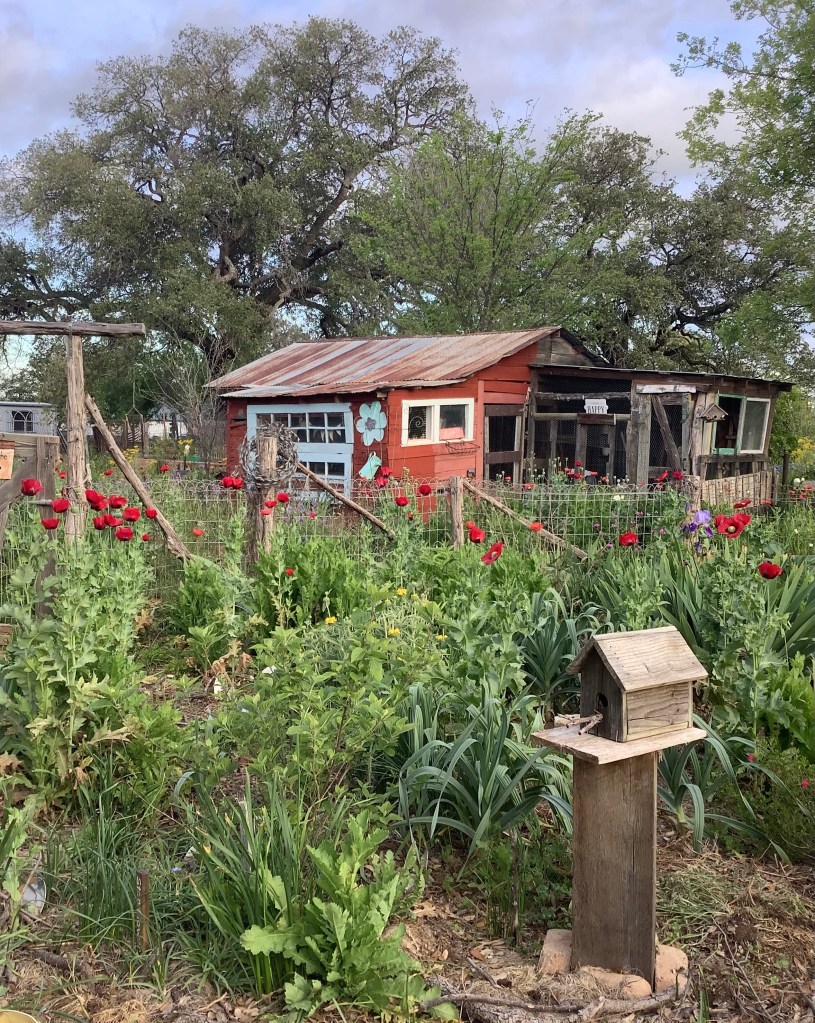
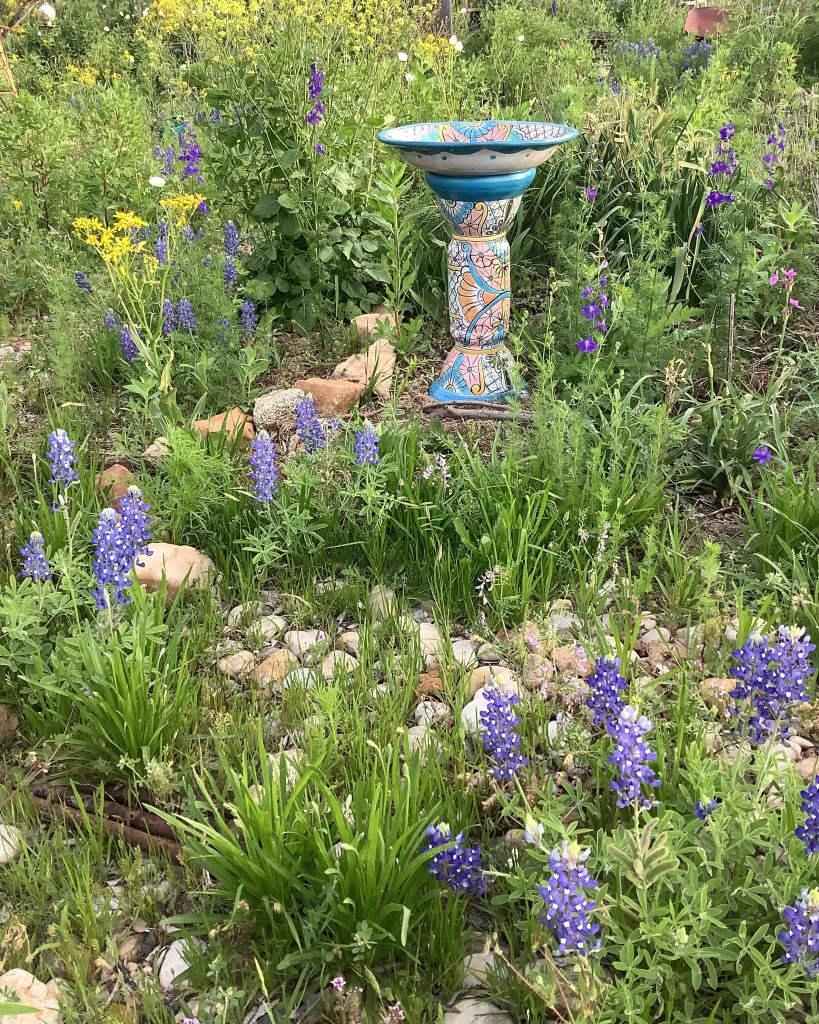
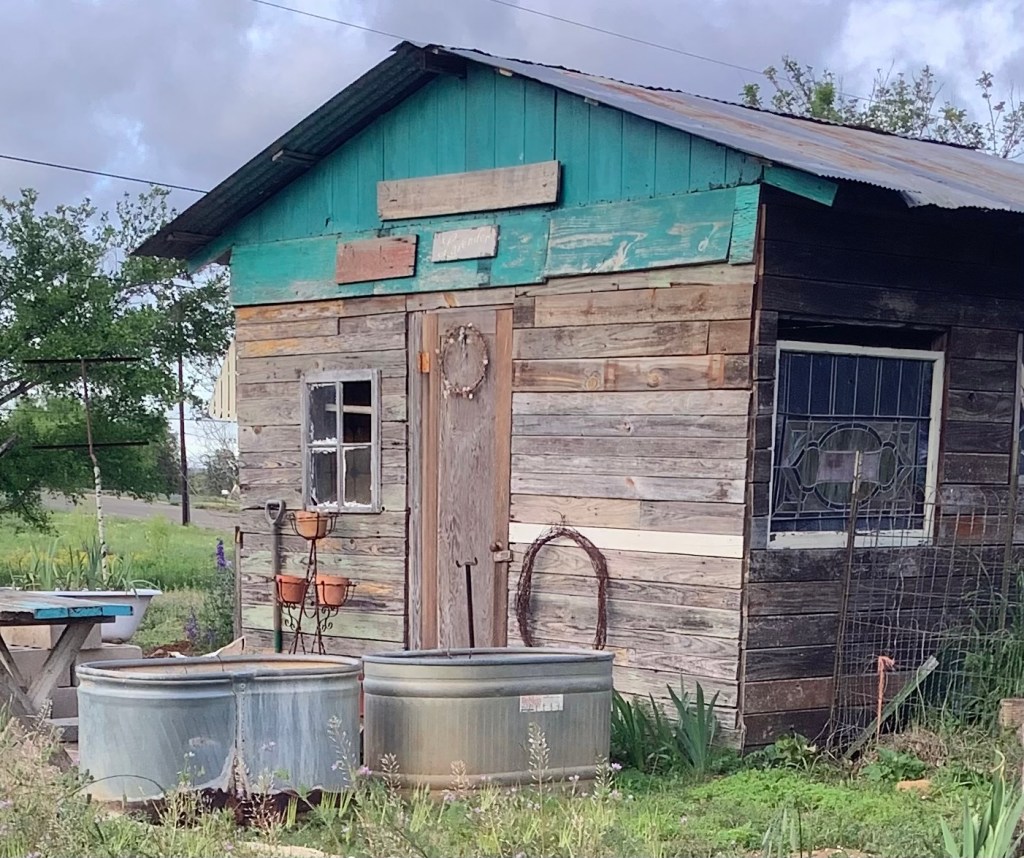
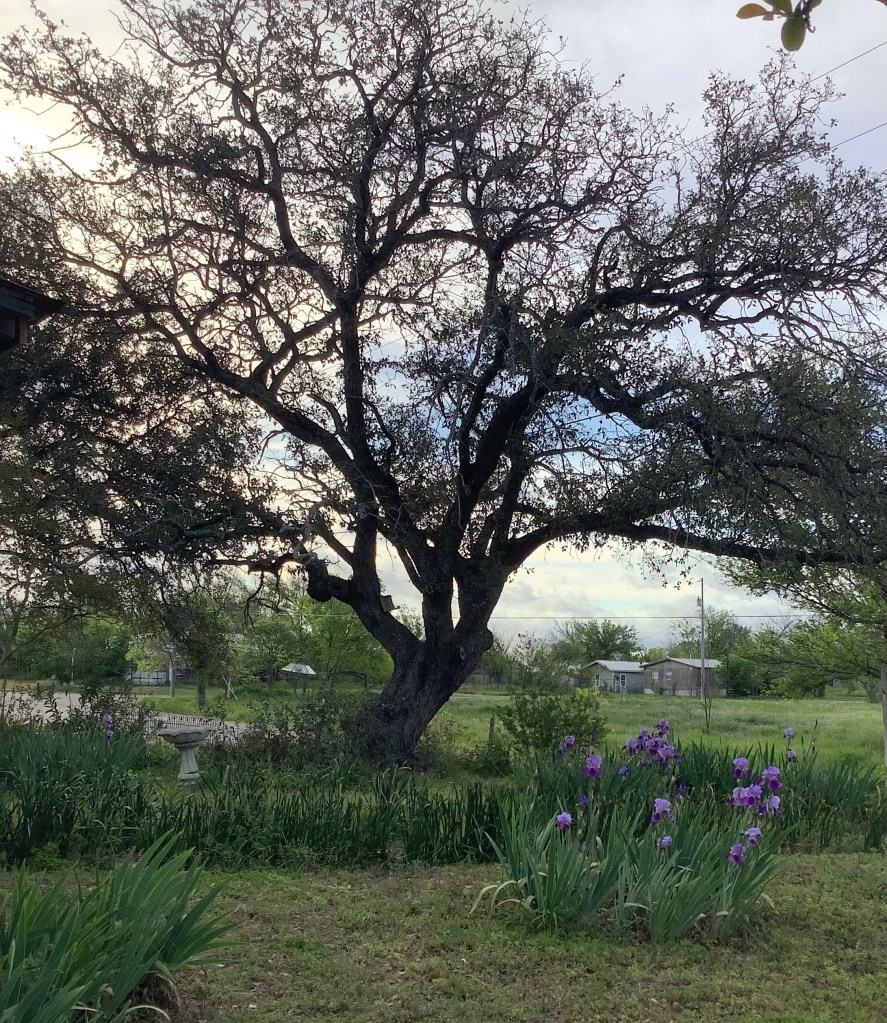
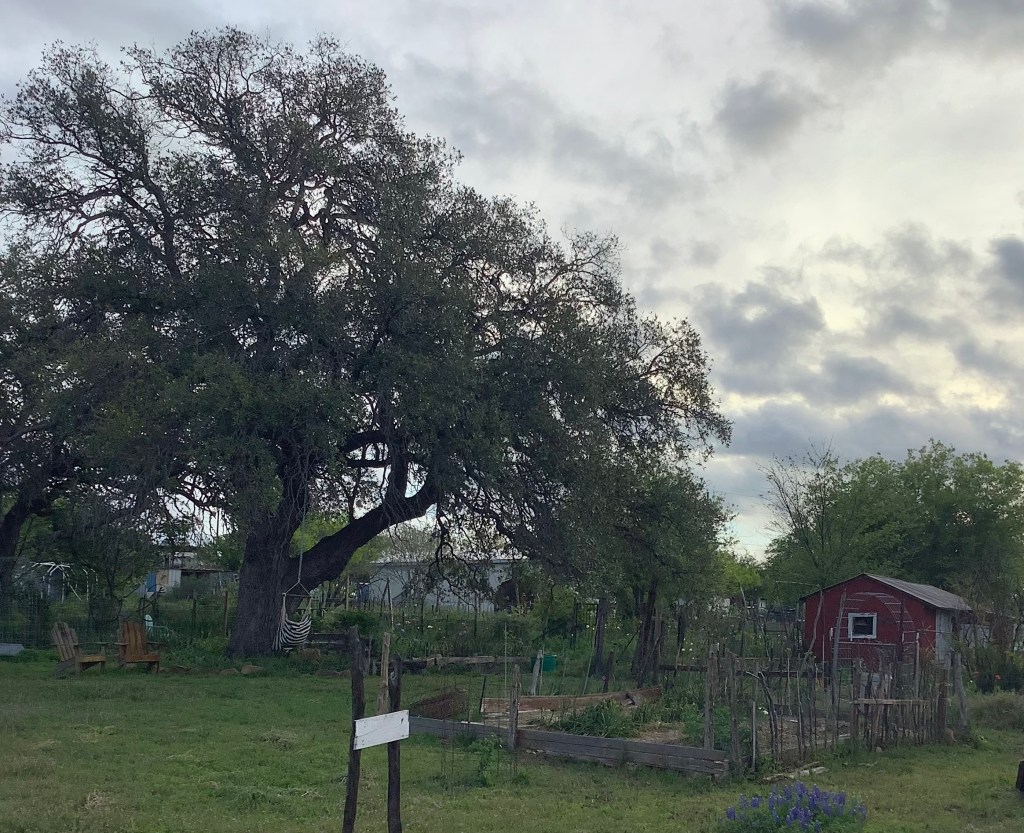
    A place of renewal. The gardens at Agape Haus Studio and Gardem, LLC, are a labor of love. This adventure started with a delapitated old farmhouse, a drug house, ratty chain link fences, weeds and stickers, terrible rocky soil and garbage throughout the grounds. In between a full time music studio, an entire drug house was torn down, weeds were pulled, rocks were removed, gardens were planted and thousands of rescued Heirloom Bulbs were planted. The potting shed was made out of the reclaimed wood from the old farmhouse, 150 year old stained glass windows salvaged from a church and the tin was used from the old drug house.
    The Lord’s hand has been ever present in this project. Many days, my hands are so sore from utter exhaustion, but the Lord gently knudges, with a still, small voice…. “Just Keep Digging.”
    So I do.
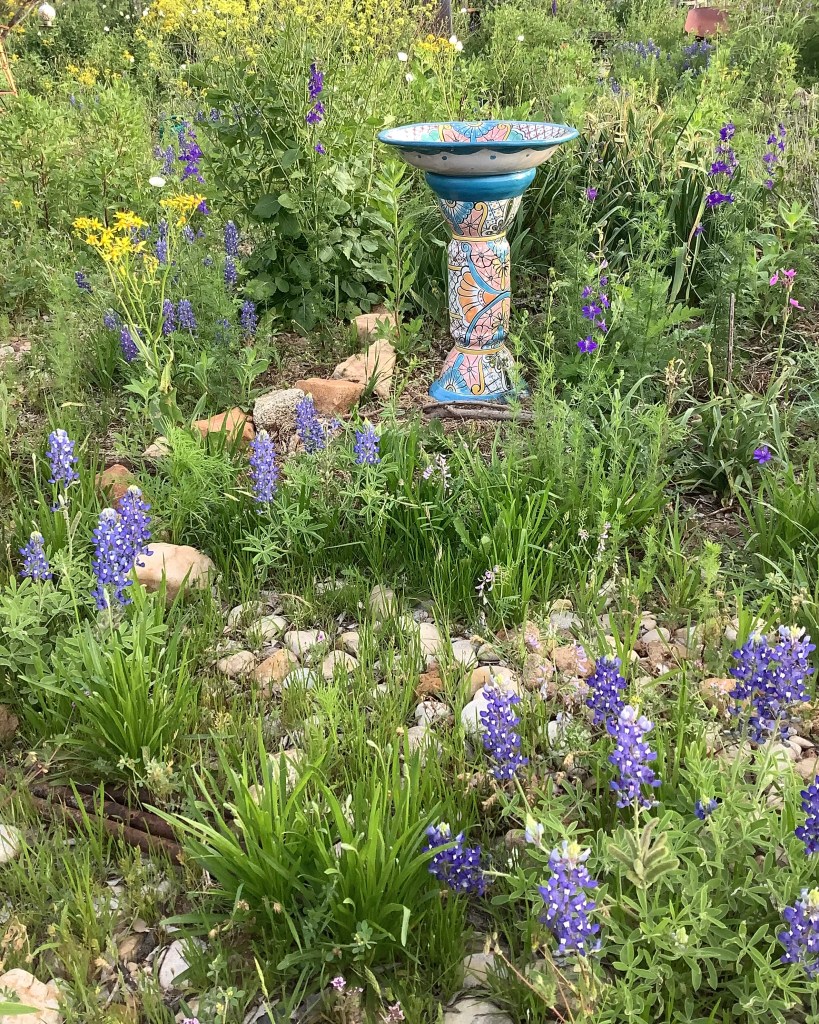
    Please enjoy a simple picturesque walk-through the beauty of complete land and soul redemption. These gardens are old-fashioned, wild cottage gardens…100% organic. I am always happy to share, so come for a visit.
    Happy Gardening, my friends!
    Love, Keenan at Heirloombulbgirl

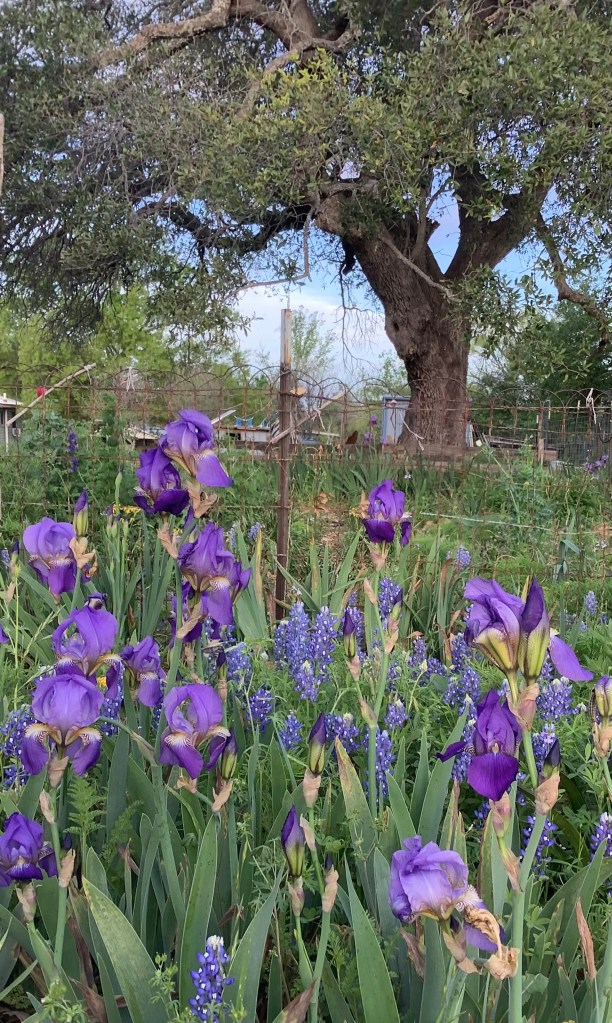
  • 50 Shades of Iris

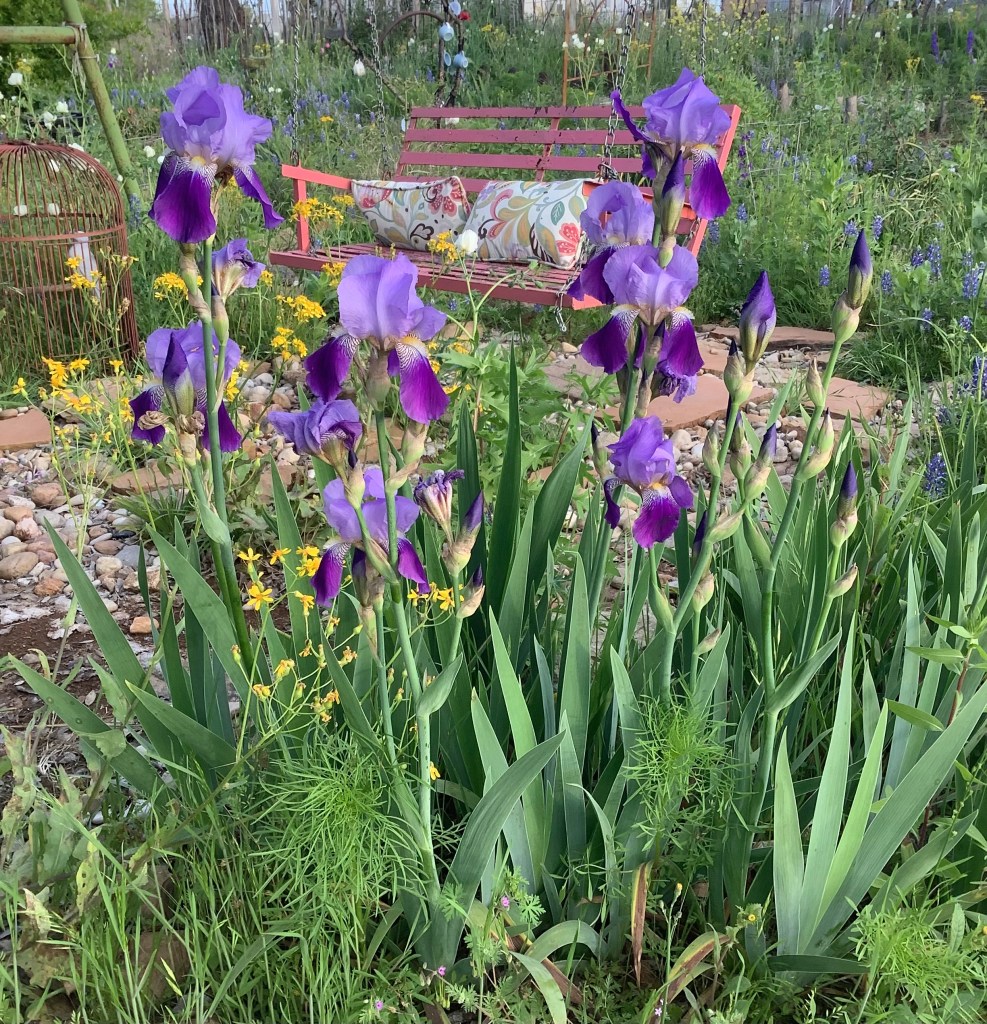
    Few words are needed to describe the sheer enthusiasm Iris brings to the garden. Iris stands tall, announcing loudly to all the world (or at least the rest of the block) that Spring has sprung. Iris come in every color of the rainbow, except gray. Naturally, I am particularly fond of pale or muted shades of Heirloom varieties. My husband’s Grandmother had a beautiful two-toned pale yellows Iris that blooms later in the Spring. I absolutely adore those lovely Iris.

    Iris are extremely tough old gals, surviving natural disasters and neglectful gardeners. I once dug up some Iris, got distracted, and after a few seasons of harsh weather, the Iris bloomed the following year….still in the dug-up clump where I left it. Oops. I’m glad my flowers outlive my stupidity. Maybe that’s why Iris are also known as Cemetery Iris or “Flags” (as the non-Iris collecting commoners call them). True Cemetary Iris are typically white or purple, and can still be found growing in cemeteries throughout the South. All Iris seem to have stories to tell, and many have traveled far and wide to land humbly in my gardens.

    Many of my white Iris are from my In-Law’s farm in East Texas. The Iris are remnants of the German homesteaders that originally lived on the land in the early 1900’s. The only evidence of the old German house is the Iris border in the middle of a horse pasture. Once I discovered the house location, I went on a digging frenzy, locating countless pieces of cool old pieces of china to make mosaics. The beautiful Iris receive no care or attention, except from passing horses or cows. The Iris have bloomed faithfully for over 150 years. White Iris are extremely common, but the stories behind the Iris are unique and dear to my heart….making each plain white Iris a special addition to the garden. I think that every garden should tell a story.

    Some of my favorite purple Iris (not yet in bloom) came to Texas from England in the 1880’s. Few cherished items were allowed on the long journey overseas. Mrs. Franklin chose a corset, a few homemaking necessities and a purple Iris. Their Texas homestead was extremely rough terrain, drastically different from the gardens of England. In fact, the last Comanche Indian raid in Texas was not far from their homestead. My dear friend, the Great-Granddaughter of the Franklins (of the Franklin ranch) gave me a few Iris from the original Franklin ranch house. It is mind boggling to imagine all that the little Iris survived through….droughts, floods, Indian raids, World Wars and The Great Depression. Somehow, surviving it all. The Franklin Iris are bold annd strappy, multiplying readily. These Iris are the “alpha” of my collection, eating small plants and other pests that get in their way.

    I have beautiful yellow, blue and magenta Iris gifted to me from flower friends, some who I’ve never even met. My daughters and their friends began to also have a love affair with Iris, trading my flowers for their own Iris collection. My daughter Hollie once received an Apricot -shaded Iris that she stuck in my garden with rocks around it, keeping *her Iris* segregated from the rest of the rabble that I grew. Over the years, I’ve enjoyed old-fashioned flower swaps with these true “pass-along” flowers. Many Iris come from house tear-downs that I chronicled through the years on my original website blog, which unfortunately is having some technical issues. Hopefully, the stories of these great old gardens will someday be readable again. Until then, I close my eyes and still see the century old beauty. Treasured gardens of Miss Margaret and Eugenia are now long gone, existing only in my mind and in all their flower bulbs that were salvaged.

    I am always happy to share these old flowers with you. The best part of preserving heirloom bulbs is getting these old gals into the hands of gardeners who will love them. Sharing and trading flowers is such a joy, keeping the spirit of Old-Fashioned gardening with Pass-Along plants close to the heart. It’s exactly what Miss Margaret and Eugenia would’ve done. Happy Gardening, my friends!
    Love, Keenan at Heirloombulbgirl

  • The Garden of Givers

    They say it takes thirteen years to establish a garden. Yes, you read that correct…..thirteen years. Establishing a garden isn’t just the fun purchase of your favorite new flower. To establish something is purposeful, hoping for permanence. The established garden is not a man-made forced moment of flower-perfection, but a beautiful habitat for all natural things, blooming for generations to come. These old gardens are givers. The heirloom plants are in it for the long haul. Many of the Heirloom bulbs I salvage are from homesteads that date back to the mid 1800’s. Can you imagine tearing down and ripping out those old gardens?!
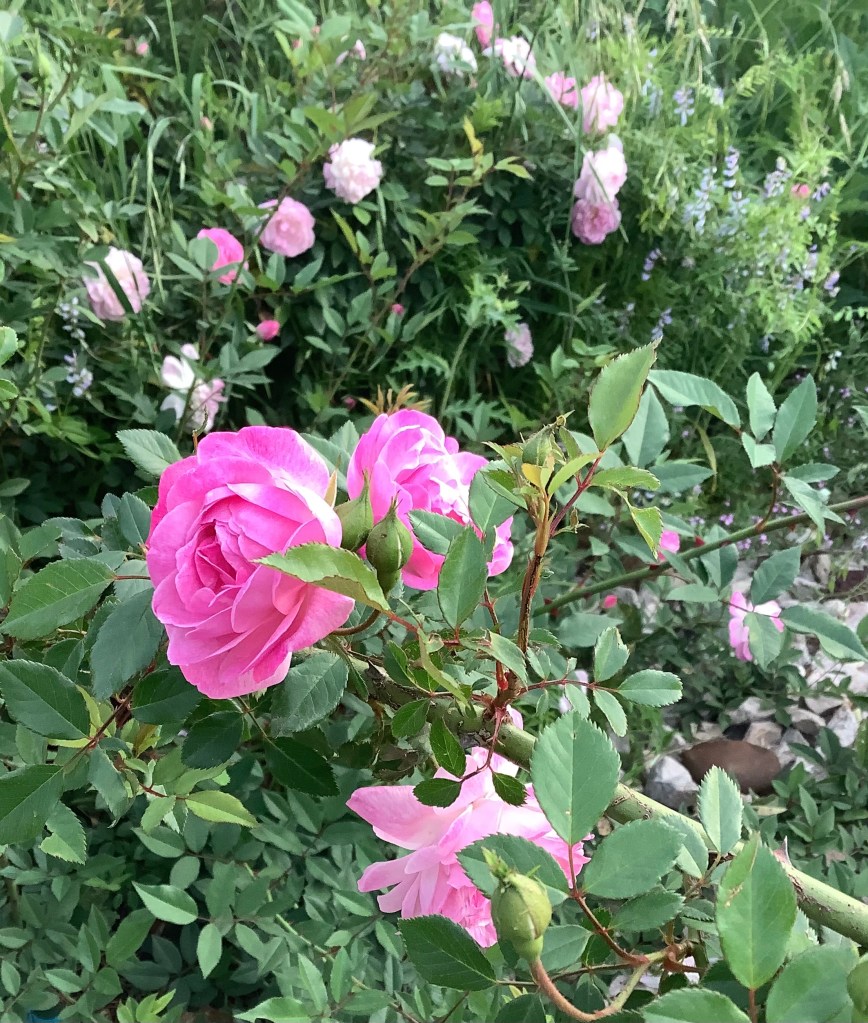
    Tasha Tudor’s gardens are beautiful examples of an established garden. I long to see a day when my young little fledgling-of-a-garden begins to take off and fly on its own. I love to visit old homesteads that are preserved, and I marvel at the old rose varieties and the heirloom beauty that keeps on giving.


    Established plants within those old gardens behave differently than modern store-bought varieties. Take, for instance, the “Queen’s Wreath” Coral Vine, an old Southern favorite. Many gardeners (including my Mother-in-Law) have tried to get this beautiful vine to establish, with little to no success. This particular vine comes to mind because I recently relocated a very old clump that I salvaged years ago. The vine was easily 50 years old. While I dug, I discovered bulbs attached to the roots. I had no idea that Coral Vine was a bulb! After researching, I discovered that in order for a Coral Vine to establish, a bulb is necessary for the vine to survive. The bulb becomes the life line to the old vine….a giver. I find this extremely fascinating. Unfortunately, many old varieties of plants, including Queen’s Wreath, are lost with the modern “progress” of house tear-downs.
    *Side-note*……I’m curious to know if the vine can be split with multiple bulbs, but I’m not brave enough to try. If any of you know the answer, please let me know. 🙂

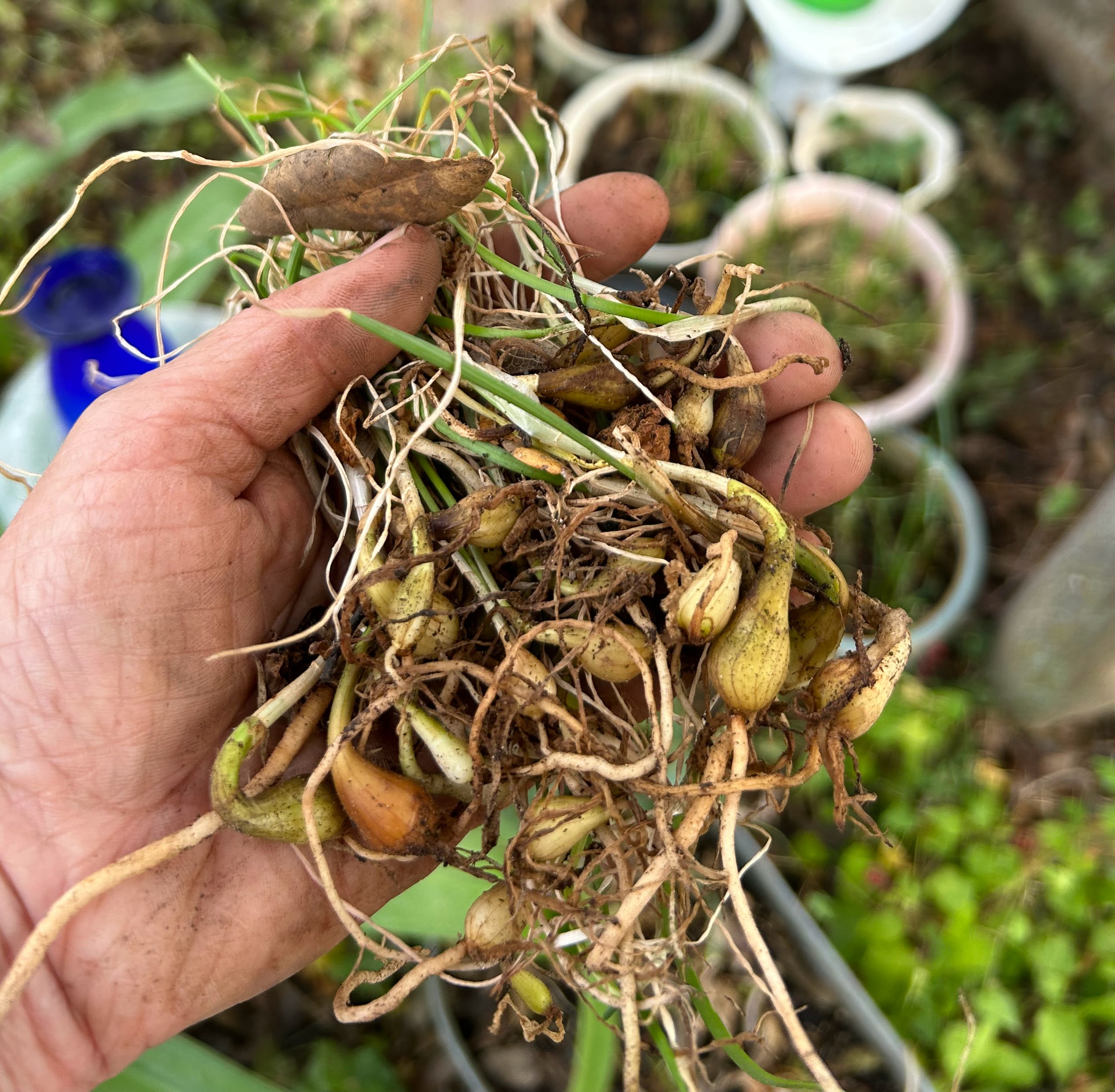
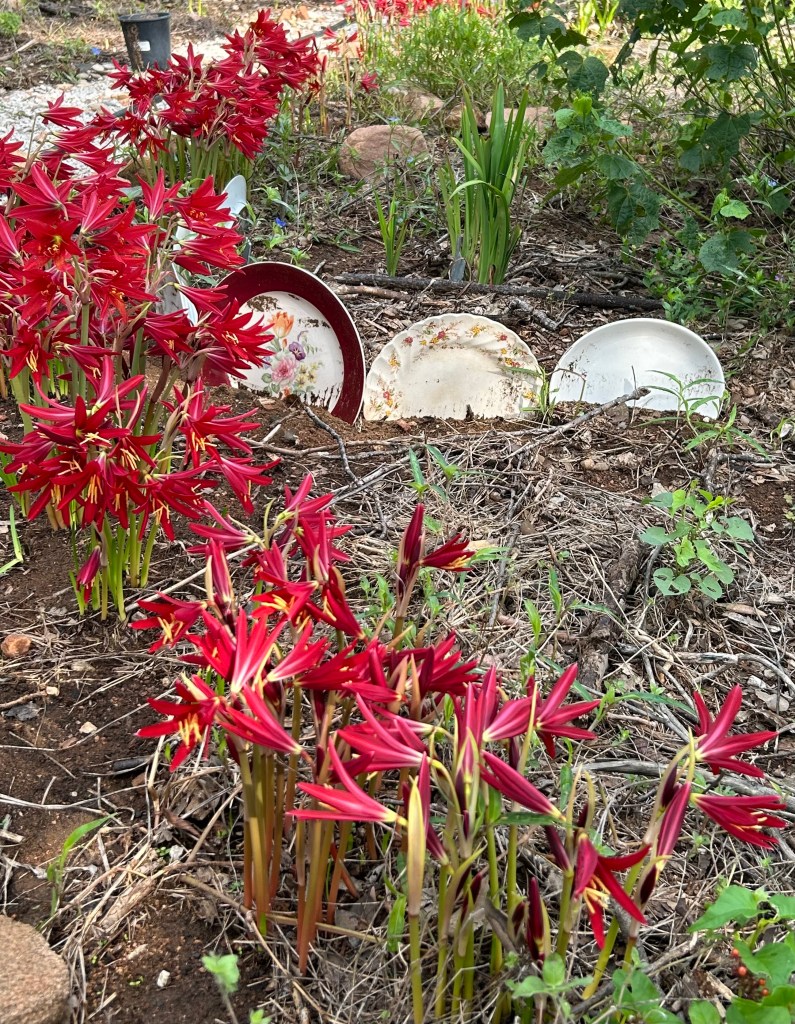
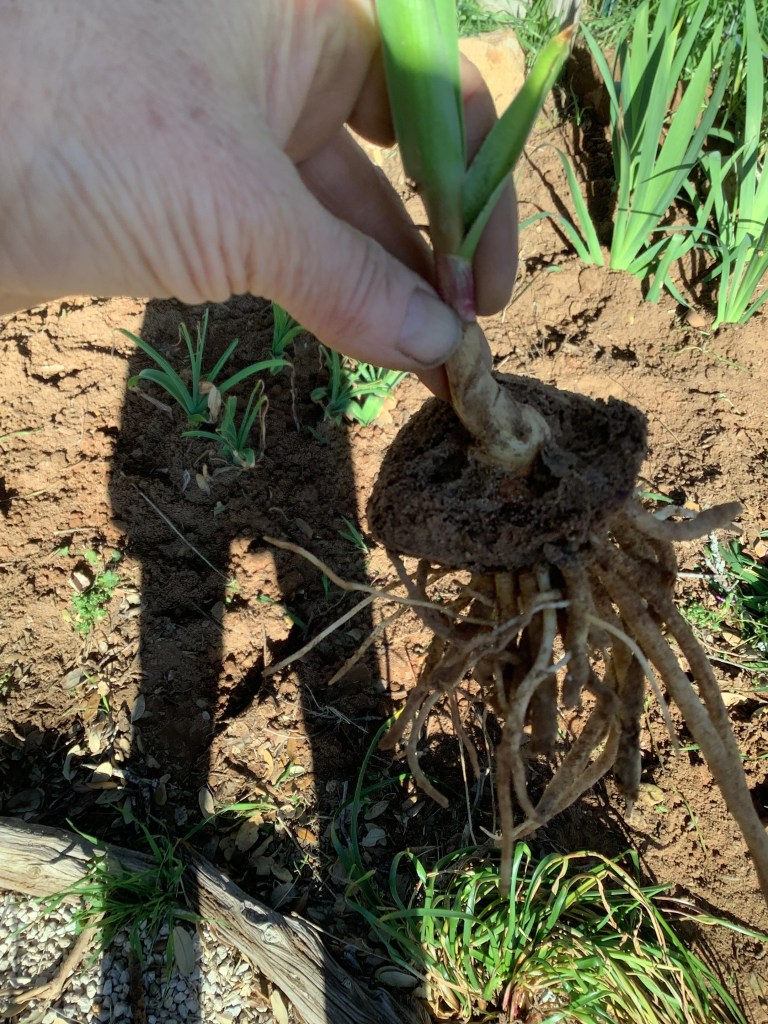
    As I dug the Coral Vine, I stumbled upon a little clump of bulbs near the Coral Vine. When bulbs are damaged during a house teardown, I stick them in any open spot in the garden, and simply hope for the best. If an Oxblood Lily is damaged, the bulb will actually revive itself through creating baby bulbs in it’s place. The parent bulb becomes “a giver” to preserve the bulb’s heritage. In this case, 15 tiny little baby Oxbloods. I love it. I love the fact that even plants take care of their own. I love the fact that old heritage bulbs will outlive you and I, and the beauty of the established flower garden keeps on giving. I love the fact that the preservation of these heirloom beauties is never in vain. When I’m long gone, these flower bulbs will remain, blooming happily for generations to come.
    Deep down, I think that most gardeners are givers, just like the Oxblood Lily, pouring themselves into the next generation of flower lovers. What a great legacy you are leaving. Keep on giving and sowing seeds of beauty.
    Happy Gardening, my friends.

    Love, Keenan at Heirloombulbgirl

  • The First Daffodil of Spring

    New life.
    New beginnings.

    I love Spring.

    Last year, Spring was engulfed by hard, late freezes that froze everything back, plunging the gardens into triple digit temperatures. The plants and bulbs had little time to recover from the stress of the freeze, and immediately were taxed by the extreme early heat of summer. The heat was enough to do the gardens in, but then came the drought. I think I complained daily…..just ask my husband.
    Every Single Day… “Why do we have to live in a desert where nothing grows?!” (Human nature is to play a blame game the minute life gets hard, and boy did I play it! Why is it so easy to forget about the wonderfully beautiful moments in life when we are in a drought?)

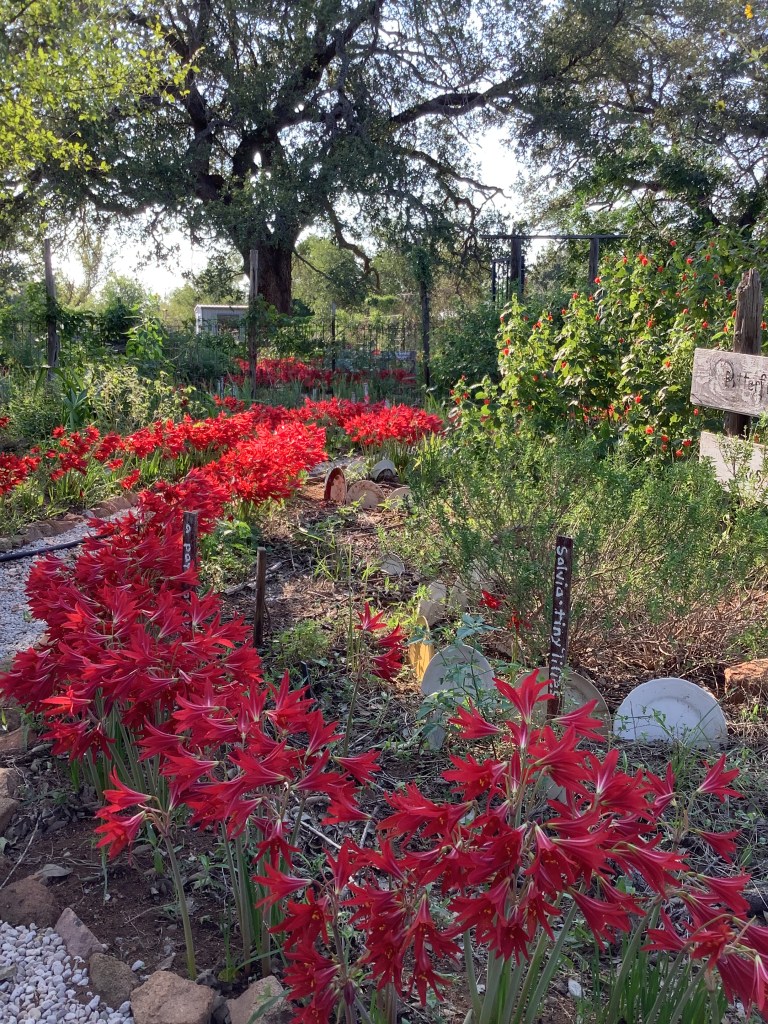
    But, as always, the rain did finally come, and the Oxblood Lilies bloomed. The promise of the cooler temperatures of Fall makes every gardener ecstatic….kind of like way we all feel when Spring finally arrives.

    I don’t know about you, but every day I’m out on my hands and knees looking for new life. Yesterday I spotted blooms of Golden Crocus, Grape Hyacinth, Oxalis and the first purple bloom of Spiderwort. Foliage of countless bulbs are hinting that this Spring will be spectacular. Three years is a long time to wait for anything, let alone Spring blooms!

    A wonderful part of this year’s Spring is the undergrowth of weeds. I know that sounds bizarre, and it probably is, but stay with me. Non-seeding weeds are actually a benefit to your soil. Pull them up and simply create piles of rotting goodness where the weeds used to be. The nutrient-rich piles will deter future weeds from taking over, while the rotting process will encourage microorganisms to find a nice habitat to live in. Worms in the soil will enjoy the incredible benefits of the entire process, while your soil is kept insulated and protected from the elements. Last year, there was no undergrowth due to the drought. My gardens started off the drought with bare soil. I was scraping together any organic material I could find to pile on the earth….Live Oak branches from neighbors’ brush piles, hay, newspaper and cardboard and leaves from empty lots. I even went as far as taking my little lawn mower to an open field with Live Oaks, and mowing to collect the fallen leaf debris. Like I’ve said many times, the soil at my studio is AWFUL….but this Spring, I have hope in all new beginnings. I have found earthworms for the first time in some places, and the mere fact that I have an undergrowth of healthy, non-thorny stickers is a huge step into the land of a healthy garden.
    They say it takes 13 years to establish a garden. In some parts of my garden, I am on year two. But then, combine that with the lack of good soil and mathematically, I am x=13-2ps+kw(5th). That is, 13 years-2 years, subtract the years of poor soil, but adding Keenan’s work to the 5th power. In other words, I have a lot to do.

    Spring.
    New Beginnings. New blooms. Every single new beautiful day is worthy of rejoicing.
    Happy Gardening, my garden friends!

    Love, Keenan at Heirloombulbgirl

  • An Oxblood Lily from Miss Margaret’s Garden

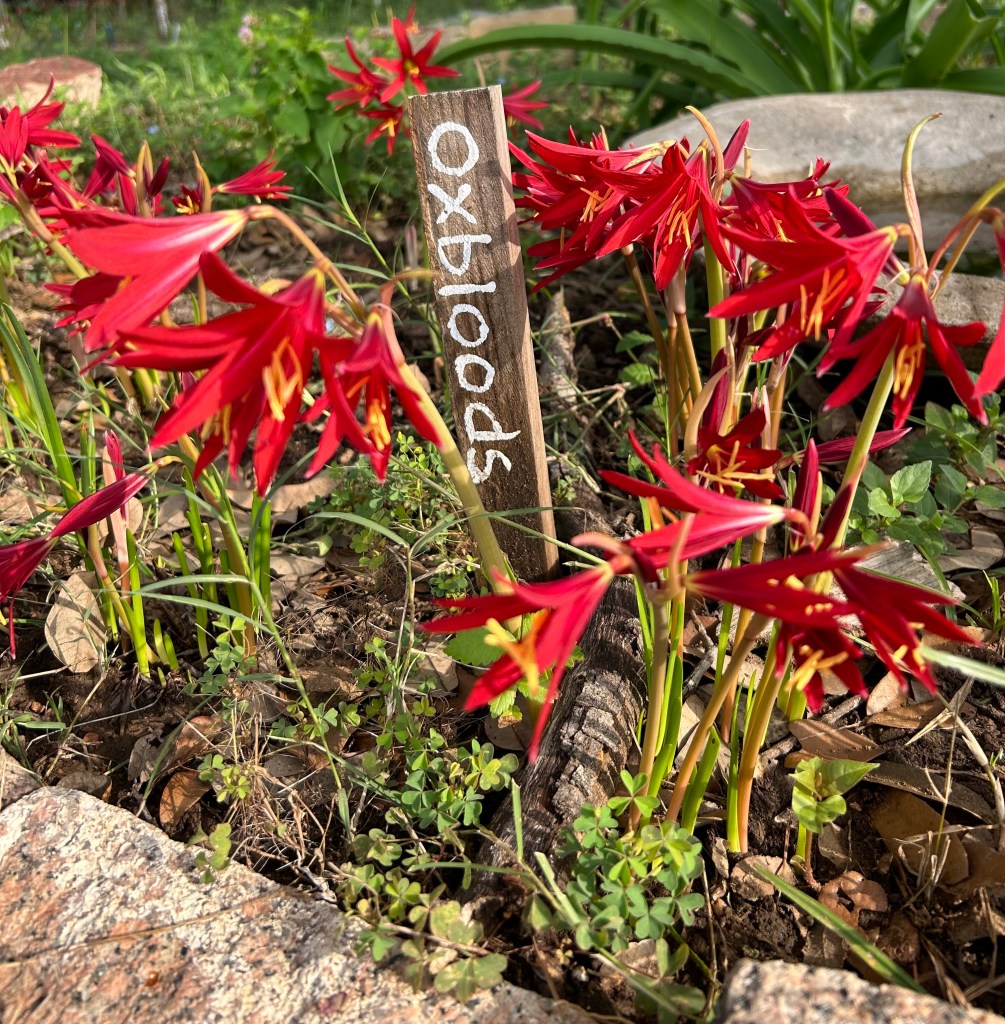
    I spent the last few days moving Oxblood Lilies. Typically when I salvage bulbs from a tear-down, I stick them anywhere I can find an open spot in the garden. Later, I might go back to “decorate” the garden landscape with the bulbs in their “forever homes” (or at least, their home until I get bored). Each clump of Oxbloods is unique due to the age of the bulb or the growing conditions. One particular clump of Oxbloods caught my eye. The original parent bulb was in the middle, warmly surrounded by a beautiful family of healthy bulbs….nine offshoot bulbs, to be exact. Some clumps look like the bulbs are being suffocated….but not this clump. It looked perfectly happy to share its life with the offshoots, and all 10 bulbs were happy and healthy.

    The sheer vigor and fortitude of the Heiloom Oxblood Lily is truly untouchable by other lily bulbs. Scott Ogden once said that the Oxblood is the hardiest of all Southern Bulbs, and I absolutely agree with him. I’ve seen Oxbloods grow through cement rubble of house tear-downs, compacted earth from bulldozer tracks, drought-stricken land, and the list goes on and on. Oxblood Lilies are survivors. Let’s face it….we all need survivors in our life. Over the years, I’ve learned a lot from the Oxblood Lily. Through seasons of drought, gardeners throughout the South are reminded of the redemptive beauty found after the first rain of Fall.

    Oxblood Lilies originally traveled to the United States by way of their German immigrants. These lilies can still be found growing alongside old homesteads throughout the South.
    It is simply incredible to see a flower bulb survive throughout the 1900’s. Old gardens become a direct link to the past…to the days of pass-along plants and quiet cups of tea shared among garden friends.

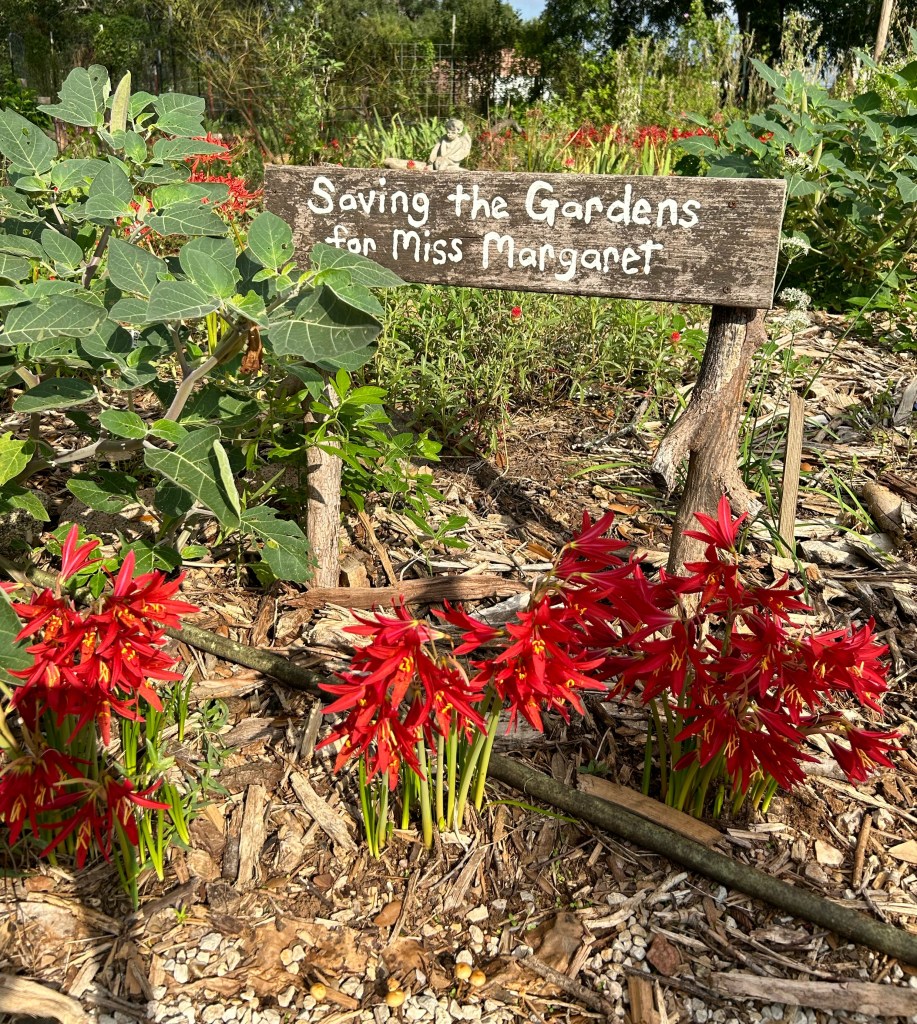
    This lovely Oxblood was one of the bulbs rescued from Miss Margaret’s former home in Rockdale, Texas. Years ago, I wrote an article about the house in Heirloom Gardener Magazine entitled Saving the Gardens for Miss Margaret. If I knew how to link the article, I would….but Sorry, folks. This is about as tech-savvy as I get. Needless to say, Miss Margaret’s lovely gardens are now a parking lot for the police station. The beautiful historic three story house was torn down to make way for the police station. The original stained-glass filled house was built in the 1800’s. After Miss Margaret passed, the house deteriorated beyond repair. Before the tear down, I dug countless times. I was able to preserve thousands of her treasured Heirloom Bulbs. It makes me almost physically ill to watch century old flowers like this end their beauty, trapped under cement lots. Unfortunately, that happens frequently through the modern progress of rural development. I’ve been determined to save as many Heirloom Bulbs from old homestead tear-downs as I can.

    Each Heirloom Oxblood gives redemption to the garden. If you would like to have an Oxblood Lily from Miss Margaret’s garden, please let me know. I’m happy to share with you. Or you can order flower bulbs from Heirloombulbgirl on Etsy. All proceeds go directly back into the gardens. 
    Happy Gardening, my friends!
    Love, Keenan at Heirloombulbgirl

  • Bloom in the Freeze

    Another hard freeze came our way…just in time to wipe out all the Paperwhites that are in bloom. Nature is funny that way. If I had a dollar for every time a flower bulb was *just about to bloom* but nature stepped in and wiped it all out, I’d be rich. It’s hard to watch precious flower bulbs have set backs. It’s hard to watch people have set backs too. I suppose we all have moments in our lives when life’s uncontrollable events hinder our instinct to bloom. I read once that people are like stained glass. It is easy to be beautiful when the sun is out and everything is shining. It’s hard to actually shine in the darkness.

    For the last three years, Winter has delivered hard freezes at the exact same time my Paperwhites bloom. If I didn’t know better, I’d say that nature is trying to teach me something. This year, I got wise and covered many of the blooming bulbs with large plastic flower pots. Two days ago, I removed the covering pots to find the bulbs were happy and snuggly….blooms perfectly healthy. What I didn’t realize was that another hard freeze was scheduled that night. The freeze proceeded to wipe all the bulbs out. Nature is funny. Although the heirloom bulbs won’t die from a freeze, I lose the beautiful bloom that happens only once a year. What exactly is the moral of this story? Dig up the Paperwhites and throw them in the compost heap? Give up? Be like dingy stained glass, refusing to bloom in the freezing darkness?

    I don’t think gardeners plant flowers for the moments of perfection. I think most of us like to watch things grow. We learn about ourselves through nurturing our gardens. Our hearts delight in watching a prized cabbage rose bloom for the first time after a long battle with thrips, and our hearts break in the loss of a cherished heirloom bulb, eaten by gophers. Gardeners stay the course, for better or for worse and against all odds, simply to bring natural beauty to dark, technology-driven world. Gardeners are stained glass folks who *choose* to bloom in the darkness. Maybe that’s why I grow flower bulbs….I need to be reminded each and every day to bloom in spite of my circumstances.

    ”The steadfast love of the Lord never ceases.
    His mercies never come to an end.
    They are new every morning.
    Great is Thy faithfulness, oh Lord.”

    This morning, the weather is in the teens. All Paperwhites have frozen back, but my heart is not defeated. My thoughts are already planning to rearrange the areas with Paperwhites, to make the covering-process more accessible. I am also gearing up for the Spring Bloom, hoping to order some more daffodils from Southern Bulb Company, and some heirloom dahlias from Old House Gardens. Life continues on and next year, I won’t be caught off guard for the surprise freeze.

    Happy Gardening. my friends! Keenan at Heirloombulbgirl