Blog

  • The “Self Care” of a Nurturing Garden

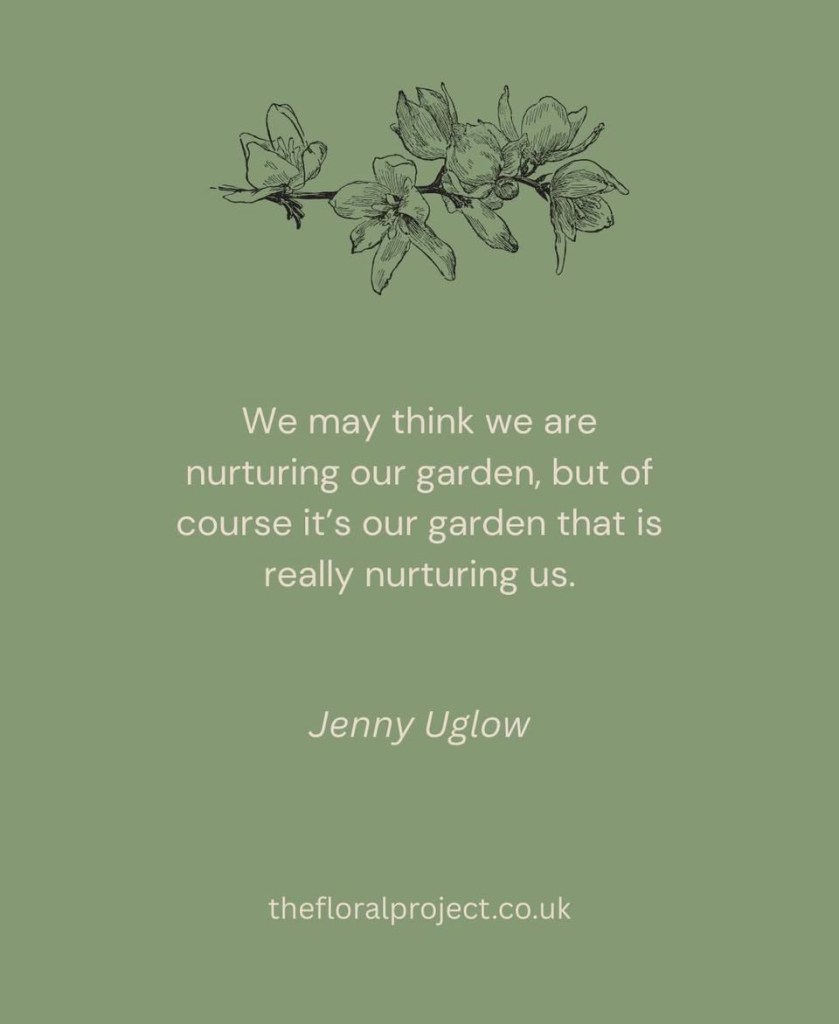
    When I read this quote, my favorite hobby was immediately catapulted into a whole new level of appreciation. I now have a good and justifiable reason to buy that new antique rose bush….it’s “self care”. I have an excuse for being 20 minutes late from surveying the gardens….it’s “self care”. I have a reason for trashing my car out with plant debris or dirt.

    ”Ma’am, are you SURE you don’t need me to put plastic down to protect your car?”

    Well, maybe NOT a reason for the messy car, but I’m sure you are tracking. I couldn’t be happier that my beautiful time-consuming, thought-provoking, money-spending, body-aching hobby is actually considered “self care”!

    In case you aren’t a gardener, an example of non-gardening “self care” is a manicure (or so I’ve been told). A lot of women find manicures relaxing, soothing and a beautiful time to recharge. Manicures aren’t super expensive, and there is an entire sub-culture that receive manicures on a regular basis. Society doesn’t question this past time or even find slathering some hot pink fake nails on tips of fingers illogical.
    Unfortunately, as a violinist, I had to find an alternative solution to reset my soul. Even before I was a professional violinist, I never got into manicures. Occasionally, some of my teenage students come into violin lessons sporting their hot pink fake nails. Students quickly discover the displeasure I have for “fake” and the shade of “hot pink” (unless it’s a Zinnia). Alas, some of us are simply doomed to find other ways to soothe our souls.
    Thank goodness that gardening is a great source of soul-soothing “self care”!

    The idea of “self care” became a conversational topic in the 21st century. I honestly can’t remember a time when my parents talked about their need to for “self care”. They just grinded away, focusing on grocery lists, daily chores and keeping my brother and I from licking Peony sap. My brother and I walked home from school and/or music lessons to an evening of free time and good food to eat. Our home was small and we had a relatively quiet, stress-free life. We played outside come snow or sleet, rain or fog, sunshine or cloudy days. There was no need to talk about “self care” because we had no cares in the world. Life was simple, and we liked it that way.
    Then, everything changed within a few decades. Homes were bigger, children were scheduled, jobs were stressful and the idea of free time became akin to lazy time. No time was left unspent. Hurry here, hurry there! Then came the internet, and well, the world changed in the click of a mouse. Just like that, the desperate need for “self care” was born.
    Again, thank goodness that gardening is such a soul-soothing self care!

    I am grateful for the quiet moments when I can escape the stresses of life.

    I am grateful to simply plant a seed potato that may or may not even produce.

    I am grateful for the natural beauty that washes over me and rejuvenates me.

    I am grateful for my little plot of earth that restores my soul.

    Gardening isn’t just about the end result of a well-manicured landscape. Gardening is the restorative process that is found in the moments spent in peace. Within the quiet moments of placing your hands in the dirt, you will begin to feel the nurturing effects of nature. Gardening is nurturing something that isn’t about yourself. In those moments of nurturing, you become nurtured. And that, my friends, is a way better way to “self care” than any hot pink manicure could ever give…….

    But I’m a gardener so I’m biased. 🙂

    Happy Gardening, my friends!


  • Simple Pleasures

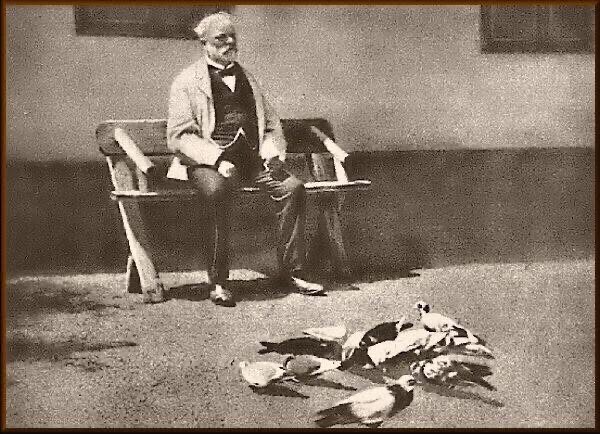
    Not much to see here… Just one of the greatest composers of the 20th century feeding pigeons in a park.

    When I think of Antonin Dvorak, pigeons rarely come to mind. I recently performed his masterpiece, the “American Quintet”. This quintet contained so much color and rich musical ideas, almost as if Dvorak was describing his experiences through musical words, directly to his listener. His expressions of life were rich, haunting and profound. There was no shallow thought in Dvorak.
    I wish I could say the same…

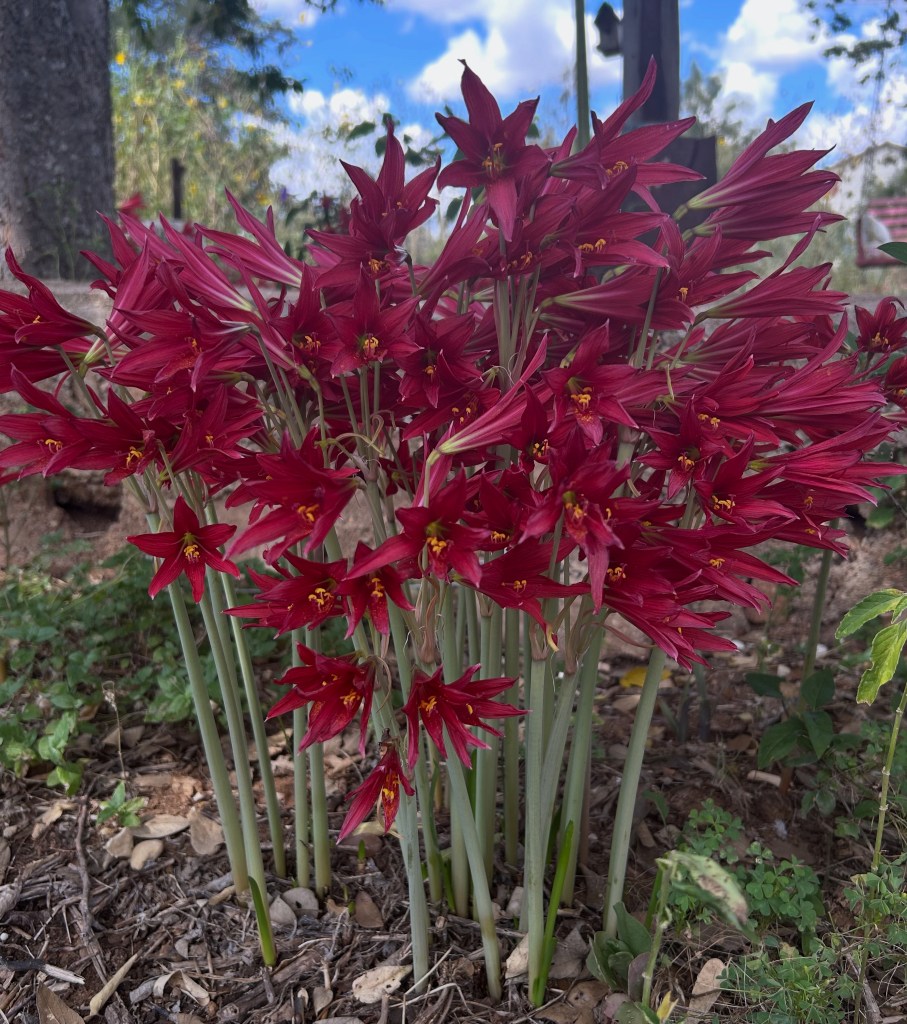
    I have found the distractions in our fast-paced, social media driven, frenzied world gets in my way on a daily basis. Instead of sitting and feeding the pigeons, taking time to simply ponder and think, I look at the dumb phone for notifications. I have been rattled endlessly with an overstimulating amount of nonsensical useless bits of information. Deep down, I don’t really care about keeping up with the Jones, but yet there I was..checking my day to day stats on my Instagram reels. Honestly, who cares if someone I don’t even know likes my little reel on my baby Oxblood Lilies I started from seed? Where’s the depth? Where’s the time to just sit and ponder? Where are the pigeons?

    So I deleted Instagram and Facebook off my phone.

    No more checking. No more reels. No more stats. No more trying to impress all the unknown readers or viewers. No more time suckers and no more brain rot.

    Just quiet.

    It’s amazing the difference I already feel. I actually have moments in my day to ponder and reflect. Heck, I might even put some piles of music away in the studio (let’s not get crazy!) I feel a sense of calm that I haven’t felt in a while. Let’s face it, trying to “keep calm and carry on” is virtually impossible when every second of every day is completely accounted for. How mentally exhausting! So for me, someone who desperately needs the simple pleasures in life, I started the elimination process with the first main distraction culprit. The dumb phone.

    My next goal is to get a watch. Again, let’s not go crazy. I am, after all, a product of my artist-Father who never checked the time a day in his life. Baby steps….

    Anyhow, love to you all. If you need me, I will be finding the time for the simple pleasures in life. I’m going to buy more bird seed today, hoping to woo some pigeons back to the Agape Haus Music Studio.

    Happy Gardening, my friends!

  • A Southern-Style Blanket of Ice (even ice storms are bigger in Texas)

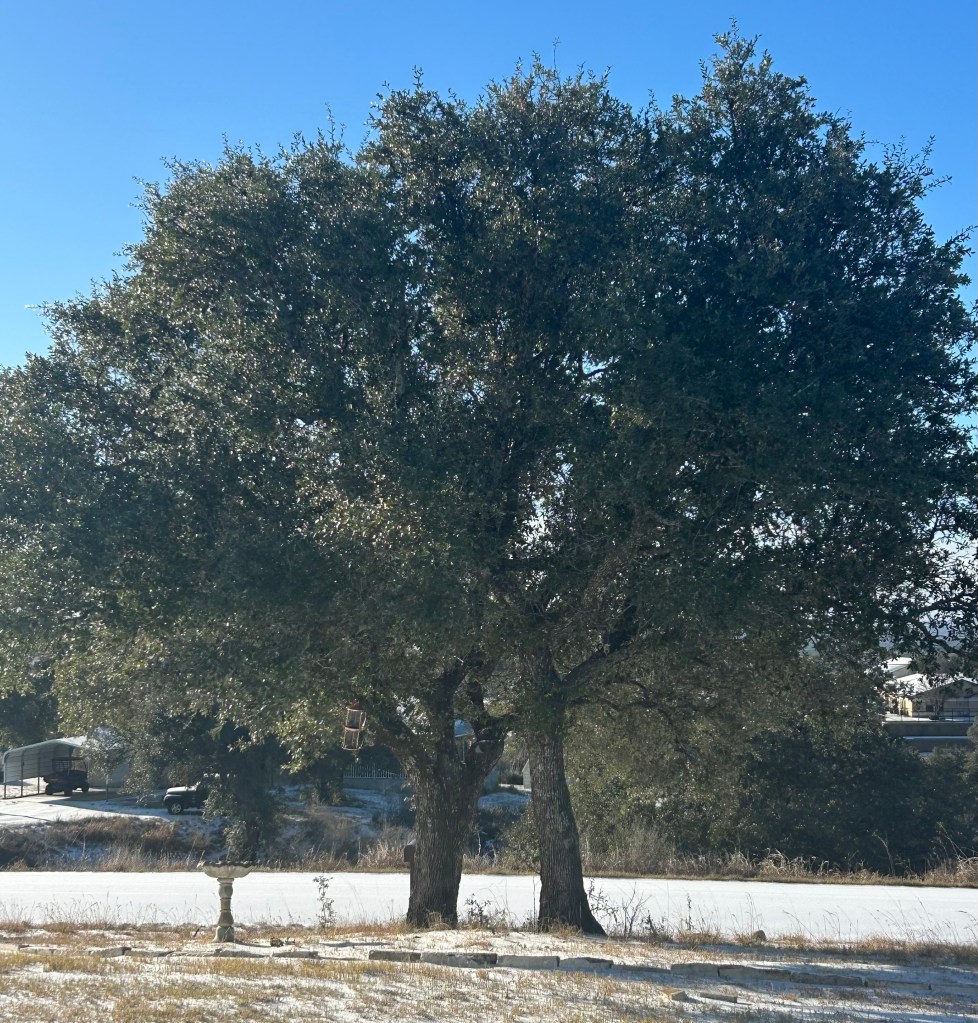
    When I looked out the window, I would’ve thought I was back in Montana. Everything was a blanket of white. The neighborhood kids had their sleds and parents stood by in their warm fluffy coats. I even noticed my husband within the gang of sledders. I stayed inside, happily sipping on hot cocoa, nestled under a cozy blanket with my pup.
    Texas winters have a few deep freezes, which are commonly described as “chill-to-the-bone” Arctic blasts. I don’t quite understand how frigid these storms really do feel. I could snow ski in shorts in Montana, and yet unable to walk outside for fear of frost bite in a Texas freeze. But alas, here we are….another Texas freeze in the books. Most of Texas was covered in ice, and we were all stuck inside for days. Schools were cancelled, shops were closed, fires in fireplaces roared and it felt like Christmas all over again.

    For years, I debated about whether or not to cover my plants and bulbs. I grow Heirloom Bulbs after all, and they are tough old gals! Quite honestly, it’s a lot of work to cover everything, and I’m lazy. Over the last few years, I’ve changed my tune. I realized that even though most bulbs will not be killed in a freeze, the foliage is hit hard. Foliage is the energy for the next year’s flower, and I’ve decided I am through with waiting an entire year for my beloved blooms…so I got to work. I spent about three hours covering bulbs and favorite perennials with flower pots.

    When I ran out of pots, I piled straw on top of the bulbs to completely cover the foliage, creating a natural trough for the local deer. That wasn’t one of my finer moments in the garden. In fact, the first day back after the freeze, I arrived at the studio to find a fattened young buck hanging out in my Crinum bed. He looked at me as if I had just interrupted something. Eventually, the deer realized that this was MY house and garden, and left the same way he came in…effortlessly hoping my fence. The young buck left some nice piles of poo-pellets in my pathway as a flex to show me who is really in control. Next Spring, he will definitely have the last laugh as I am pulling up all the weeds he left in my pathway.

    I’ve spent the last few days taking the pots off the plants and giving the plants fresh air. Everyone in the garden did well, except the store bought chives. I left one plant uncovered as a test run of hardiness, which was the only chive that looked remotely happy after the freeze. Plants are weird…..

    This weekend, my goal is to remove all the straw and toss it in the natural butterfly and bird wildflower habitat I am trying to create. Maybe the deer will get the clear understanding that they are not welcome back in the gardens for dinner.

    I hope your gardens fared well throughout the freeze. I’m definitely ordering freeze cloth for the next go around. 🙂

    Happy Gardening, my friends!
  • The Texas Pomegranate

    Some of you know, but most of you don’t, the disgusting soil I have to work with at the studio. Even the word “soil” to describe the studio grounds is being grossly negligent as a writer. Perhaps I should describe my land in politically correct terms…the land is “soil-deprived”, or an “enriched-deficient” plot of horror. Most gardeners would run and hide from the catastrophic elements that are continually at war against gardening. Whether it be moles and gophers, rock and rubble, thermal hot spots in drought conditions or just a plain thorny sticker crop. I simply can’t catch a break. Except in the rare moments when I get to look upon a job well done. Inspiration overrides all seasons of exhaustion and frustration, and I simply get to hold the fruit of my labor. And oh, how sweet it is!

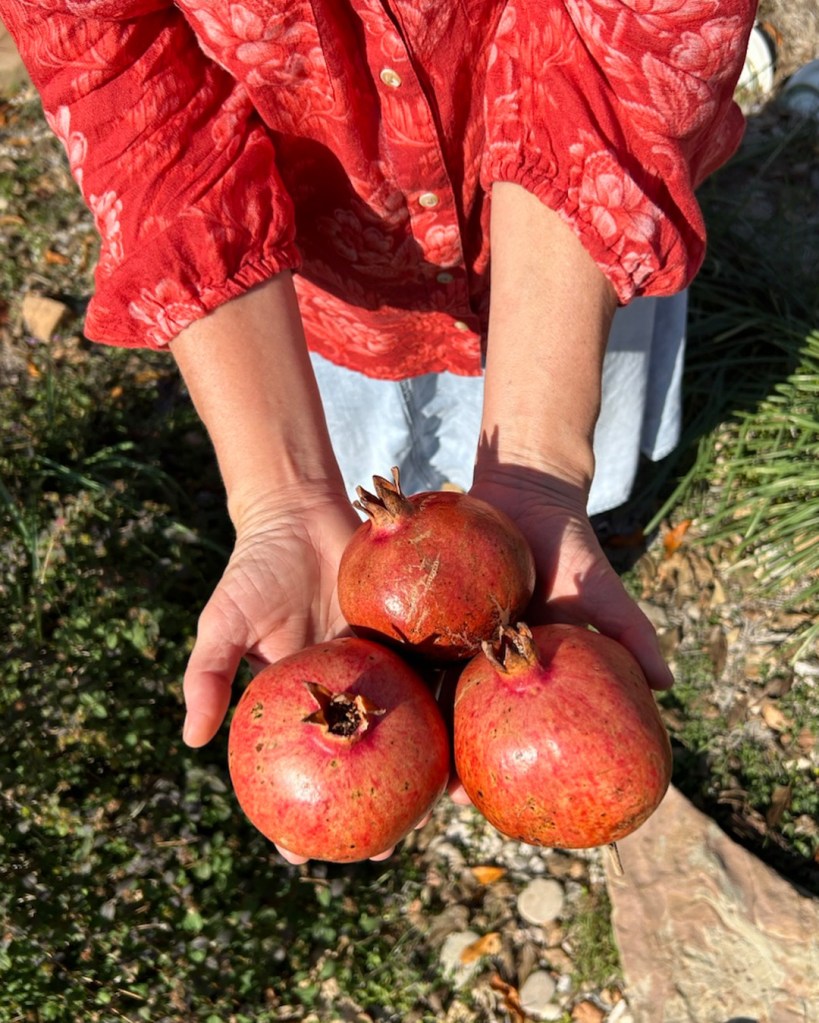
    The Texas Pomegranate is truly something to behold. I call it the Texas Pomegranate because I honestly don’t know what variety this beautiful tree is. I received the tree as a gift when I first bought the music studio. Apple John, a dear friend and mandolin extraordinaire, has an Apple Orchard deep in the Texas Hill Country. John also cultivates Pomegranate Trees. This tree was one of the first plants that found a home at the studio. The Pomegranate became a landmark in the garden, planting all shrubs, flowers and Heirloom Bulbs around it. When cherished plants died in times of drought, the pomegranate grew only stronger.

    ”Is that all you got?!”

    The Texas Pomegranate is also unscathed by destructive critters that lurk underground. For a few years, I had a beautiful antique rose that nestled herself up to the pomegranate tree. Then one day her roots were completely chewed up. Once again, the Pomegranate grew only stronger. It honestly doesn’t make sense how the palate of a gopher can be so refined as to distinguish between the roots of a salvia or rose!

    I’m not a gardening expert on much, but I do take notice the drought-hardy plants that thrive in lousy soil. The Texas Pomegranate is one of those jewels. For great native plants, I shop at Greensleeves Nursery in Pflugerville, Friendly Natives in Fredericksburg, Backbone Nursery in Marble Falls, or The Natural Gardener and Barton Springs Nursery, both in Austin. I love each of these shops for different reasons. The mainstay is to shop a local plant nursery that focuses on native plants for your area. DO NOT SHOP BIG BOX STORES FOR YOUR TEXAS POMEGRANATE TREE OR ANYTHING FOR THAT MATTER. (Notice all caps? I’m a bit passionate about supporting small garden shops!)

    Happy Gardening, my friends!

  • Redemption for Matilda’s Garden

    So many thoughts…
    My mind is full but my words are empty.

    I can only see the sweet face of Matilda, the young 10 year old child of the recent attacks on Jews in Australia. I decided to write this little blog in Matilda’s honor. A garden of redemption for this beautiful child. Perhaps it will ignite a fire for redemption in your garden.

    Redemption happens when we become aware, keenly aware, of an environment that has become hostile to anything that is good and pure. The world tells us that “good and pure” is objective, but killing an innocent child is not. There is no explanation for that horrific, disgusting act of brutality. What kind of god (notice the lower case g) would call the action of that? Not the Lord of Heaven. It’s time to redeem. It is time to stand up against what is wrong and protect what is good.

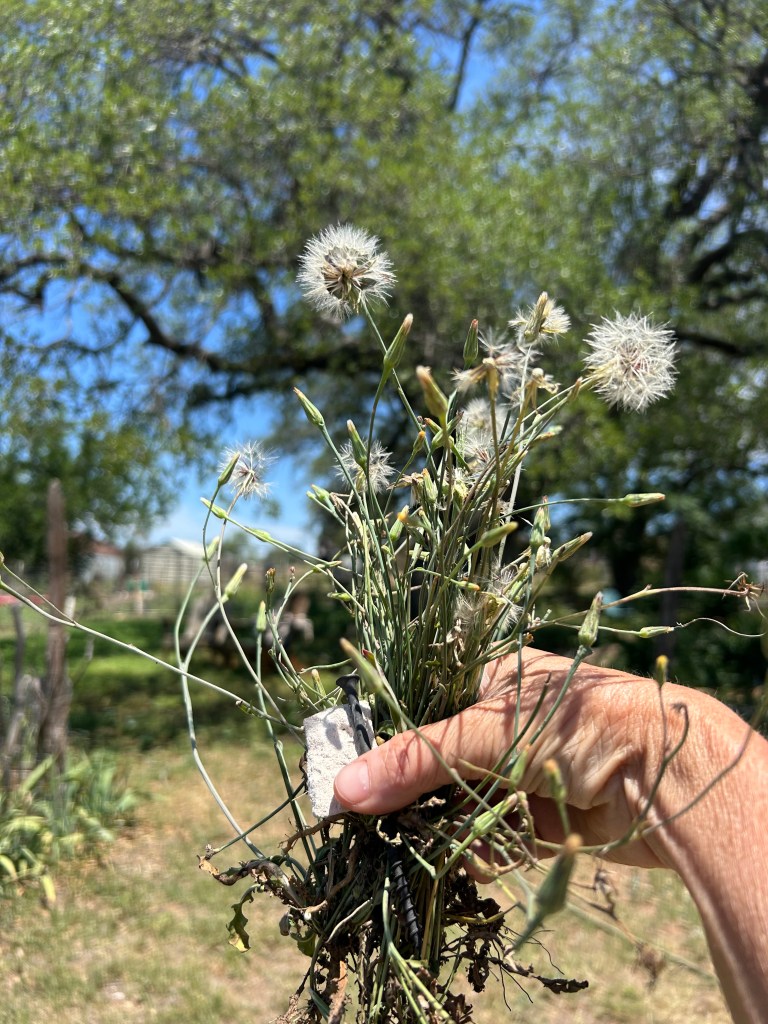
    I have spent many years redeeming my little “garden of Eden” at the studio. I have spent endless hours pulling out trash, rock, rubbish, thorns and stickers out of the earth. My “weed bouquet” in the picture above is a daily thing! Why? To protect the native plants. To bring beauty and hope to a lost world. To pull out the aggressive plants that choke out the flowers. I, the gardener, have chosen to redeem the land and not to take a blind eye to the weed aggressors. It is hard work. Every single day. I can’t just choose to “not see” the weeds, nor am I going to defend the weed and its’ growth.
    The gardener knows the heart of the plant by its fruit. Overtaking cherished flowers is simply not good fruit, no matter how you try to explain it away. Weeds are bullies and invaders of a peaceful garden. I work to redeem the land at all cost. I stand up for my flowers, in pursuit of an oasis where all the bees, butterflies, bulb, flowers and children can live in harmony.

    For too long, our world has called what is bad, good. And what is good, bad. The most aggressive of the weeds that I pull look lovely to behold….until they are full of stickers and thorns. They pretend to play nice until they overcome everything in their sight. Many volunteer weeds and native plants are perfectly fine. I love a garden of variety. I simply intentionally protect the lovely, the pure, the good fruit and the innocent.

    The recent acts of antisemitism reminds me of the small growth of weeds that take over a lovely space. It’s toxic and needs to be uprooted.
    There is never a reason for violence against children like Matilda.
    There is never a reason for antisemitism.

  • Saving the Gardens for Miss Margaret (part 3)

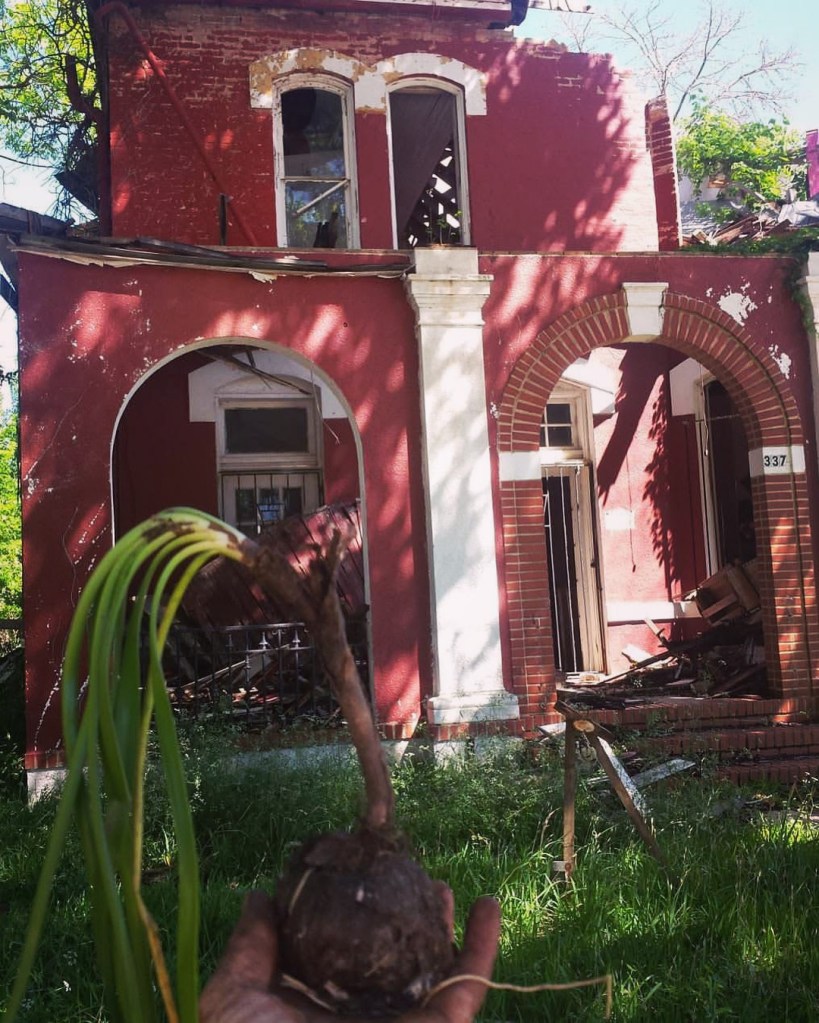
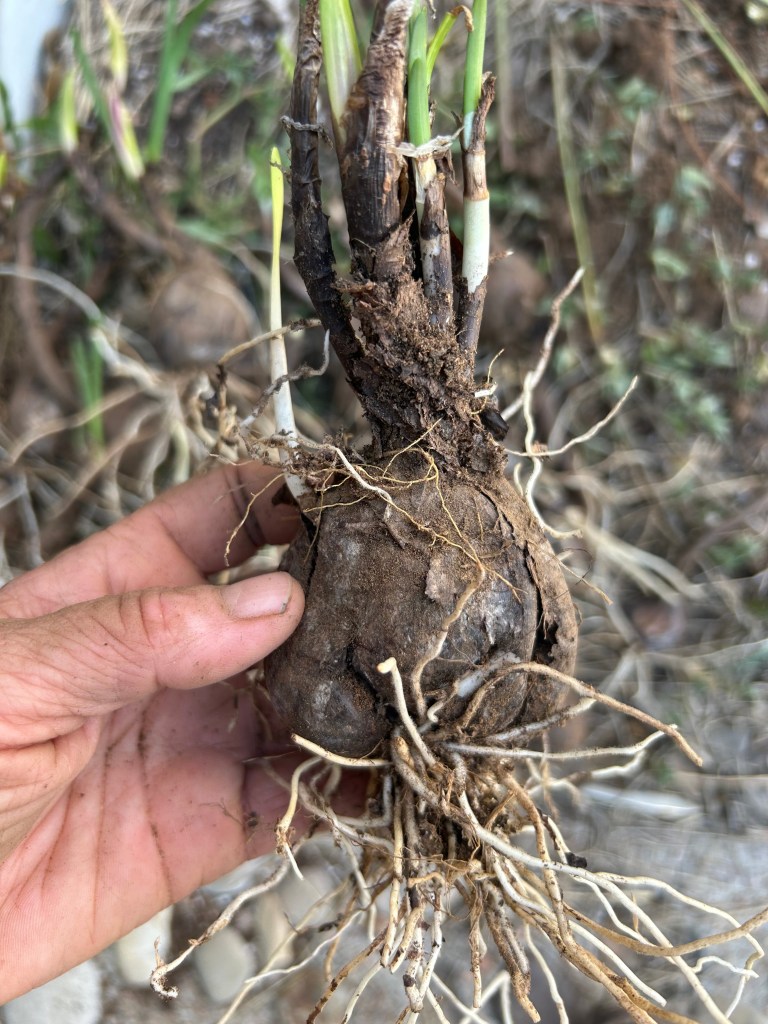
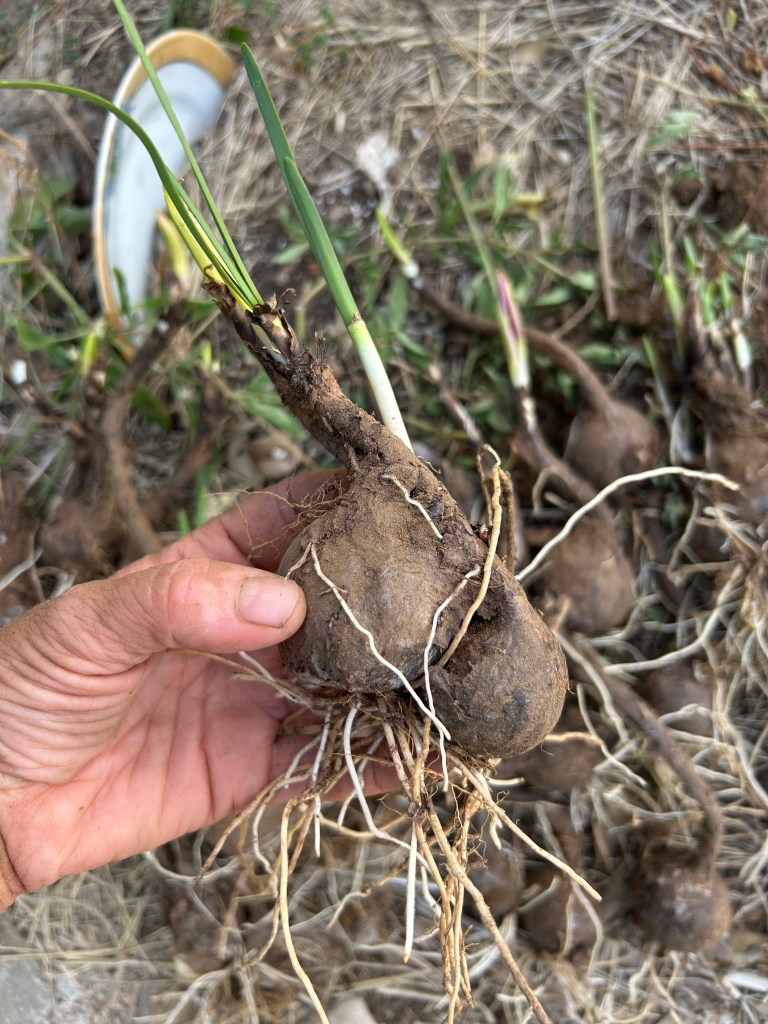
    There are a lot of meaningful endeavors in life, but saving Miss Margaret’s gardens is definitely one of my favorites. I’m honestly not sure why I’m so passionate about old flower bulbs, but the only way to explain it is that it’s in my blood. My Dad loved old architecture and old photos. As a child, my Dad instilled a profound understanding of preservation. A deep desire to save something that will be lost. When I see bulb foliage, there’s a sudden urgency to hop barbed wired fences with a shovel. My son even bought me a mini shovel to carry around in my car. I must admit, my little digging passion is just weird. I can’t explain it. I’m just compelled to hop that fence. I feel like an addict, desperately seeking my next fix of old rotting houses and “No Trespassing” signs. If I had a dollar for every time my family told me “We aren’t bailing you out of jail” I’d be rich. There are countless reasons why I shouldn’t do what I do, and only one reason why I should….the beautiful 100 year old Oxblood Lily bulb that I’m holding in my hand.

    She survived the Great Depression.

    She survived World War 1 and World War 2.

    She survived floods.

    She survived drought.

    She survived decades of love and care.

    She survived decades of neglect.

    She is a worthy preservation project indeed! It is hard to imagine the changing landscape that little bulb experienced over her last 100 plus years. Even if, for no other reason than antiquity, that flower bulb deserved to be saved.

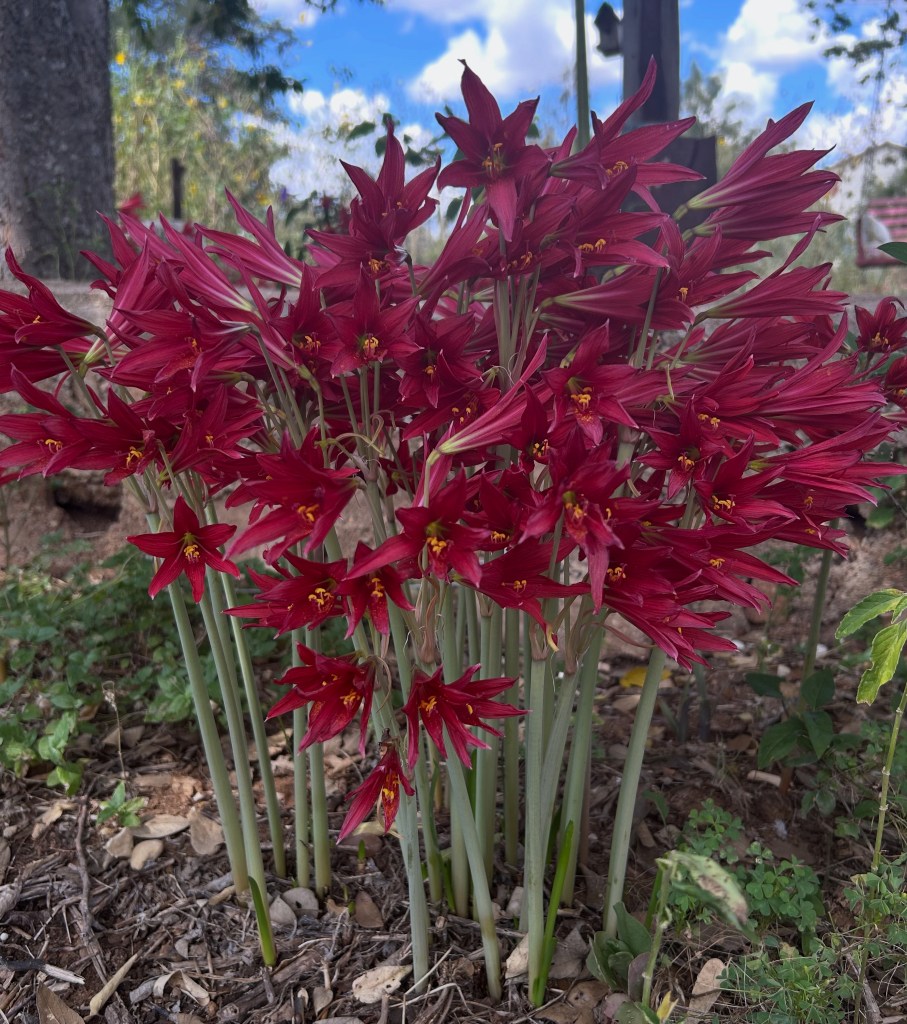
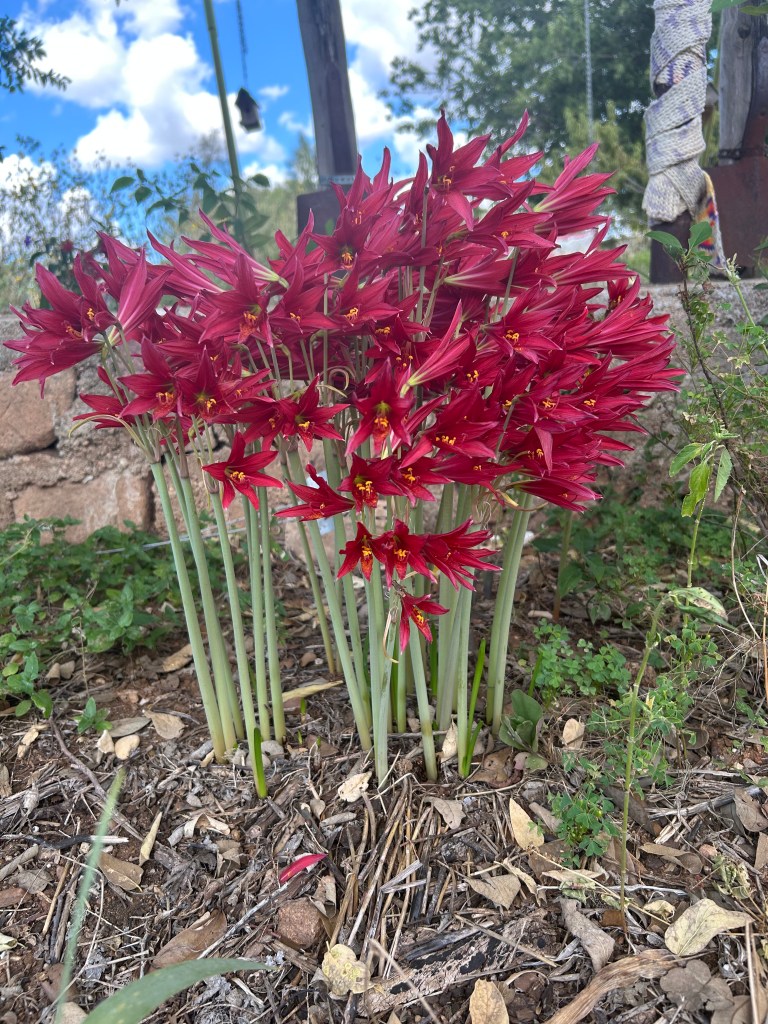
    Just look at Miss Margaret’s lovely Oxbloods! Happy, healthy and preserved for generations to come.

    What became of Miss Margaret’s gardens? Well, that is a sad story for another day. Most of the bulbs were salvaged, the historic house was demolished, and the land became a cemented parking lot. I can still see the stained glass and the curled wooden staircase in my mind.
    If you are able to come to the Agape Haus Studio open house on Dec 20th, rumor has it that Santa left Oxblood Lilies for gifts for everyone! 🙂

    Happy Gardening, my friends!
  • Monarch Migration 2025

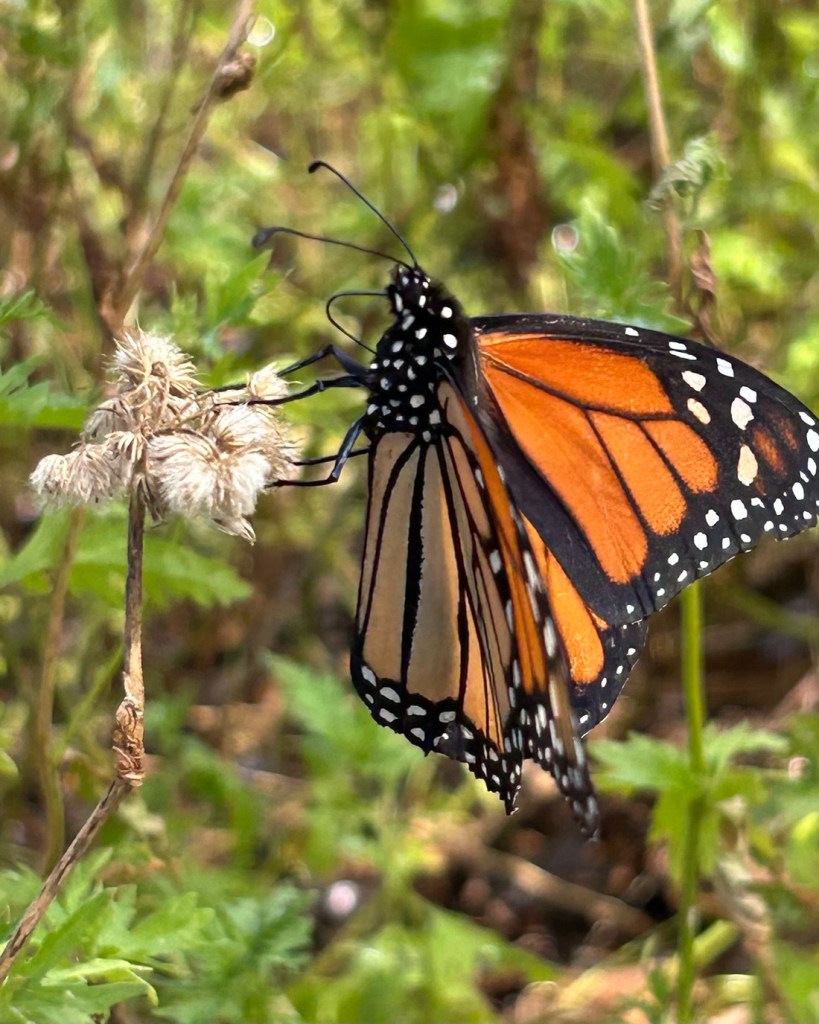
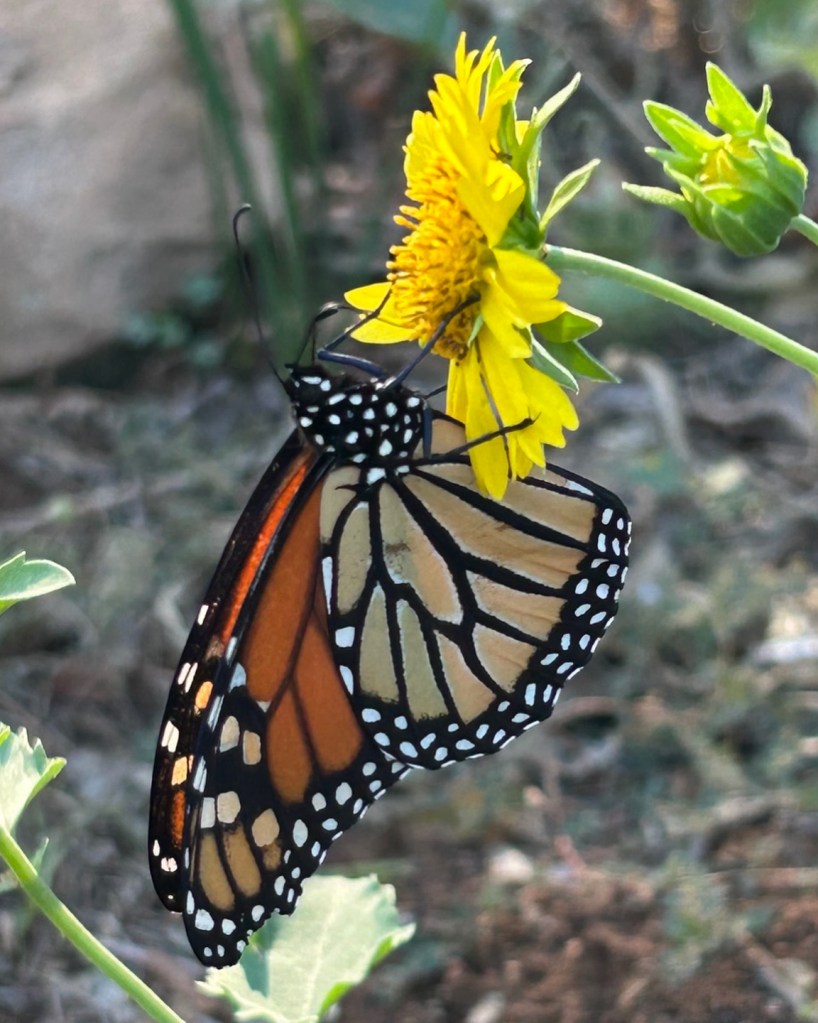
    This year’s butterfly migration was unlike any other I’ve ever seen. So many pictures from all over Texas showed an increase in Monarchs. I think what is most awe-inspiring is the same butterflies that were feasting on the Cow Pen Daisy in Texas were in Canada not too long ago. That, my friends, is simply miraculous.

    The Fall Monarch migration depends largely on pollinators. A Monarch Butterfly will fly thousands of miles south, in need of energy sources and rest along the way. After much curiosity and research, I discovered that Monarch butterflies actually remember food sources. Somehow, this understanding is passed down from generation to generation. Food sources become instilled in the pathways of Monarchs. Butterflies remember!

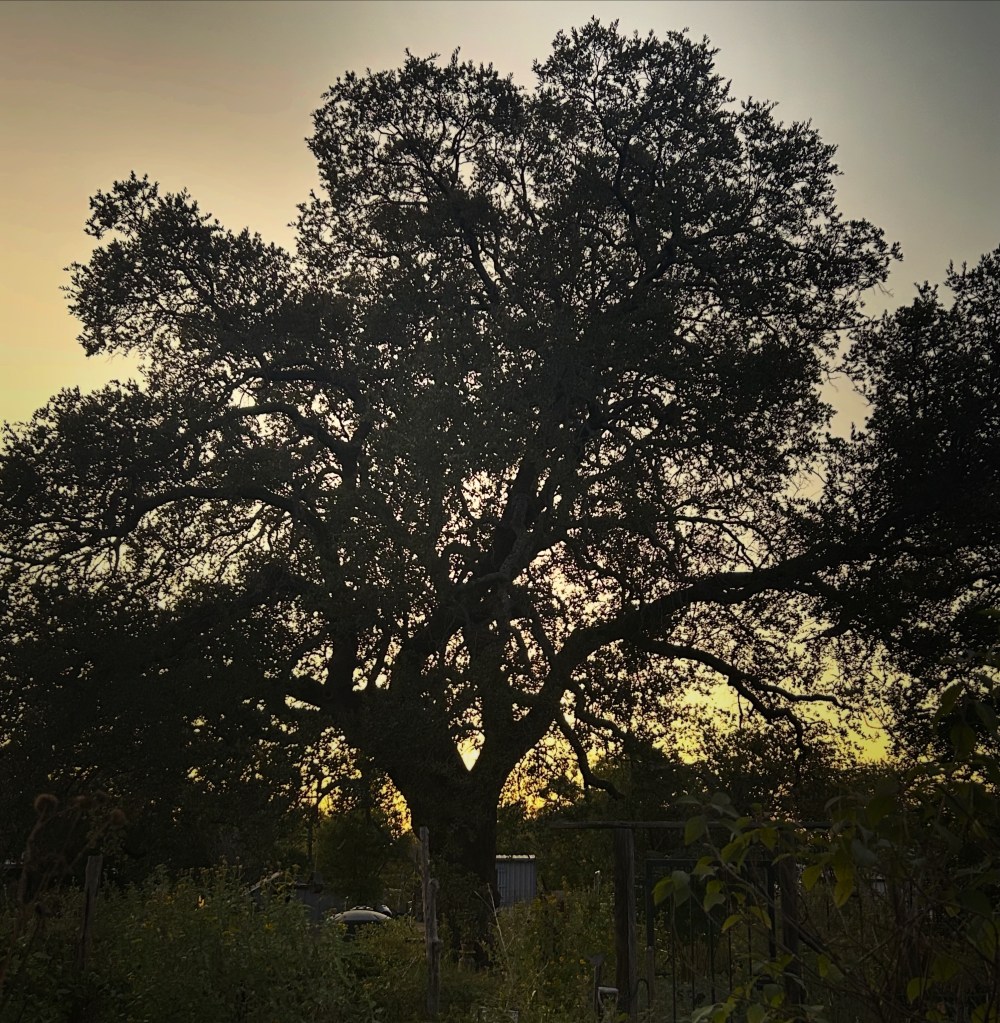
    Over the past decade, I have worked endlessly on restoring the studio grounds for a natural habitat. I have planted many different natives and other butterfly pollinators, but the Cow Pen Daisy was the game changer. Once I brought in Cow Pen Daisy, it was on! Each year, the Monarch numbers doubled. This year, I have a Monarch sanctuary. A place of recharge and rest. The Monarchs arrive on an invisible pathway in the sky, and rest in the shade of the old Live Oak Trees. They enjoy the food sources available, and sleep safe and sound on tree branches.

    It’s not too late to start planning for next year’s Monarch Migration. Let’s face it, gardeners rarely let idle time slip through their fingers. We are always thinking about the next great thing to add to our garden oasis…whether it be a project, a pond, a plant or a butterfly habitat. Remember, there’s always room in the garden for more beauty, bulbs and butterflies.

    “Go ahead and splurge. It’s the only way”

    Happy Gardening, my friends!
  • The Annual Oxblood Lily Seed Collecting Has Begun!

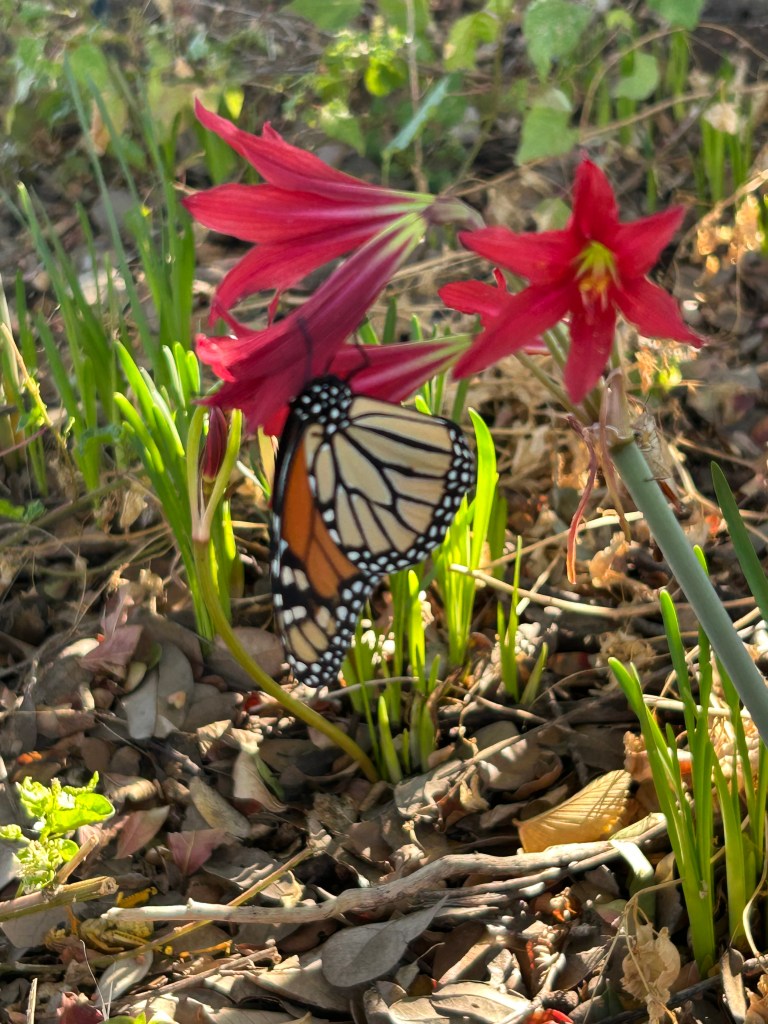
    Honestly, is there anything cuter than baby lilies? Well, maybe baby puppies or baby nieces. Complete cuteness overload!

    I, for some odd reason, feel a deep maternal love towards baby lilies. The art of seed collecting is a long, mundane process; but then again, so are diaper changes. We don’t throw the baby out with the bath water, so lily seed collecting can be a worthy endeavor. I have been collecting, germinating and growing baby lilies for years. I’ve had more failures than wins along the way, but I find that growing lilies from seed is a nice exercise in patience. If you so choose to take the challenge, here are a few simple steps to get started.

    First, you need some Oxblood Lilies that reseed. Not all my lilies reseed, and quite honestly, I’m not sure what the perfect conditions are. A lot has to do with the amount of water the bulbs receive during bloom time, and the weather conditions after the bloom. If temperatures get too hot too soon, the seed pods will dry up. Last year, the seed pods went into over-drive and I ended up with way too many baby bulbs. I mailed many packs of germinated seeds out to gardeners from all over who wanted to try this lovely seed-germinating process out. This season, the pods appeared overnight, and then we left for Colorado for our son’s wedding.

    For a brief moment, I thought about hiring a baby-sitter for the baby lilies. I realized that this sentiment was a bit too much…..So I decided to stay home from the wedding.

    Just kidding.

    Step two….Allow the seed pods to get nice and fat like the ones pictured above. The seeds on the inside will be thin and black, very similar to other rain lily seeds. Most rain lily seeds are ready to sprout almost immediately with water…hence the name “Rain Lily”.

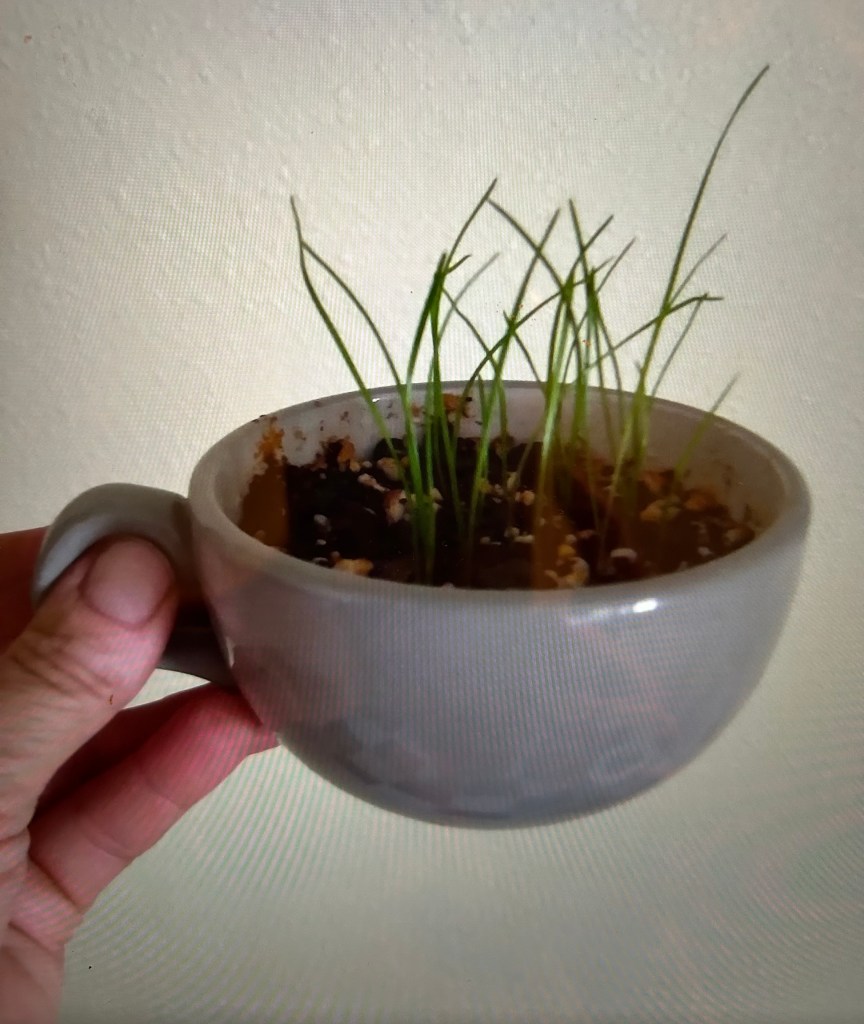
    Step three….Place the seeds in either a wet paper towel or little teacups. I go back and forth between which method I prefer. Since I am in Colorado, and my seed babies are in tea cups in Texas, I prefer the paper towel method. At the moment, I’m concerned everything will dry out and all lily babes will be dead. I can’t be worried about baby lilies though….It’s my son’s wedding after all.
    Priorities.

    Step four..Keep the babies fed. Whether you use the paper towel method or little tea cups, don’t let the seeds dry out. The seeds in a paper towel will get transferred to tea cups or pots within a few weeks. The tap roots for these little baby bulbs is longer than expected. They drink a lot of water. Keep the babies in dappled shade or inside in bright light. Again, don’t let them completely dry out. I’ve made this mistake and lost many, many baby bulbs this way. Always a sad time to lost something you’ve worked hard at.

    Step five….The fine art of patience.


    Wait. And wait. And wait. And wait. And waaaaaaaaaaaaaait…

    Voila! Oxblood Lilies are worth every moment of patience.

    if you would like some Oxblood Lilies, please let me know. I’m always happy to share. If you are a garden center, I’m happy to help you out with lilies as well. Come on by to the Agape Haus Studio & Garden! I love to grow things, but I’m not interested in selling. Not even a little bit. A little donation to keep the gardens composted is enough for me. I just want to share these heirloom bulbs with fellow gardeners.
    Email heirloombulbgirl@gmail.com for more info.

    Happy Gardening, my friends!
  • The Fall Heirloom Bulb Sale

    Just look at these lovelies….

    The first Saturday in October is the Llano Master Gardeners Native Plant Sale. I will be hanging out alongside the Llano Master Gardeners with four varieties of Heirloom Bulbs. If you’ve never been to the Native Plant Sale, this is the year to do it! The sale is 8-12 am, although all plants sell out quick.

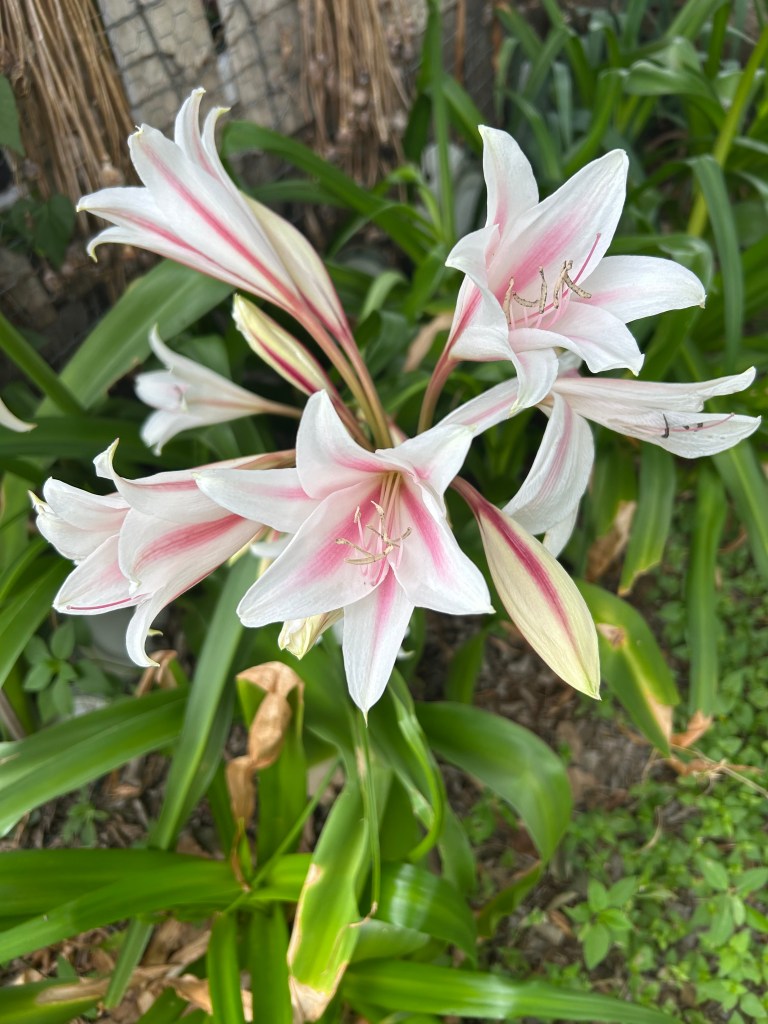
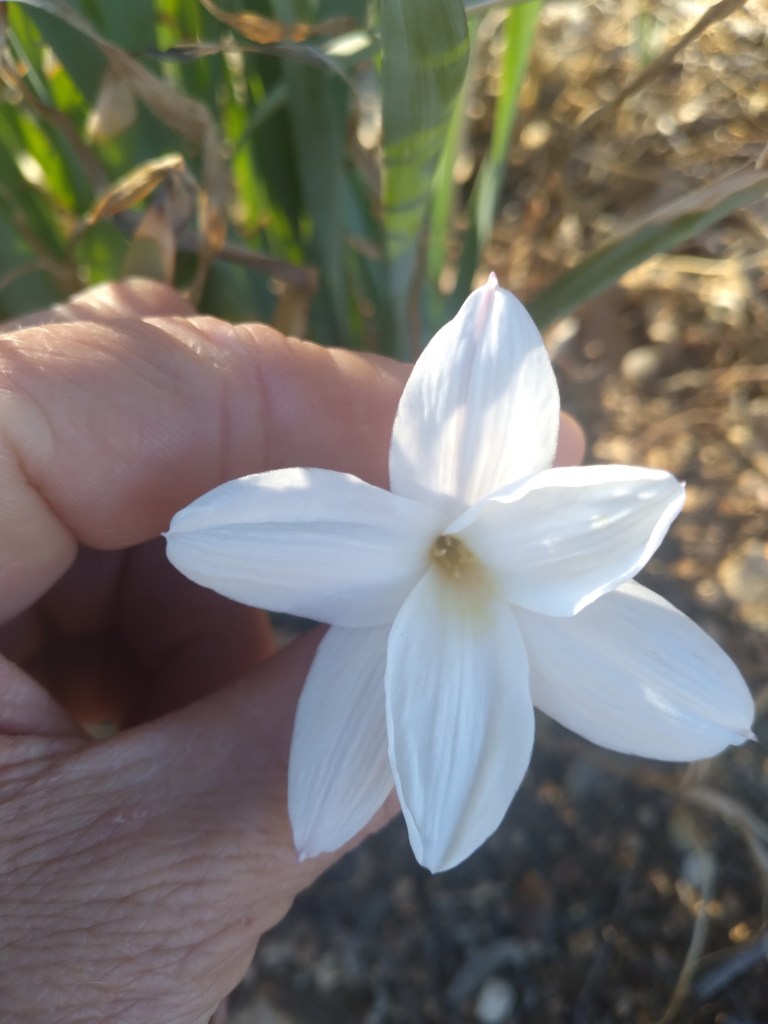
    Heirloom Bulbs available are Oxblood Lilies, Ellen Bosenquat Crinum, Milk and Wine Crinum and the large Prarie White Rain Lily. All bulbs have been collected by yours truly from old homesteads that were being torn down. All bulbs are drought hardy, tough southern bulbs that are an asset to any garden. Hope to see you at the Llano Plant Sale!

    Happy Gardening, my friends!
  • The Multigenerational Family of Bulbs

    Just look at that! What a sweet family photo!
    Scott Ogden, in his book Garden Bulbs for the South, describes the growth of Oxblood Lilies perfectly…
    “No other Southern bulb can match the fierce vigor, tenacity, and adaptability of the Oxblood Lily.”
    After 30 years of rescuing, growing and preserving Heirloom Oxblood Lilies from old German homesteads, I have to agree. There is an incredible family unit that is found in each clump of bulbs that has been lifted.

    Scott Ogden came for a visit after our house was destroyed in the flood in 2018. I was in the process of moving all the gardens and bulbs to Agape Haus Studio & Garden. Scott had heard that I had lost my cherished copy of his book, so he and a gardening friend came and brought me a signed copy! We walked through the gardens, and I showed them my restoration goals for the scrappy, rock-infested land. I also showed them the beautiful old Live Oak trees with sandy loam conditions that were PERFECT for bulbs. They both looked at me like I was crazy.

    “That’s a lot of work”

    After all, I was a full-time working musician with a family to tend to.

    “Well, I *did* tear down an old ratty house next door, in between violin lessons, just to save that tree. Crazy is as crazy does.” 🙂

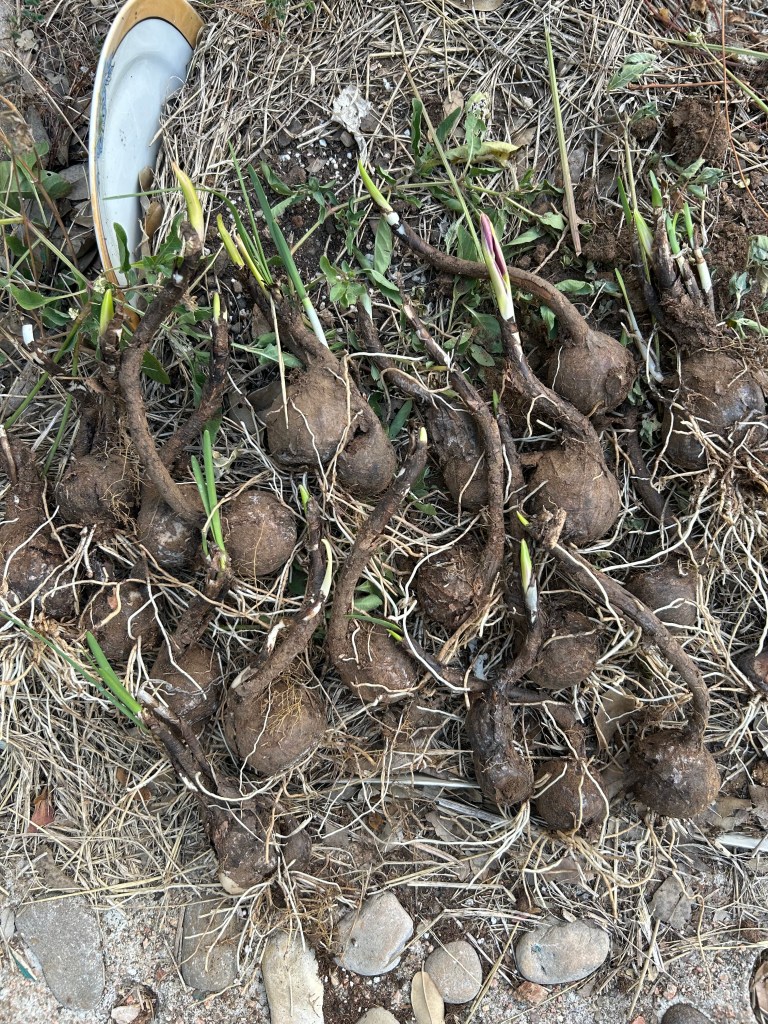
    I grabbed a shovel and dug up an enormous clump of old Oxbloods. This multigenerational family of Oxbloods had been featured in an article “Saving the Gardens for Miss Margaret”. Scott and Greg couldn’t believe how huge the clump was, and how many hundreds of bulbs were in that bulb family clump! They also couldn’t believe that I was “just giving” them these beloved bulbs. Yes, Oxbloods have a pretty high street value for fellow gardeners. In my mind, no one really “owns” their flowers…they are meant to be shared and enjoyed. We are all just care takers for the Lord’s creative beauty through nature and gardens.

    As Oxblood Lilies grow, the old bulbs get older and larger, babies bulbs grow and swirl around the parent bulb until they finally grow big enough to be on their own. These offshoots then split off and start their own little families. The baby bulbs grow into parent bulbs…hence, the multigenerational aspect of the Oxblood Lily.
    Yesterday I dug up a nice clump for donation. As I divided the bulbs, I counted 22 very large old Grandparent bulbs, not including the all the parent and littles.
    Old bulbs grow and multiply faster than smaller bulbs, but don’t worry, we all become our Grandparents’ someday! We just need to keep nurturing and watering during growing season.

    if you’d like to have some beautiful Oxblood Lilies added to your garden, simply email me, check out Etsy (it’s usually sold out tho) or come see me at the studio 1st and 3rd Fridays, by appointment.

    Happy Gardening, my friends!