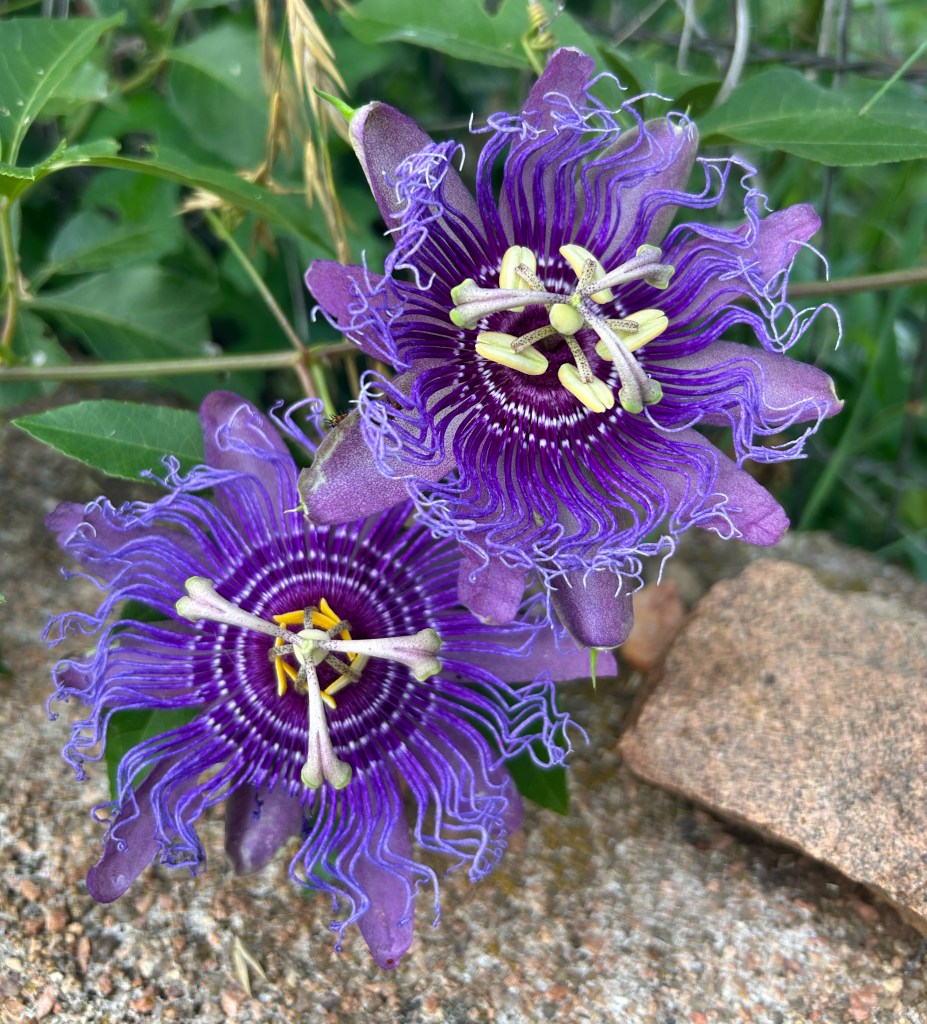
The word “passion” describes a love that is wild, deeply desired and completely unabashed. Passion loves deeply, regardless of the obstacles. Passion loves nonsensically, whether right or wrong. Passion is driven by feelings and emotions, not common sense. I, my friends, am passionate about growing the Passion Vine (Passiflora).
Yes, I am well aware of the obstacles I have growing a Passion Vine. First of all, if one looks up the growing attributes of the Passion Vine, the word “vigorous” is used again and again. Vigorous can’t even begin to touch the growing habits of this vine. In fact, this vine will quietly consume your house and garden, and completely destroy your neighbor’s septic system! A slight over exaggeration, but you get my drift. Passion Vine is passionate about growing, and I’m passionate about letting it grow. So why would anyone in their right mind choose to grow such a vigorous plant?!
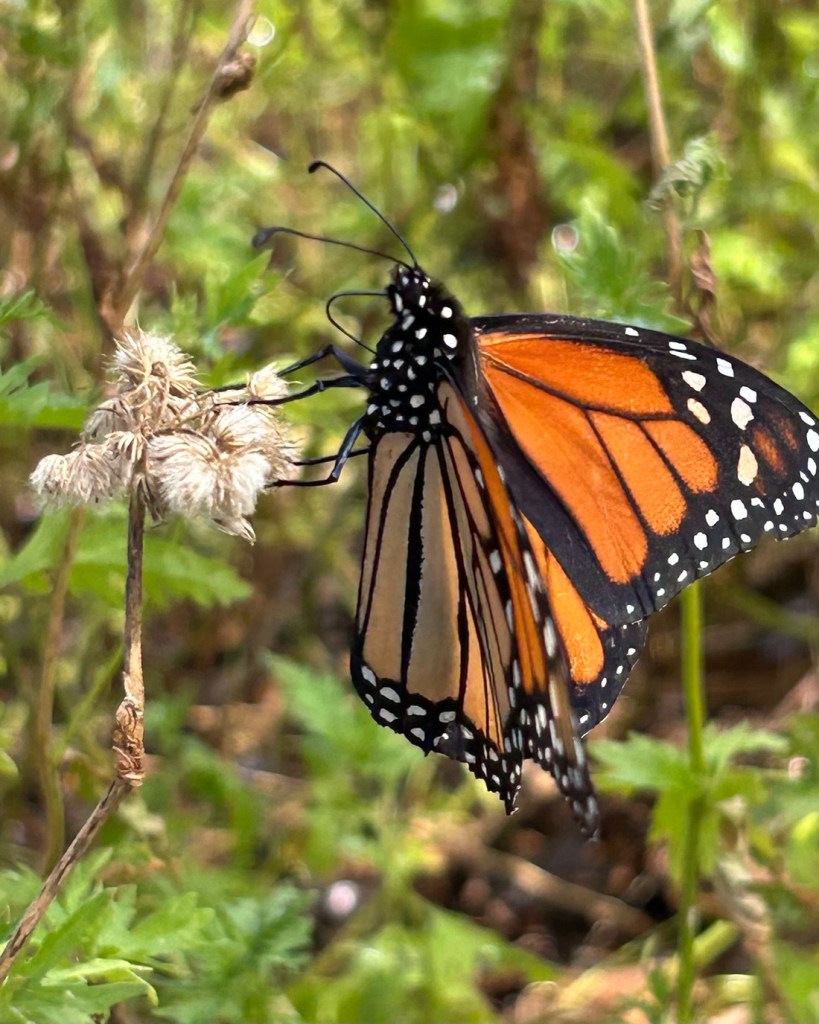
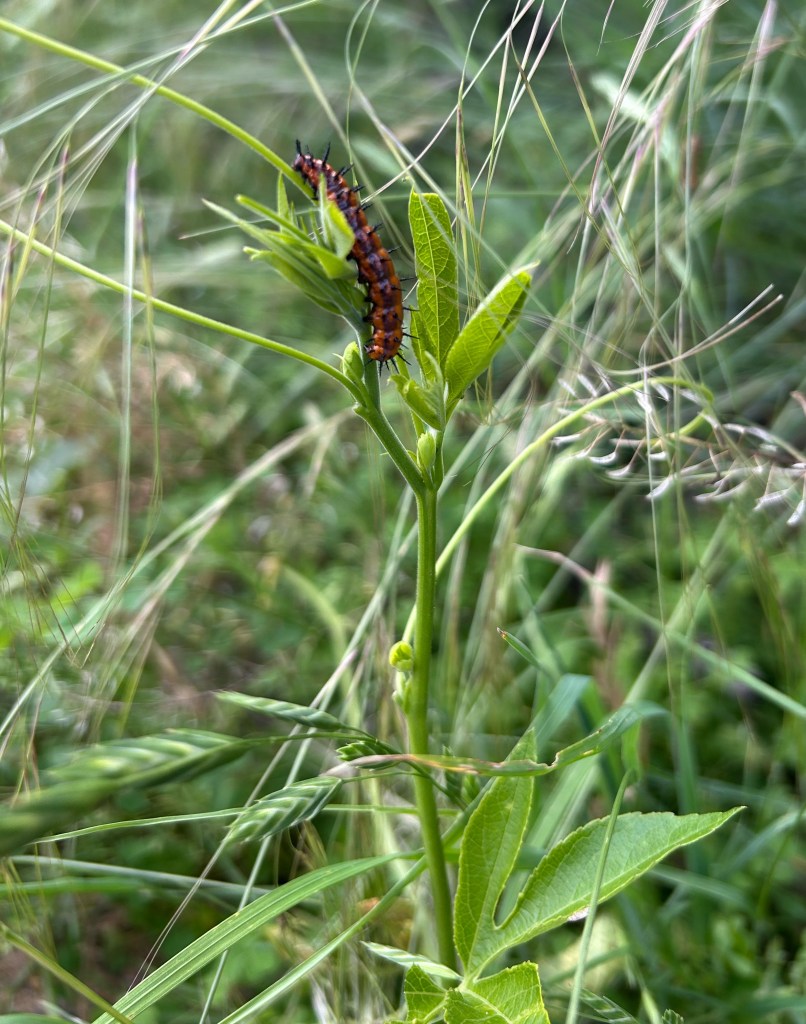
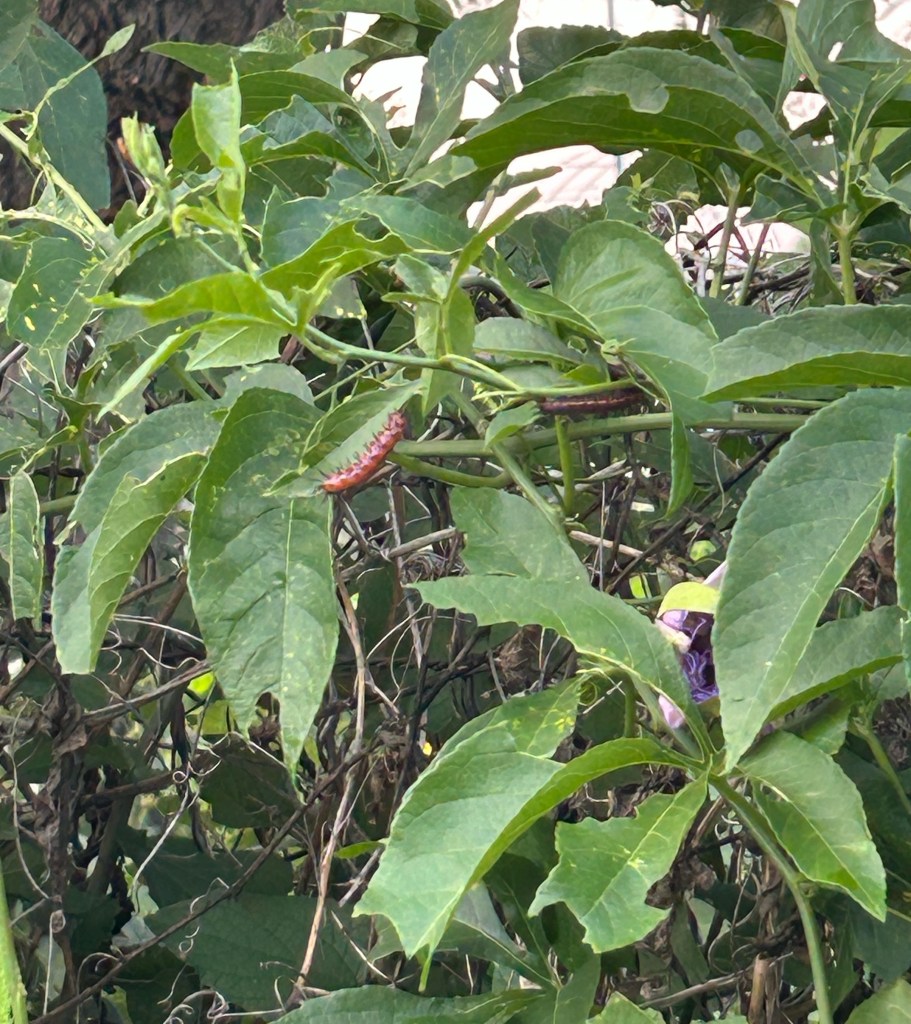
Just take one look at the sweet, little baby butterflies and the answer is simple…
Gardeners don’t live in their right mind. 🙂
I planted my first Passion Vine when my children were babies. My husband-extraordinaire built a rustic cedar fence in our front yard for the Passion Vine to grow upon. I had high hopes of creating a little butterfly habitat, right in the middle of Dallas. In a few short years, the vine had exploded, eaten the fence and butterflies were everywhere. The vine was a highlight among the neighborhood kids, who visited often to watch the life cycle of butterflies. After that magical experience, our family never went without a Passion Vine, or a half-created cedar fence.
There are over 500 varieties of Passion Vine, though I can barely keep up with one. I received my cutting from my Mother-in-Law. The native vine grew wild on their farm. Like all good natives, come feast or famine, they grow. And boy, does this vine grow! The deep purple flowers are enough to stop fellow gardeners in their tracks, but the real draw are the butterflies. Passion Vine is the host plant for many butterflies, including the Gulf Fritillary and Zebra Longwing. The vine is constantly being chewed down by babies, which is probably why it is so vigorous. I planted my Passion Vine 10 years ago, when I first bought the studio. I wanted to separate my property from the ratty, old drug house next door. The following year, I bought the ratty old drug house, tore down the ratty fence and the ratty house, and tried to move the vine.
I failed.
Oh, don’t get me wrong. I had no problem with the “tearing down a house and fence” thing, I just couldn’t relocate the vine. The Passion Vine liked her spot came back with a vengeance. Somehow, unbeknownst to me, I found the ability to rip apart an old house in between violin lessons, but couldn’t seem to move a plant from it’s original location. As in the famous movie line of Last of the Mohicans… “It stay as it lay.” So I left the vine and planted an entire garden around it. The area is now my beautiful butterfly sanctuary, all centered around a gorgeous vine that wouldn’t say no. To give my sweet little boundary-less vine some boundaries, I simply pull up the little offshoots. Voila! The Passion Vine is not too much to deal with, if you are passionate. The juice is well worth the squeeze.
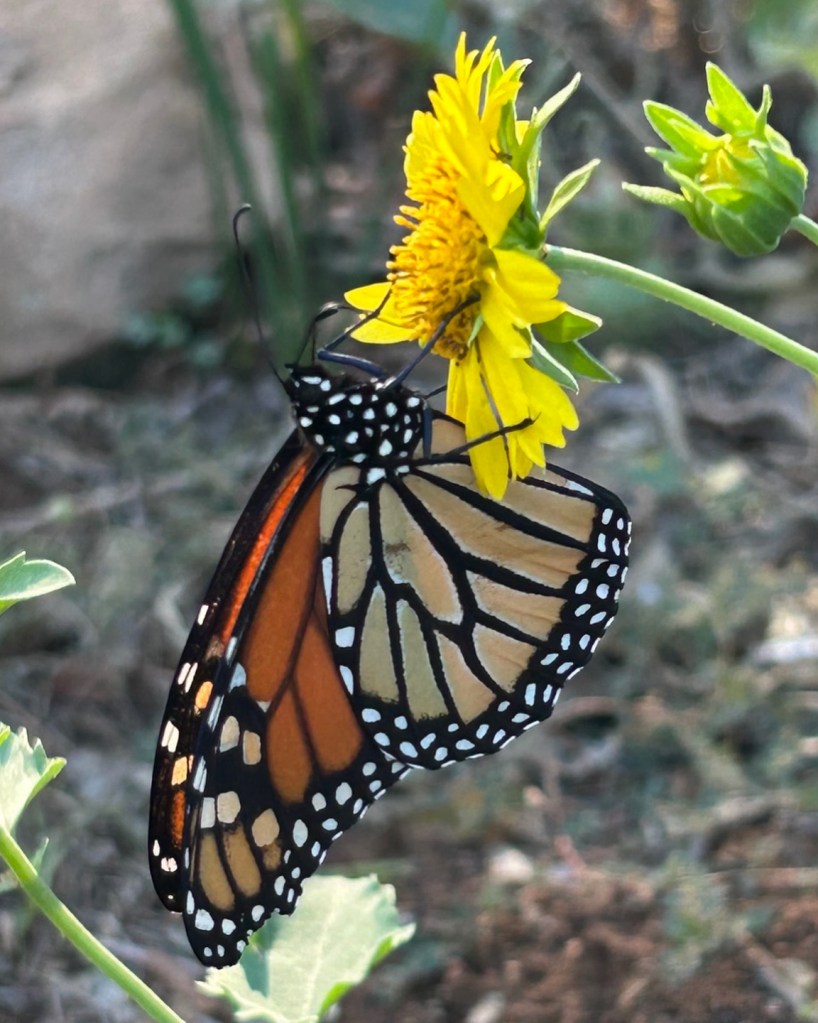
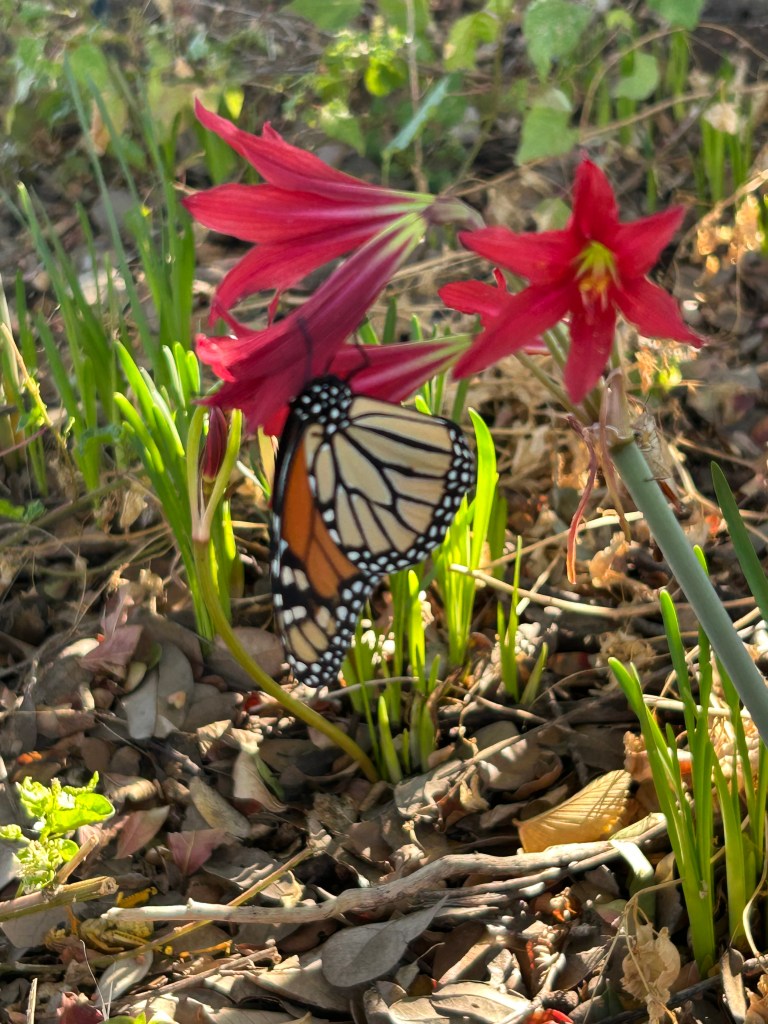
If you decide to take on the challenge of growing Passiflora, get ready….your passionate side will be ignited. Soon you too will be buying up property, tearing down houses and planting more gardens! Make sure to plant full circle butterfly pollinators. The butterflies seem to prefer Blue Mist and Cow Pen Daisy as their pollinator favorites. Butterflies will be floating happily throughout your garden. What can be better than that?
Passion is as passion does. Grow wild. Live unabashed and without abandon. Walk among the wild things and plant native flowers for your area. Al of us, in our own little patch of earth, can make a huge impact.
Happy Gardening, my friends!